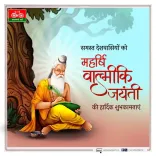
Khattar pays tribute to Maharshi Valmiki on Jayanti
Synopsis
Union Power Minister Manohar Lal Khattar marked Valmiki Jayanti 2026 with a tribute to Maharshi Valmiki, the Adi Kavi, honouring his role in spreading Lord Rama's ideals of truth, restraint, and duty through the Ramayana.
Key Takeaways
Union Power Minister Manohar Lal Khattar posted greetings on Valmiki Jayanti, 26 October 2026 .
Maharshi Valmiki is revered as the Adi Kavi (first poet) and composer of the original Sanskrit Ramayana .
Khattar credited Valmiki's ideals with inspiring values of truth, restraint, discipline, and devotion to duty .
Valmiki Jayanti is observed on the full moon of the month of Ashwin across India.
Senior BJP leaders routinely mark such occasions, reflecting the party's pattern of referencing classical texts in public communications.
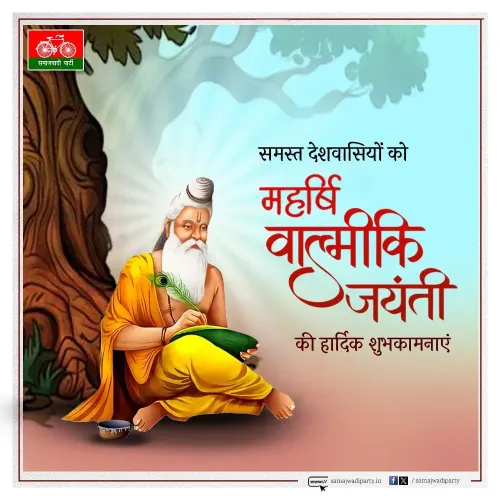
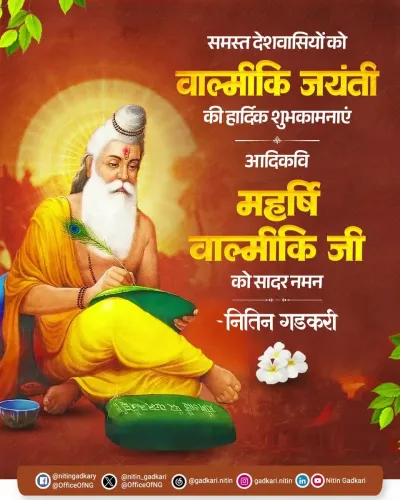
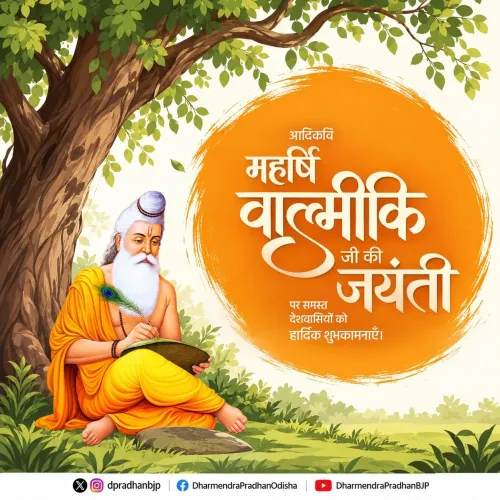
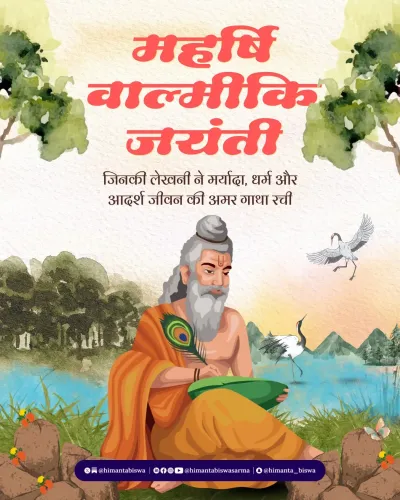
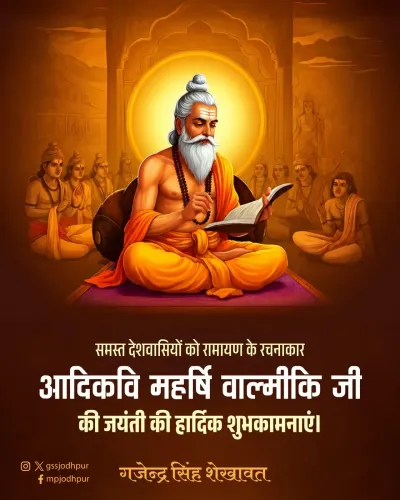
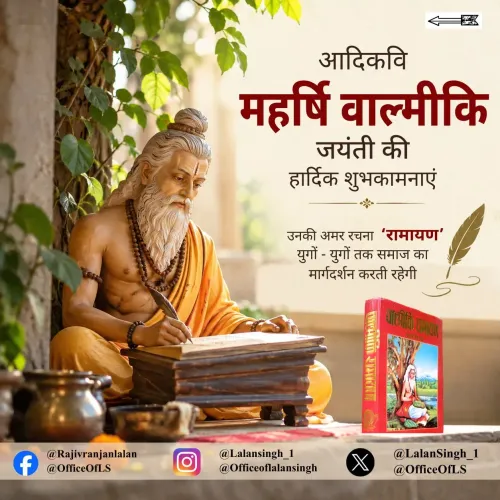
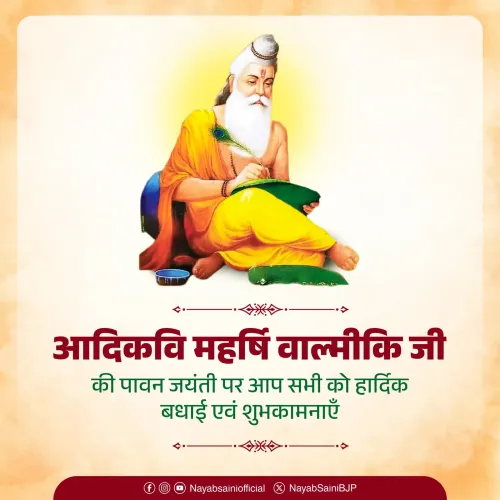
On the occasion of Valmiki Jayanti 2026, Union Power Minister Manohar Lal Khattar offered reverent greetings to the ancient sage regarded as the author of the Ramayana — the epic that first gave the story of Lord Rama its immortal literary form.
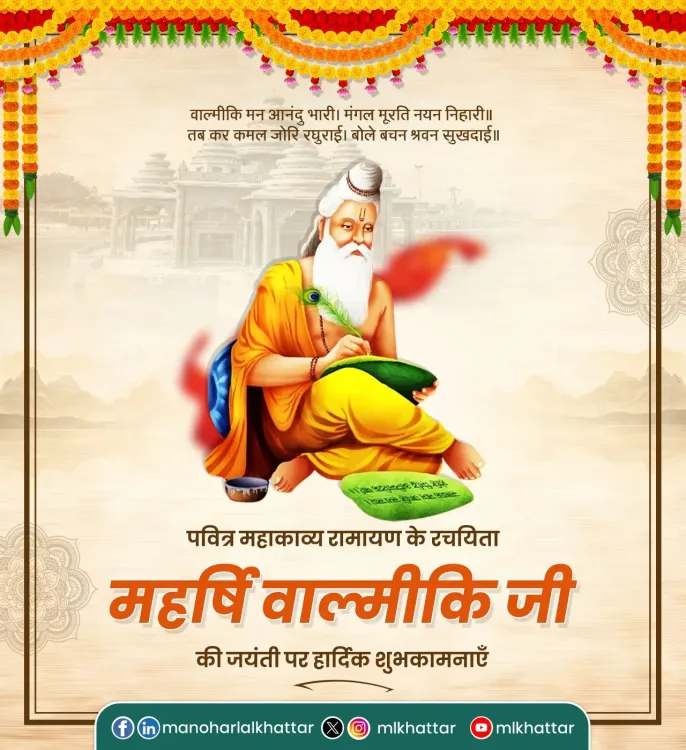
In his post on Monday, 26 October 2026, Khattar paid tribute to Maharshi Valmiki, addressing him as Adi Kavi — the 'first poet' — and saluting his role in carrying the ideals of Lord Rama to every household through the sacred epic 'Ramayana'. 'The sacred thoughts of Maharshi Valmiki have always inspired us to walk the path of truth, restraint, discipline, and devotion to duty,' Khattar wrote, adding that 'his ideals will forever guide society toward virtue, morality, and dedication to human values.'
The sage who gave Rama his first voice
Maharshi Valmiki is venerated across India as the composer of the original Sanskrit Ramayana, one of the two great epics that form the bedrock of Indian civilisation. Scholars place the text among the oldest surviving works of Indian literature, and Valmiki's title Adi Kavi — meaning the primordial or first poet — reflects the foundational status of both the man and his composition. Valmiki Jayanti, observed on the full moon day of the month of Ashwin, marks his birth anniversary and is celebrated with processions, recitations, and cultural programmes across the country.
A pattern of classical reverence in BJP political messaging
Khattar's tribute follows a well-established pattern among senior BJP leaders of publicly marking Hindu festival days and the birth anniversaries of classical sages. Such observances — often accompanied by references to canonical texts like the Ramayana or the Mahabharata — serve as a consistent thread in the party's broader cultural and civilisational messaging. As a former Chief Minister of Haryana and now a Union Cabinet minister, Khattar carries weight in communities that hold Valmiki Jayanti as a significant social and religious occasion.
Across India, state governments and community organisations mark the day with public events honouring Valmiki's legacy — a legacy that, as Khattar's post underscores, is seen as inseparable from the values of satya (truth), sanyam (restraint), and kartavyanishtha (devotion to duty).
Two-and-a-half millennia after the sage sat in meditation and composed his first shloka, his name still commands tributes from the highest offices of the Indian state. That alone says something about the staying power of the Adi Kavi's words.
Point of View
Not merely a religious observance. For a minister who also holds the Housing and Urban Affairs portfolio — a role with direct relevance to communities named after Valmiki — such messaging carries social-outreach weight beyond mere symbolism.
NationPress
26 Oct 2026
Frequently Asked Questions
When is Valmiki Jayanti 2026?
Valmiki Jayanti in 2026 falls on 26 October , observed on the full moon day of the Hindu month of Ashwin.
Why is Maharshi Valmiki called Adi Kavi?
Maharshi Valmiki is called Adi Kavi , meaning 'first poet,' because he is regarded as the composer of the original Sanskrit Ramayana , one of the oldest works of Indian literature.
What did Manohar Lal Khattar say on Valmiki Jayanti?
Khattar offered greetings and stated that Maharshi Valmiki's sacred thoughts inspire people to follow the path of truth, restraint, discipline, and devotion to duty.
What is the significance of Valmiki Jayanti in India?
Valmiki Jayanti marks the birth anniversary of Maharshi Valmiki , the author of the Ramayana, and is celebrated with processions, recitations, and cultural programmes across India, particularly in communities that hold him as a revered figure.
Does Manohar Lal Khattar regularly mark Hindu festival days?
Yes, as a senior BJP leader and Union Cabinet minister, Khattar regularly posts greetings on Hindu festival days and sage birth anniversaries, consistent with a broader party pattern of referencing classical heritage in public messaging.