Kishan Reddy: DMF Crosses ₹1.25 Lakh Crore in Mining Welfare
Synopsis
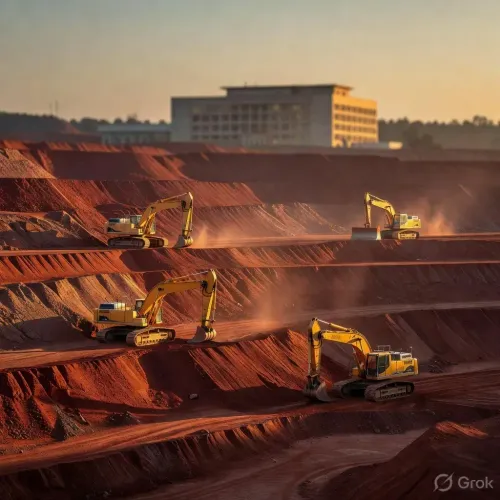
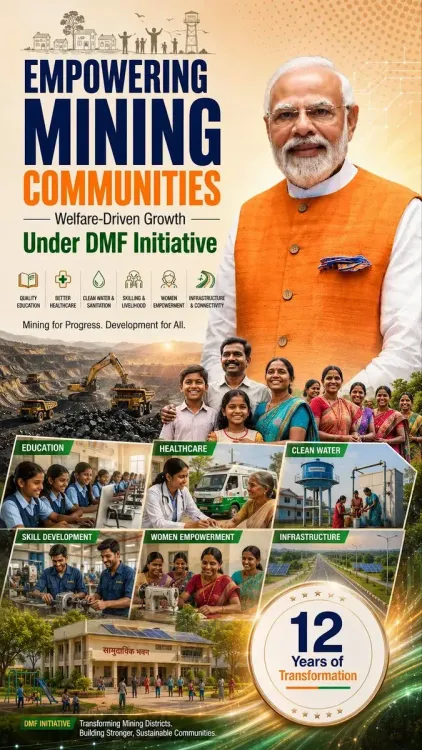
Union Coal and Mines Minister G. Kishan Reddy says the District Mineral Foundation has collected over ₹1.25 lakh crore and sanctioned more than ₹1 lakh crore for over 2.73 lakh welfare projects in healthcare, education, and drinking water across mining-affected regions over 12 years of the Modi government.
Key Takeaways
The District Mineral Foundation (DMF) has collected over ₹1.25 lakh crore since its creation under the MMDR Amendment Act, 2015 .
More than ₹1 lakh crore has been sanctioned for development projects in mining-affected districts.
Over 2.73 lakh projects have been supported across healthcare, education, drinking water, and community welfare.
The Pradhan Mantri Khanij Kshetra Kalyan Yojana (PMKKKY) , launched in September 2015 , guides DMF fund deployment priorities.
States such as Odisha , Jharkhand , and Chhattisgarh account for the largest share of DMF collections due to their mining activity.
CAG performance audits of DMF utilisation are expected during the 2026-27 legislative sessions.
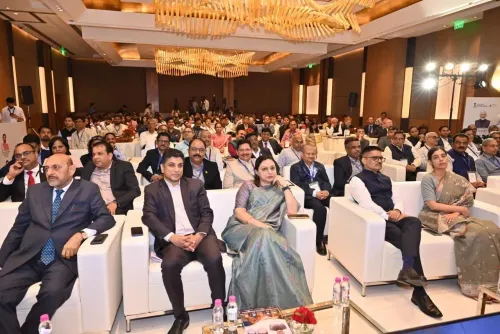
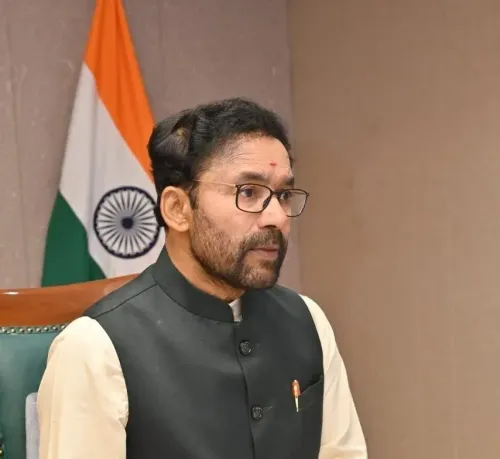
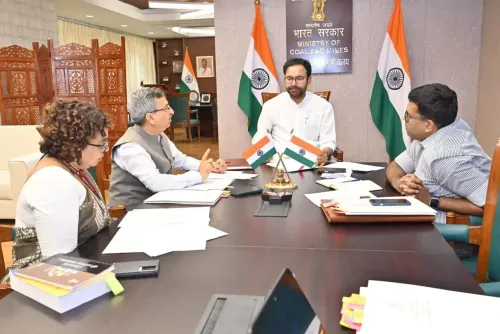
Union Coal and Mines Minister G. Kishan Reddy on Wednesday, June 10, 2026, highlighted that the District Mineral Foundation (DMF) has collected over ₹1.25 lakh crore and sanctioned more than ₹1 lakh crore for development across mining-affected regions under the Narendra Modi government over the past 12 years.
Context
In his post on X, Kishan Reddy stated that the Modi government has ensured that 'the benefits of mineral development reach people living in mining-affected regions.' He cited 2.73 lakh projects supported across healthcare, education, drinking water, and community welfare as evidence of the fund's reach. The minister attributed the outcomes to 'transparent implementation and targeted interventions' that are 'transforming resource-rich regions into engines of inclusive growth and progress.'
Policy Backdrop
The District Mineral Foundation is a statutory trust mechanism created under the Mines and Minerals (Development and Regulation) Amendment Act, 2015, which made contributions by mining lease holders to district-level welfare funds mandatory. Alongside it, the Pradhan Mantri Khanij Kshetra Kalyan Yojana (PMKKKY), launched in September 2015, provides the operational framework guiding how DMF funds are deployed, with priority given to high-impact social infrastructure sectors. The National Mineral Policy 2019 further reinforced the principle of inclusive growth and local community participation in mining governance.
The DMF model represents a structural shift in mineral governance since 2014, routing a portion of natural resource revenues directly into district-level social spending rather than into general state budgets. Mineral-rich states such as Odisha, Jharkhand, and Chhattisgarh have historically accounted for the largest share of DMF collections, given the concentration of active mining leases in those regions.
Stakeholders and Impact
The primary beneficiaries of DMF spending are communities living in and around active mining zones — populations that have historically borne the environmental and social costs of extraction with limited direct benefit from royalty revenues. District administrations act as implementing agencies, while mineral lease holders are the mandatory contributors. The Ministry of Mines, which Kishan Reddy oversees alongside the Coal portfolio, coordinates DMF guidelines and monitors utilisation across states.
The scale cited — over 2.73 lakh projects sanctioned — spans a wide range of interventions, from primary health centres and school infrastructure to clean drinking water supply and community halls. The spread across sectors reflects the PMKKKY mandate that prioritises basic human development indicators in regions where mining activity is concentrated.
What's Next
State-level DMF annual reports and performance audits by the Comptroller and Auditor General (CAG) are expected to be tabled during the 2026-27 legislative sessions, which will provide independent assessments of fund utilisation quality and project completion rates. Any proposed amendments to MMDR rules on contribution rates or eligible project categories will be closely watched by district administrations and mining-sector stakeholders alike. The government's continued emphasis on DMF milestones signals that the fund's performance will remain a key metric in the political narrative around mineral-sector governance ahead of state elections in several mining-belt constituencies.
Point of View
Anchoring 12 years of mining-sector governance to a tangible welfare number ahead of what are likely to be scrutiny-heavy CAG audits in 2026-27. The DMF figures serve a dual political purpose: defending the Modi government's record on resource nationalism while countering long-standing criticism that mineral-rich but economically lagging districts see little return from extraction. By foregrounding transparency and targeted intervention, the minister is also pre-empting opposition narratives around fund under-utilisation — a recurring charge in Jharkhand and Chhattisgarh politics. The post fits a broader BJP pattern of converting statutory welfare mechanisms into electoral proof-points in mineral-belt constituencies.
NationPress
26 Oct 2026
Frequently Asked Questions
What is the District Mineral Foundation (DMF)?
The District Mineral Foundation is a statutory trust set up in each mining district under the MMDR Amendment Act, 2015. Mining lease holders are required to contribute a percentage of their royalty payments to the DMF, which then funds welfare projects in healthcare, education, drinking water, and community infrastructure for communities affected by mining.
How much has been collected under DMF so far?
According to Union Mines Minister G. Kishan Reddy, DMF has collected over ₹1.25 lakh crore since its inception, with more than ₹1 lakh crore sanctioned for development projects across mining-affected regions.
What is PMKKKY and how does it relate to DMF?
The Pradhan Mantri Khanij Kshetra Kalyan Yojana (PMKKKY), launched in September 2015, provides the operational guidelines for how DMF funds are to be spent, prioritising high-impact sectors such as health, education, and drinking water in mining-affected areas.
Which states have the highest DMF collections in India?
Mineral-rich states such as Odisha, Jharkhand, and Chhattisgarh account for the largest share of DMF collections in India due to the concentration of active mining leases and higher royalty volumes in those states.
Will DMF fund utilisation be audited?
Yes. CAG performance audits of DMF utilisation are expected to be tabled during the 2026-27 legislative sessions, which will provide an independent assessment of project completion rates and the quality of spending across districts.