Kishan Reddy Hails Centre's Nod for NH Widening in Telangana
Synopsis
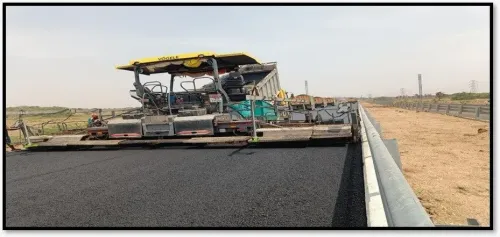
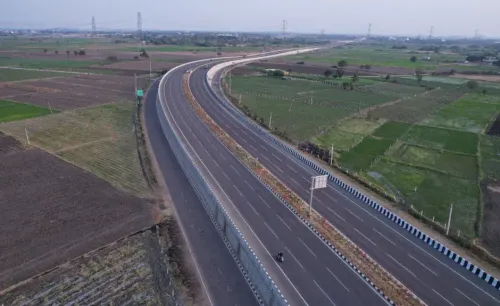
Union Coal and Mines Minister G. Kishan Reddy has thanked PM Narendra Modi and Union Minister Nitin Gadkari for approving the widening of crucial National Highway stretches in Telangana, calling it a boost to North Telangana connectivity and a step towards Viksit Telangana within the larger Viksit Bharat vision.
Key Takeaways
Kishan Reddy thanked PM Modi and Nitin Gadkari for clearing NH widening in Telangana.
He said the move will strengthen economic corridors and benefit North Telangana citizens.
Decision aligns with the Bharatmala Pariyojana launched in 2015, with Phase-I approved in 2017 for 83,677 km.
India's NH network has grown from about 91,000 km in 2014 to over 1.46 lakh km.
Reddy positioned the project within the Viksit Telangana and Viksit Bharat narrative.
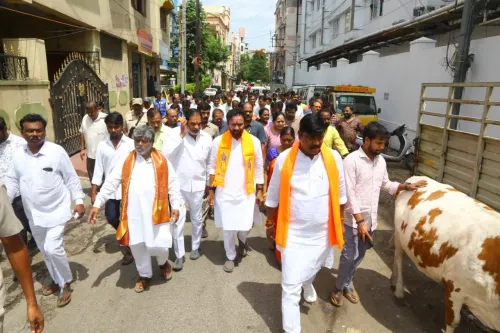
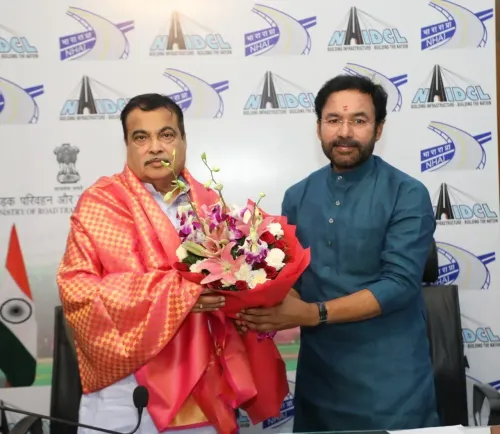
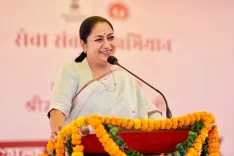
Union Coal and Mines Minister G. Kishan Reddy on Wednesday thanked Prime Minister Narendra Modi and Union Minister for Road Transport and Highways Nitin Gadkari for clearing the widening of key National Highway stretches in Telangana. The senior BJP leader, who also serves as the party's Telangana state president, framed the move as a boost to connectivity across North Telangana and to the broader Viksit Bharat vision.
In his post on X, the Minister called it a 'visionary investment in infrastructure' that 'will enhance regional connectivity, strengthen economic corridors and improve the lives of citizens across North Telangana.' He described the approval as 'yet another significant step towards building a Viksit Telangana and contributing to the vision of Viksit Bharat.'
Context
The announcement comes amid sustained central focus on expanding the national highway grid in Telangana, a state carved out in 2014 that has been a recurring beneficiary of corridor upgrades. North Telangana districts, in particular, have long sought four- and six-lane upgrades to link agrarian belts and emerging industrial clusters with the wider national network.
Mr. Reddy, who represents Secunderabad in the Lok Sabha, has consistently used his platform to spotlight central allocations to the state. His thanks to Mr. Modi and Mr. Gadkari positions the latest clearance within that ongoing political messaging.
Policy backdrop
The widening decision sits within the architecture of the Bharatmala Pariyojana, the Union government's flagship highways programme launched in 2015 and whose first phase was approved in 2017 for the development of 83,677 km of roads, including economic corridors, inter-corridor routes and border connectivity links.
Several stretches in Telangana were folded into Bharatmala Phase-I for upgradation to four- or six-lane standards. The Ministry of Road Transport and Highways has, over successive years, sanctioned additional projects in the state, with a stated emphasis on integrating Hyderabad and the northern districts with industrial clusters and ports along the eastern seaboard.
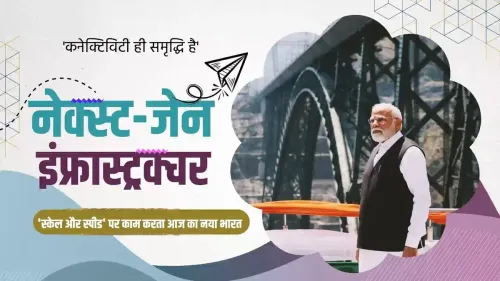
At the national level, the highway network has expanded from roughly 91,000 km in 2014 to over 1.46 lakh km, a figure the government regularly cites as evidence of the pace of infrastructure build-out.
Stakeholders and impact
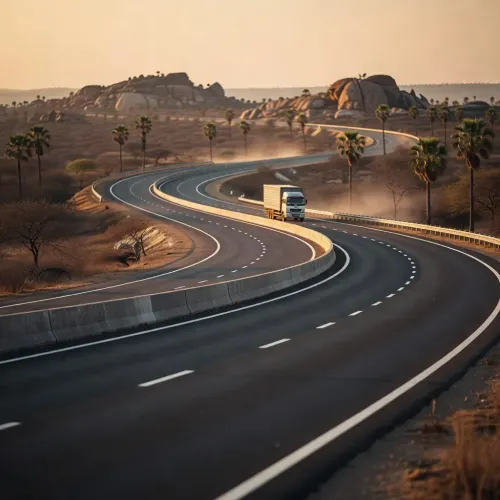
The most direct beneficiaries of widened NH stretches are residents, traders and transporters in North Telangana, who currently rely on saturated two-lane roads for inter-district movement and access to Hyderabad. Faster freight movement is expected to reduce logistics costs for agricultural produce, cement and granite — sectors concentrated in the region.
For the BJP, the messaging dovetails with its strategy of projecting the Centre as the primary driver of development in Telangana, where the party has been working to consolidate its post-2023 footprint. Mr. Reddy's framing of the decision as part of a 'Viksit Telangana' agenda mirrors the wider Viksit Bharat 2047 narrative that links physical infrastructure to economic and electoral pitches.
What's next
Attention will now turn to the formal notification of the sanctioned stretches, detailed project reports and the tendering timeline by the National Highways Authority of India. Subsequent allocations under Bharatmala Phase-II and the next Union Budget will indicate whether the pace of approvals for Telangana is sustained.
If executed on schedule, the widened corridors could reshape freight economics across North Telangana and tighten the state's integration with national economic arteries — an outcome that will be watched closely by both industry and the political opposition.
Point of View
Mr. Reddy reinforces the party's narrative that the Centre — not the state government — is the principal engine of Telangana's development. The explicit yoking of 'Viksit Telangana' to 'Viksit Bharat' signals an electoral framework the BJP intends to deploy as it builds towards future state contests. Watch for similar announcements to be sequenced through Telangana's central ministers as Bharatmala Phase-II takes shape.
NationPress
24 Sept 2026
Frequently Asked Questions
What did Kishan Reddy announce about Telangana highways?
He thanked PM Narendra Modi and Union Minister Nitin Gadkari for the decision to widen crucial National Highway stretches in Telangana, particularly benefiting North Telangana. He did not specify individual stretches or sanction amounts in his post.
What is the Bharatmala Pariyojana?
Bharatmala Pariyojana is the Union government's flagship highways programme launched in 2015. Its Phase-I, approved in 2017, covers development of 83,677 km of roads including economic corridors, inter-corridor routes and border connectivity links.
Why is North Telangana the focus of the highway widening?
North Telangana districts have long relied on saturated two-lane roads for inter-district movement and access to Hyderabad. Widening key NH stretches is expected to ease freight movement for agriculture, cement and granite industries concentrated in the region.
How much has India's national highway network grown since 2014?
India's national highway network has expanded from roughly 91,000 km in 2014 to over 1.46 lakh km. The Union government frequently cites this growth as a marker of infrastructure expansion.
What portfolios does G. Kishan Reddy hold?
G. Kishan Reddy is the Union Minister of Coal and Mines in the Modi government. He also serves as the BJP's Telangana state president and represents Secunderabad in the Lok Sabha.