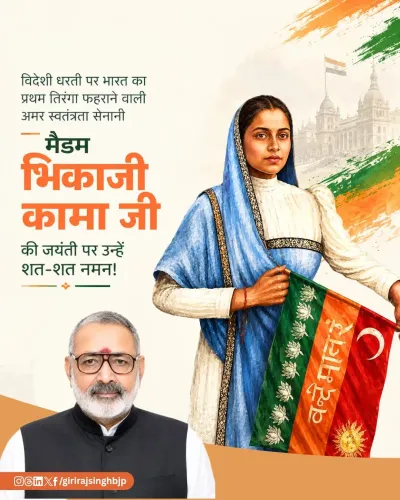
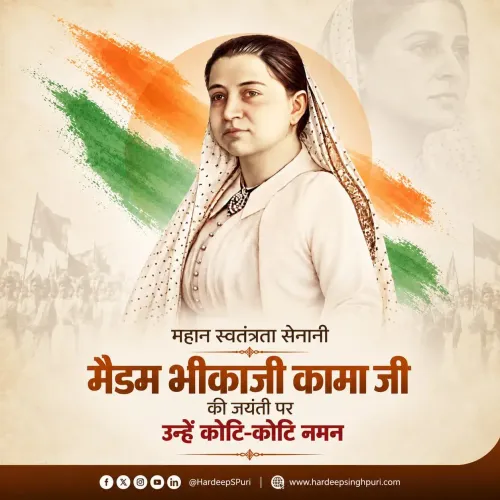
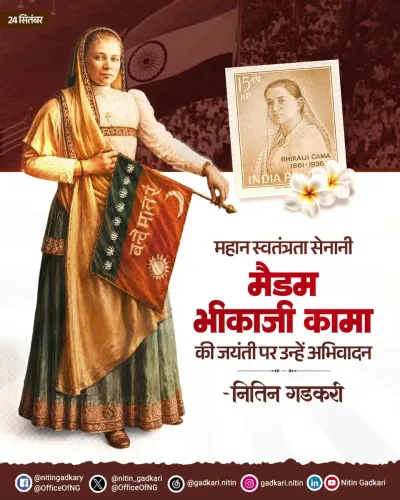
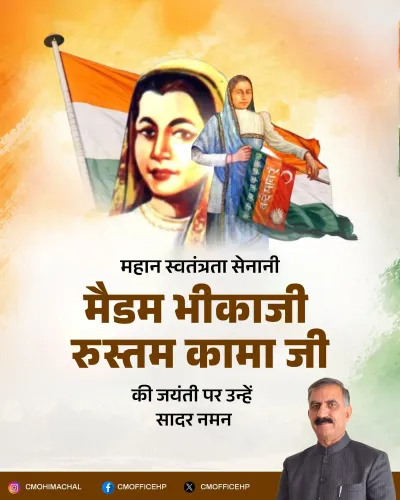
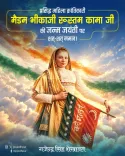
Kishan Reddy pays tribute to Bhikaiji Cama on birth anniversary
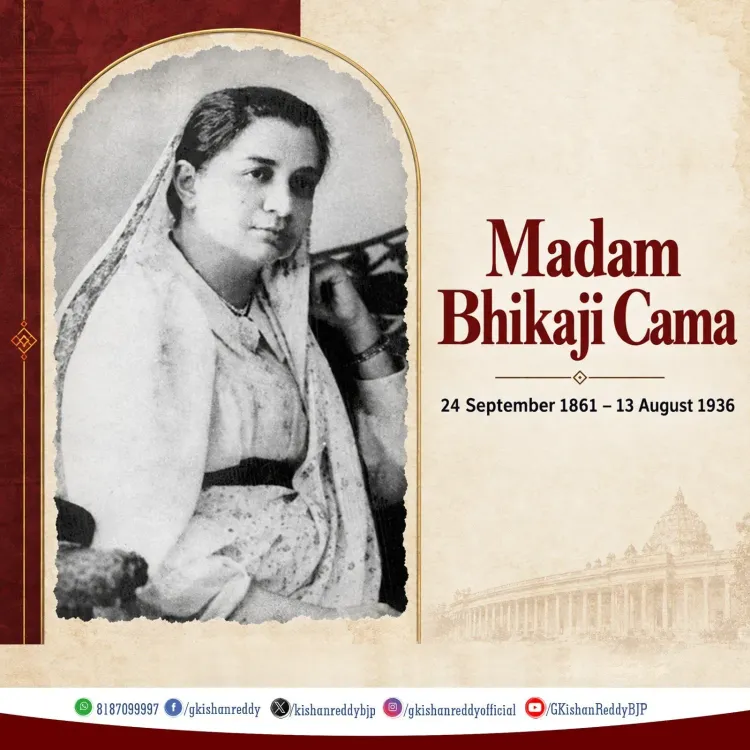
Synopsis
Union Coal and Mines Minister G. Kishan Reddy honoured Bhikaiji Rustom Cama on her birth anniversary, recalling the revolutionary's historic 1907 flag-unfurling in Stuttgart, Germany, and her lifelong advocacy for Indian sovereignty and women's rights.
Key Takeaways
Kishan Reddy , Union Minister of Coal and Mines and BJP Telangana president, paid tribute to Bhikaiji Rustom Cama on her birth anniversary on September 24, 2026 .
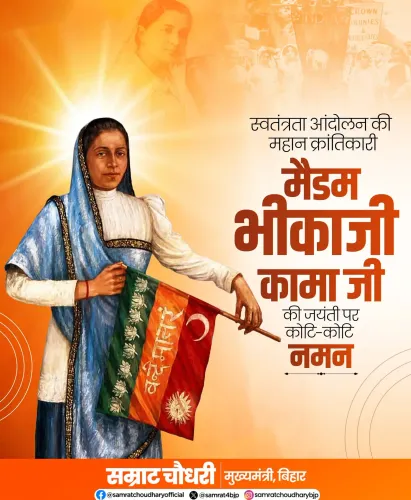
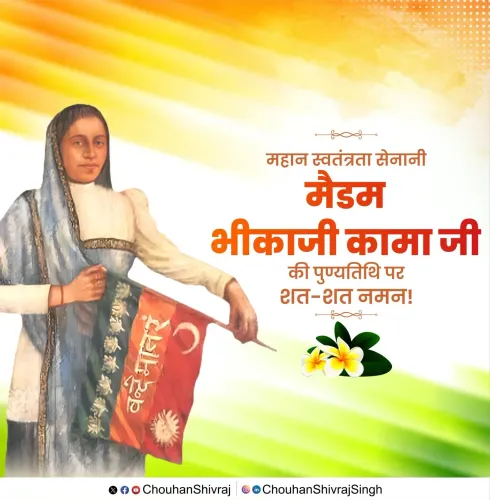
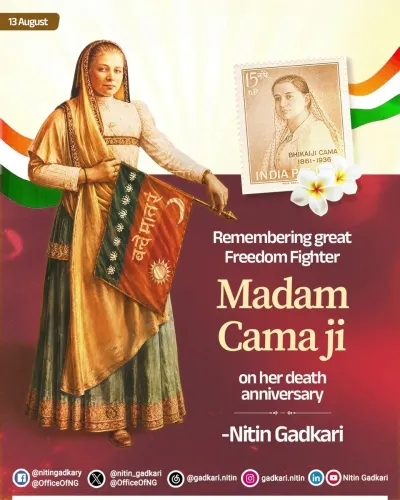
Cama is remembered as the 'Mother of the Indian Revolution' for unfurling an early version of the Indian national flag at the International Socialist Congress in Stuttgart, Germany, in 1907 .
Born in 1861 , Cama spent much of her life in exile in Europe, advocating for Indian independence and women's rights, and was barred from returning to India by British authorities.
She served in plague-relief efforts in Bombay before becoming an international revolutionary figure, collaborating with Shyamji Krishna Varma and V.D.
Cama returned to India in 1935 and died in 1936 ; such tributes from BJP leaders form part of a broader pattern of honouring pre-1915 revolutionary nationalists.
On the birth anniversary of one of India's most defiant revolutionaries, Union Coal and Mines Minister G. Kishan Reddy paid tribute to Bhikaiji Rustom Cama on Thursday, September 24, 2026, hailing her as the 'Mother of the Indian Revolution' whose act of unfurling India's flag on foreign soil in 1907 remains one of the independence movement's most electrifying moments.
Reddy's tribute called Cama 'a pioneering figure of India's freedom movement', recalling her 'fearless unfurling of the National Flag on foreign soil in 1907' as 'a powerful symbol of the struggle for Swaraj.' He also noted her 'selfless service during epidemics' and 'steadfast advocacy for national sovereignty and women's rights.'
The flag that crossed continents in 1907
The moment Reddy references took place at the International Socialist Congress in Stuttgart, Germany, where Cama stood before an international audience and unfurled an early version of the Indian national flag — a deeply subversive act for a subject of the British Crown. Bhikaiji Rustom Cama, born in 1861 and living much of her revolutionary life in exile in Europe, used that global platform to demand independence at a time when most of the world barely knew the word 'Swaraj.'
Her activism extended well beyond the symbolic. During plague epidemics in Bombay in the late 19th century, Cama worked directly in relief efforts — long before she became a figure of international revolutionary politics. She spent decades abroad rallying support for Indian self-rule, collaborating with figures like Shyamji Krishna Varma and Vinayak Damodar Savarkar, and was barred from returning to India by British authorities for much of her life. She finally came home in 1935, a year before her death in 1936.
A revolutionary outside the Congress mainstream
Cama occupies a specific place in how the BJP and its leaders frame the independence movement. She belongs to a cohort of pre-1915 revolutionaries — militant, uncompromising, and operating largely outside the mainstream Congress leadership — whom the party has consistently foregrounded in official and social-media messaging. Tributes like Reddy's form part of a deliberate pattern of honouring nationalist icons whose legacies run parallel to, rather than through, the Nehruvian Congress tradition.
That framing has intensified since 2021 and the launch of Azadi Ka Amrit Mahotsav, the government's five-year commemoration of the 75th anniversary of independence, which explicitly spotlighted figures like Cama who had been less prominent in official memory. Her birth anniversary on September 24 now reliably draws tributes from Union ministers and state BJP units alike.
A century after her Stuttgart moment, Bhikaiji Cama's story still asks the same uncomfortable question she posed to the world in 1907: how long does a nation wait to be free on its own terms?
Point of View
The party builds a narrative of nationalist heritage that sidesteps the Nehruvian legacy. Cama, with her international profile and unapologetic radicalism, is particularly useful in this framing: she bridges anti-colonial struggle, women's agency, and global assertion of Indian identity. As Azadi Ka Amrit Mahotsav recedes, such anniversaries become the primary vehicle for sustaining that alternative historical memory in public discourse.
NationPress
24 Sept 2026
Frequently Asked Questions
Who was Bhikaiji Rustom Cama?
Bhikaiji Rustom Cama (1861–1936) was an Indian independence activist known as the 'Mother of the Indian Revolution.' She is best remembered for unfurling an early version of the Indian national flag at the International Socialist Congress in Stuttgart, Germany, in 1907, and for her decades of advocacy for Swaraj and women's rights while in exile in Europe.
Why is September 24 significant for Bhikaiji Cama?
September 24 is celebrated as the birth anniversary of Bhikaiji Rustom Cama, born in 1861. Indian political leaders and public figures mark the day with tributes to her contribution to the independence movement.
What did Bhikaiji Cama do at Stuttgart in 1907?
At the International Socialist Congress in Stuttgart, Germany, in 1907, Bhikaiji Cama unfurled an early version of the Indian national flag before an international audience — a bold act of defiance against British colonial rule that brought global attention to the demand for Indian independence.
Why does the BJP frequently honour pre-1915 revolutionaries like Bhikaiji Cama?
BJP leaders consistently honour pre-1915 revolutionary nationalists like Cama as part of a broader effort to highlight figures who operated outside the mainstream Congress leadership, presenting an alternative lineage of India's independence movement. This pattern intensified with the government's Azadi Ka Amrit Mahotsav commemorations from 2021.
What was Bhikaiji Cama's connection to plague relief?
Before emerging as an international revolutionary figure, Bhikaiji Cama served in plague-relief efforts in Bombay in the late 19th century, tending to the sick at personal risk — an episode that underscores her reputation for selfless public service alongside her political activism.