Kolkata stampede: Autopsies reveal suffocation, crushed ribs killed 19
Synopsis
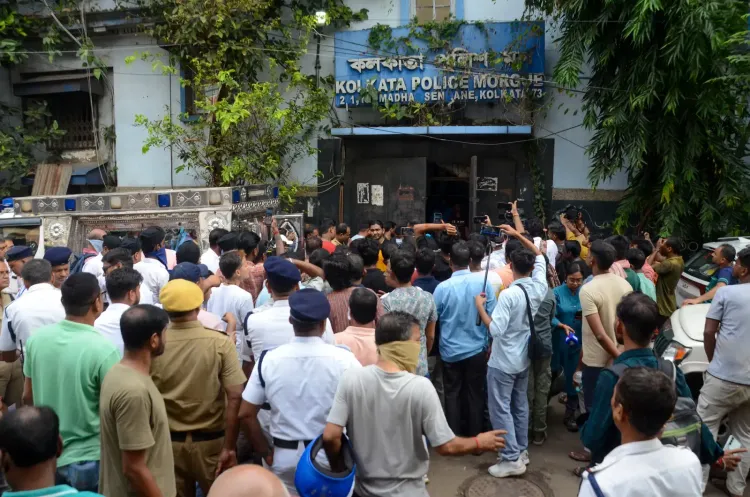
Autopsies of the 19 people killed in the Kolkata Durga Puja stampede reveal extreme suffocation and crushed ribs as the causes of death — findings that lay bare the lethal consequences of crowd mismanagement at a major religious festival. Seven have been arrested, including two puja committee office-bearers, as the state scrambles to prevent a repeat during remaining celebrations.
Key Takeaways
19 people died in a stampede at the Chorbagan Sarbojanin Durga Puja pandal in Kolkata on the night of 17 October 2026 .
Autopsy reports identify extreme suffocation as the primary cause of death; at least six victims had their rib bones crushed , puncturing their lungs.
Seven persons have been arrested, including two top office-bearers of the Chorbagan Sarbojanin Durga Puja Committee .
Medical teams have been deployed at high-footfall pandals from 5 pm to 6 am daily until idol immersion; some doctors question the measure's effectiveness.
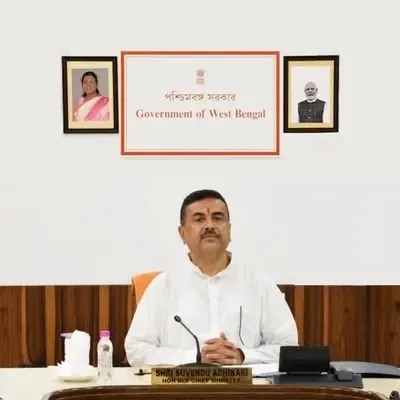
Chief Minister Suvendu Adhikari will visit families of the deceased on 20–21 October to distribute compensation cheques and has curtailed the Vijaya Sammilani event on 26 October .
The administration has banned VIP passes and barred VIP vehicles from reaching pandal gates for remaining Puja days.
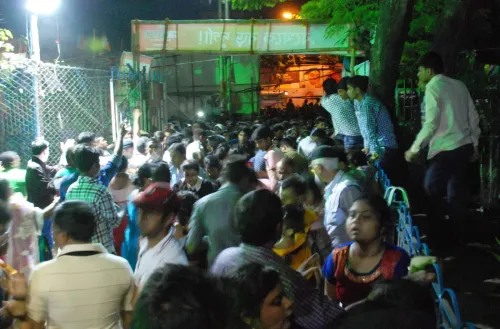
Autopsy reports from the Kolkata stampede that claimed 19 lives at the Chorbagan Sarbojanin Durga Puja pandal on the night of 17 October 2026 point to multiple causes of death, with extreme suffocation identified as the primary factor, according to sources aware of the findings. The tragedy unfolded as panicked devotees rushed to exit the crowded pandal, trapping those caught in the surge beneath the weight of the crowd.
What the Autopsy Reports Found
Sources familiar with the post-mortem findings said that victims were overwhelmingly killed by acute suffocation after being pinned under layers of surging crowd. Beyond asphyxiation, multiple internal injuries sustained from the crush pressure also contributed to several of the deaths.
In the most severe cases — involving at least six deceased pilgrims — the force of the crowd was such that their rib bones were crushed, puncturing their lungs. The findings underline the lethal physics of large-scale crowd collapses, where even brief entrapment can cause fatal internal trauma.
Government Response and Preventive Measures
In the immediate aftermath, medical teams drawn from various medical colleges and hospitals across Kolkata have been deployed at high-footfall community Durga Puja pandals since Sunday evening. Doctors have been assigned duty from 5 pm to 6 am the following morning, a schedule that will continue until idol immersion at the respective pandals.
However, a section of the medical community has questioned the logic of this deployment. 'God forbid, if any Chorbagan-like situation recurs once again, what would the medical teams deployed at the Puja pandals do? Rather, the administration, especially the police administration, should concentrate on efficient crowd control on the remaining Puja days so that situations leading to similar mishaps do not recur,' said a city-based medical practitioner who declined to be identified.
The administration has also scrapped the system of VIP passes issued by large-budget community Pujas. The Chief Minister has directed the city police administration to ensure that vehicles of any VIP are, under no circumstances, permitted to reach pandal gates — a concession critics had long argued created dangerous crowd imbalances.
Chief Minister's Actions and Arrests
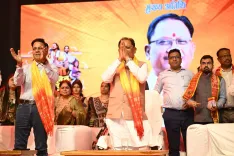
Chief Minister Suvendu Adhikari has announced that the scheduled Vijaya Sammilani programme on 26 October will be curtailed, stripped of all pomp and grandeur. Representatives from all community Durga Puja committees are to be convened on that date; the gathering will include a homage to the deceased and the disbursement of financial assistance to those injured in the stampede.
Adhikari is also scheduled to personally visit families of the deceased on 20 and 21 October to hand over compensation cheques. So far, seven persons — including two top office-bearers of the Chorbagan Sarbojanin Durga Puja Committee — have been arrested in connection with the tragedy.
Broader Context and What Comes Next
Crowd disasters at large religious gatherings are not uncommon in India; the 2013 Madhya Pradesh stampede and 2024 Hathras tragedy are among the deadliest in recent memory, each exposing gaps in crowd management at mass events. The Kolkata incident adds to a grim pattern where administrative failures — inadequate entry and exit control, VIP passage disruption, and insufficient police presence — convert festive gatherings into death traps.
With Durga Puja celebrations continuing through idol immersion, authorities face mounting pressure to demonstrate that the lessons of 17 October have translated into enforceable ground-level protocols — not merely reactive deployments.
Point of View
Not the disease; if crowd pressure builds to the point of rib-crushing force, no on-site physician can intervene in time. The banning of VIP passes is long overdue, but it should never have taken 19 deaths to enforce. The deeper accountability question — who approved the pandal's capacity, who certified exits, and why police deployment was inadequate — must be answered in court, not just managed through compensation cheques and curtailed celebrations.
NationPress
19 Oct 2026
Frequently Asked Questions
What caused the deaths in the Kolkata Durga Puja stampede?
Autopsy reports indicate that extreme suffocation from being trapped under rushing crowds was the primary cause of death. In at least six cases, the force of the surge was severe enough to crush victims' rib bones, which then punctured their lungs.
How many people died and were arrested in the Kolkata stampede?
A total of 19 people were killed in the stampede at the Chorbagan Sarbojanin Durga Puja pandal on the night of 17 October 2026. Seven persons have been arrested so far, including two senior office-bearers of the organising puja committee.
What steps has the government taken after the Kolkata stampede?
Medical teams have been deployed at high-footfall pandals from 5 pm to 6 am daily until idol immersion. The administration has banned VIP passes and barred VIP vehicles from pandal gates. Chief Minister Suvendu Adhikari will personally hand over compensation cheques to victims' families on 20 and 21 October.
Who is responsible for the Chorbagan Durga Puja stampede?
Seven persons have been arrested in connection with the tragedy, including two top office-bearers of the Chorbagan Sarbojanin Durga Puja Committee. Investigations are ongoing to determine the full chain of administrative and organisational failure.
Will Durga Puja celebrations continue after the Kolkata stampede?
Yes, celebrations are continuing through idol immersion, but with enhanced restrictions. Chief Minister Adhikari has also announced that the Vijaya Sammilani programme on 26 October will be curtailed, with no pomp or grandeur, and will instead focus on honouring the deceased and distributing aid to the injured.