Kolkata stampede: Forensic report flags ventilation failure at Chorbagan pandal
Synopsis
A forensic report on the Chorbagan Sarbojanin pandal reveals that 24 air-conditioning units totalling 139 tonnes of capacity were overwhelmed when rain forced a simultaneous rush of devotees inward on 17 October. The judicial probe panel has added a chilling detail: the emergency exit was reportedly locked as chaos unfolded — a finding that could drive criminal negligence charges.
Key Takeaways
A forensic report found inadequate ventilation and cooling at the Chorbagan Sarbojanin Durga Puja pandal, site of the 17 October stampede that killed 19 people .
The pandal had 24 air-conditioning units with a combined capacity of 139 tonnes — sufficient for moderate crowds, but overwhelmed on the night of the incident.
Rainfall outside reportedly triggered a simultaneous inward surge, pushing the crowd far beyond the pandal's capacity.
Retired Justice Anindita Roy Saraswati , heading the state-appointed judicial panel, found entry and exit pavilions 'pathetically narrow' and flagged dim interior lighting.
The panel claims the emergency exit was locked when panic began — a finding that could have serious legal implications for organisers.
Both a Kolkata Police SIT and the judicial panel are conducting parallel investigations; the pandal will remain intact until further orders.
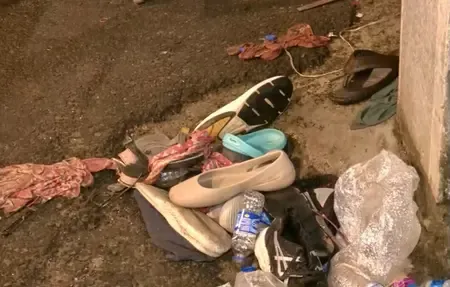
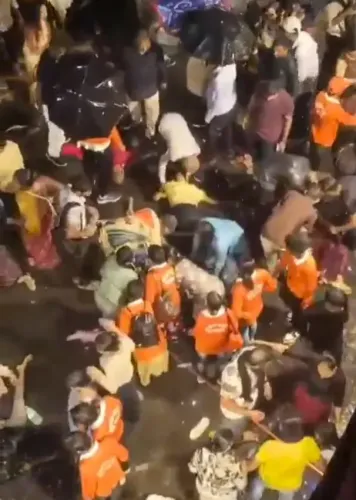
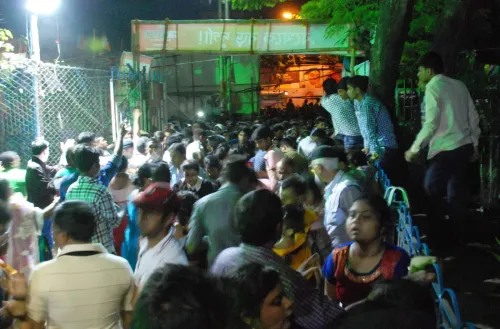
A forensic report on the Chorbagan Sarbojanin Durga Puja pandal in Kolkata has found inadequate ventilation and cooling arrangements within the premises, which reportedly contributed to the stampede on the night of 17 October 2026 that claimed 19 lives. The findings, cited by sources from Kolkata Police, point to a dangerous confluence of overcrowding, rain-driven crowd surge, and insufficient air circulation as key factors behind the tragedy.
What the Forensic Report Found
According to the forensic assessment, the pandal was equipped with 24 air-conditioning units with a combined capacity of 139 tonnes. A police insider indicated that this capacity would have been adequate under low-to-medium footfall conditions, but proved wholly insufficient on the night of the stampede when the crowd swelled far beyond the pandal's capacity.
'Considering the size and structure of this year's pandal, the air-conditioning capacity would have been enough to ensure proper ventilation and cooling arrangements had the footfall been low to medium. However, when the stampede took place the number of devotees present within the pandal premises was quite high and rather much higher than the footfall capacity,' the police insider said.
The report further suggests that the inadequate cooling under peak crowding conditions may have induced a degree of claustrophobia among those trapped inside, potentially triggering panic.
Rain as a Catalyst
The forensic account points to rainfall outside the pandal as a critical trigger. Devotees already inside refused to exit to avoid the rain, while those outside rushed in to seek shelter simultaneously. This two-directional crowd pressure, combined with confined entry and exit corridors, created the conditions for a fatal crush. Notably, this sequence — rain forcing a surge into an enclosed public space during a mass gathering — mirrors patterns seen in several prior festival tragedies across India.
Judicial Probe Panel's Observations
Retired Justice Anindita Roy Saraswati, chairperson of the state government-appointed judicial probe panel, visited the pandal on Thursday and noted additional structural and safety failings. She observed that the entry and exit pavilions were 'pathetically narrow' and that dim lighting inside the pandal likely added to the chaos.
Critically, she claimed that the emergency exit route was locked at the time the situation began to deteriorate — a finding that, if confirmed, could significantly alter the legal and administrative consequences for the event organisers.
Justice Roy Saraswati said that while idol immersion could proceed as planned, the pandal structure itself must remain intact pending the panel's detailed investigation.
Parallel Investigations Underway
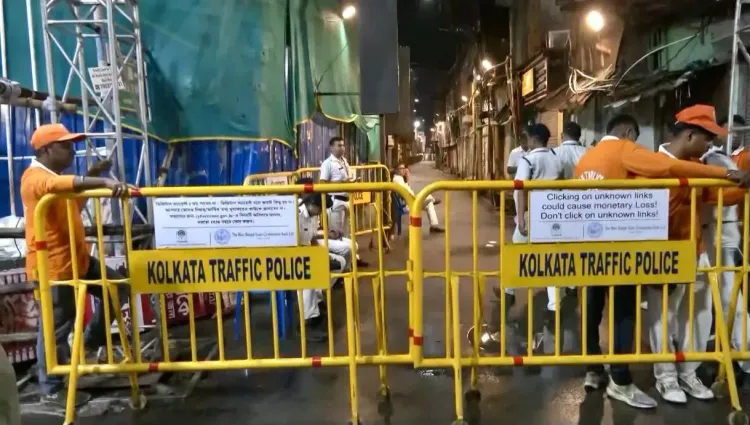
The Chorbagan Sarbojanin stampede is being probed on two fronts: a Special Investigation Team (SIT) of Kolkata Police, and the independent judicial panel appointed by the West Bengal state government. Both teams are expected to examine structural compliance, crowd management protocols, and the role of event organisers and civic authorities in permitting the gathering under the conditions that prevailed.
The idols of Chorbagan Sarbojanin are scheduled for immersion on Saturday, but the pandal will remain sealed until the judicial panel clears it for dismantling.
What Comes Next
The judicial probe panel's findings, alongside the SIT report, are expected to determine whether criminal charges for negligence will be filed against organisers, and whether Kolkata's Durga Puja guidelines on pandal capacity, lighting, exits, and ventilation need a systemic overhaul ahead of future editions of the festival.
Point of View
And no one enforced it on the night. The locked emergency exit claim, if verified, moves this from a tragedy of circumstances to potential criminal negligence. India's festival-season crowd management has repeatedly failed the basic test of proportionate infrastructure — Kolkata's authorities, and the state government that issues permissions for these pandals, will need to explain why a 19-death outcome was not foreseeable. The parallel SIT and judicial probe is welcome, but the real accountability question is whether findings will produce binding pandal safety standards or remain a one-cycle exercise.
NationPress
23 Oct 2026
Frequently Asked Questions
What did the forensic report find about the Chorbagan Sarbojanin stampede?
The forensic report found that the pandal's ventilation and cooling arrangements were inadequate for the crowd size on the night of 17 October 2026. It noted that 24 air-conditioning units with a combined 139-tonne capacity were sufficient for low-to-medium footfall but were overwhelmed when the number of devotees far exceeded capacity, potentially inducing claustrophobia and panic.
How many people died in the Kolkata Durga Puja stampede?
The stampede at the Chorbagan Sarbojanin Durga Puja pandal in Kolkata on the night of 17 October 2026 claimed 19 lives. The incident occurred when a rain-driven surge forced large numbers of devotees into the already crowded pandal simultaneously.
Was the emergency exit locked during the Chorbagan stampede?
Retired Justice Anindita Roy Saraswati, chairperson of the state government-appointed judicial probe panel, claimed that the emergency exit route was locked when chaos began to unfold on the pandal premises. This allegation is under investigation and, if confirmed, could result in criminal negligence charges against the organisers.
Who is investigating the Kolkata Durga Puja stampede?
Two parallel investigations are underway: a Special Investigation Team (SIT) of Kolkata Police and an independent judicial probe panel appointed by the West Bengal state government, chaired by retired Justice Anindita Roy Saraswati. Both are examining structural safety, crowd management, and the roles of organisers and authorities.
Will the Chorbagan Sarbojanin idols be immersed, and what happens to the pandal?
The idols of Chorbagan Sarbojanin are scheduled for immersion on Saturday. However, the pandal structure must remain intact until the judicial probe panel clears it, as investigators need it preserved for detailed examination of the site.