Karnataka govt to reclaim plots if houses not built in 5 years, says CM Shivakumar
Synopsis
Karnataka CM D.K. Shivakumar has put long-term plot holders on notice: build within five years or lose the land. The policy targets BDA, CITB, and cooperative-society allottees and directly links Bengaluru's vacant-site problem to its worsening garbage crisis — with police now authorised to seize illegal dumping vehicles on the spot.
Key Takeaways
Shivakumar announced on 1 August that the state will resume residential plots if houses are not built within five years of allotment.
Allottees will receive a refund of the amount paid along with applicable interest before plots are resumed.
Alternatively, the government may impose double property tax on vacant sites instead of resumption.
The policy covers plots allotted by BDA , CITB , municipal corporations, and cooperative housing societies.
Police have been directed to seize vehicles caught dumping garbage illegally on vacant sites.
A major green initiative for Bengaluru is expected to be announced during the government's 100-day programme .
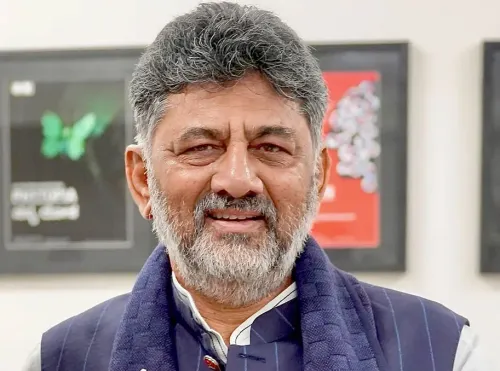
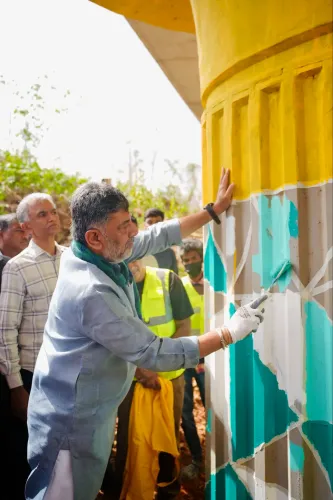
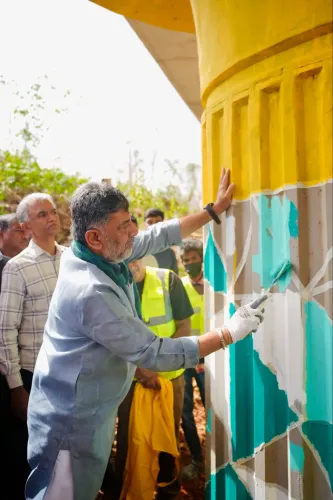
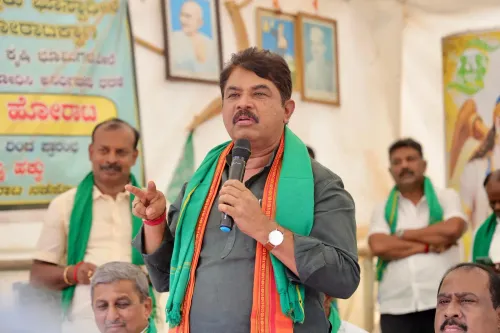
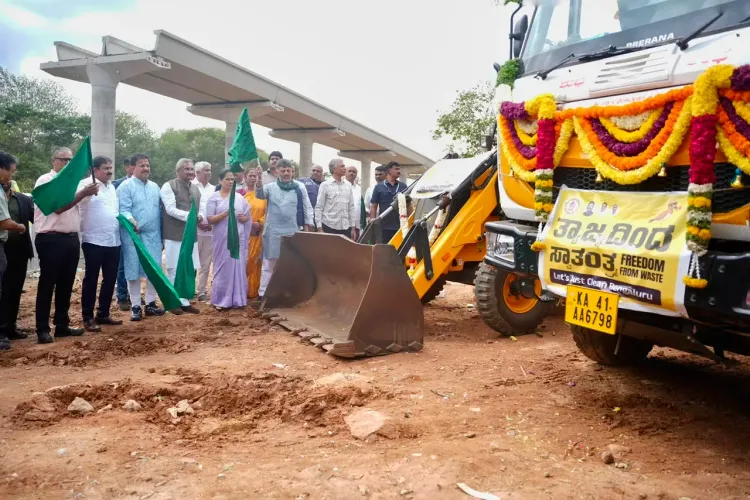
Karnataka Chief Minister D.K. Shivakumar on Saturday, 1 August announced that the state government will resume residential plots allotted by government agencies and cooperative housing societies if beneficiaries fail to construct houses within five years of allotment. Speaking at the launch of the 'Freedom from Waste' cleanliness campaign near Hebbal Junction in Bengaluru, Shivakumar said vacant sites had become a primary driver of garbage accumulation and urban neglect across the city.
What the Policy Entails
Under the proposed measure, plot owners who do not begin construction within five years of receiving their allotment will face one of two consequences: the government will either impose double property tax on the vacant site or resume possession of the plot after refunding the amount paid along with applicable interest.
'We allot sites for people to build houses, not to keep them vacant for decades. There are people who have not constructed houses even after 20, 30 or 40 years. If a house is not built within five years, we will either impose double property tax or resume the site after refunding the amount paid with interest,' Shivakumar said.
The policy will apply to plots allotted by the former City Improvement Trust Board (CITB), the Bengaluru Development Authority (BDA), municipal corporations, and cooperative housing societies.
The Garbage Menace Driving the Decision
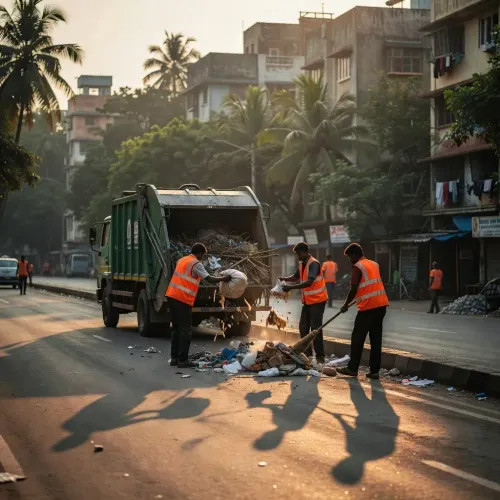
Shivakumar linked the plot-resumption plan directly to Bengaluru's worsening solid waste problem. Vacant sites without compound walls, he said, routinely become unauthorised dumping grounds, contributing to the city's cleanliness crisis.
'Vacant sites without compound walls become dumping grounds for garbage. Site owners must ensure their properties are protected and kept clean,' he said, adding that plot owners bear responsibility for maintaining their land even if they are not personally responsible for the waste being deposited there.
Announcing stricter enforcement against illegal dumping, Shivakumar directed the police to seize vehicles caught dumping garbage without authorisation. 'We had earlier issued notices and installed surveillance cameras, but illegal dumping has resumed. I have instructed the police to seize such vehicles without hesitation,' he said.
The 'Freedom from Waste' Campaign
The campaign launched at Hebbal Junction is part of a broader push to give Bengaluru's cleanliness drive renewed momentum. Shivakumar appealed to non-governmental organisations, resident welfare associations, and civic groups to adopt roads and localities as part of the initiative.
'If NGOs and organisations are willing to take responsibility for four or five roads or a locality, the government will welcome such initiatives. Public participation is essential for the success of this campaign,' he said.
He acknowledged that waste management remains a persistent challenge across Indian cities and framed the campaign as a step toward systemic change rather than a one-off drive.
Green Initiative and What Comes Next
Shivakumar also hinted at a major green initiative for Bengaluru, with details to be unveiled as part of the government's proposed 100-day programme. The announcement was attended by Union Minister Shobha Karandlaje, Karnataka Energy and Tourism Minister K.J. George, Bengaluru Development Minister Krishna Byre Gowda, MLA S.R. Vishwanath, and Greater Bengaluru Authority (GBA) Chief Commissioner M. Maheshwar Rao, among others.
With the BDA and CITB together having allotted thousands of plots across Bengaluru over decades, the resumption policy — if implemented — could have significant implications for long-standing allottees and the city's real estate landscape.
Point of View
Verifying, and legally resuming thousands of long-held plots will require a data infrastructure the state has not yet demonstrated it possesses. The double-tax alternative may prove the more practical lever, but it risks becoming another under-enforced penalty in a city where property-tax compliance is already uneven. More importantly, framing a land-policy reform as a garbage solution conflates two distinct governance failures: weak urban waste management and lax allotment conditions. Fixing one does not automatically fix the other, and the political optics of taking back plots from ordinary allottees — many of whom may have held them as long-term savings assets — could generate significant backlash ahead of local body elections.
NationPress
15 Sept 2026
Frequently Asked Questions
What is Karnataka's new policy on vacant residential plots?
The Karnataka government has announced it will resume residential plots allotted by BDA, CITB, municipal corporations, and cooperative housing societies if beneficiaries do not construct a house within five years of allotment. Allottees will be refunded the amount paid with applicable interest before the plot is taken back.
What is the alternative to plot resumption under this policy?
As an alternative to resuming the plot, the government may impose double property tax on vacant sites. CM Shivakumar presented both options as tools to discourage long-term vacancy and the garbage accumulation it enables.
Why is the Karnataka government targeting vacant plots?
Vacant sites without compound walls have become unauthorised dumping grounds for solid waste, worsening Bengaluru's garbage crisis. The government links plot vacancy directly to urban neglect and is using this policy to address both issues simultaneously.
Who will be affected by the Karnataka plot-resumption policy?
The policy applies to beneficiaries who received residential plots from the Bengaluru Development Authority (BDA), the former City Improvement Trust Board (CITB), municipal corporations, and cooperative housing societies, and have not yet constructed a house.
What is the 'Freedom from Waste' campaign launched by CM Shivakumar?
'Freedom from Waste' is a cleanliness campaign launched by CM D.K. Shivakumar on 1 August near Hebbal Junction in Bengaluru. It aims to tackle illegal garbage dumping, engage NGOs and resident associations in locality upkeep, and give the city's waste management drive a fresh direction.