Kumaraswamy slams Karnataka over Yettinahole delays, 12 years of broken promises
Synopsis
More than 12 years after a foundation-stone ceremony where Siddaramaiah promised water within two years, Kumaraswamy says Kolar and Chikkaballapur are still waiting — and the project's proposed reservoir has shrunk from 10 TMC to 2 TMC along the way. The Union Minister's broadside spans drought relief gaps, township controversies, and a proposed 'sixth guarantee' on milk prices, framing Karnataka's government as long on announcements and short on delivery.
Key Takeaways
Kumaraswamy on 6 October 2026 criticised the Karnataka government over 12+ years of delays on the Yettinahole drinking water project .
The project's proposed reservoir near Devarayanadurga has reportedly been scaled down from 10 TMC to 5 TMC and then to 2 TMC .
Kumaraswamy questioned how many farmers actually received the ₹2,500 drought relief announced by the state.
He proposed raising the incentive to milk producers from ₹5 to ₹10 per litre , calling it a possible 'sixth guarantee'.
The minister also questioned plans for a KGF industrial corridor and the status of housing commitments for one lakh and 50,000 workers .
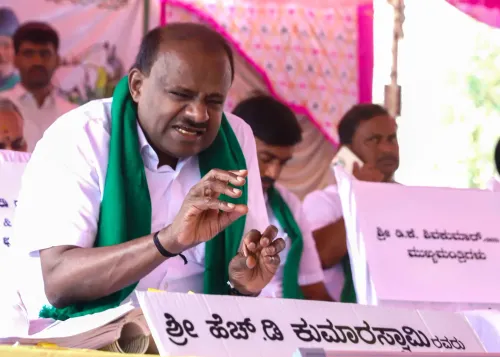
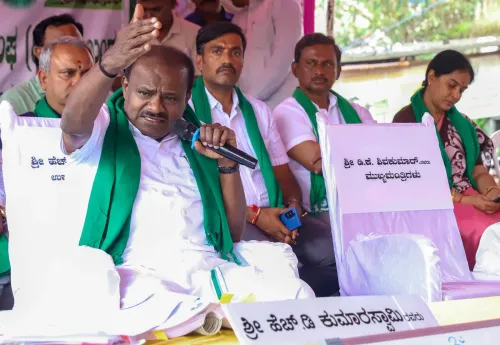
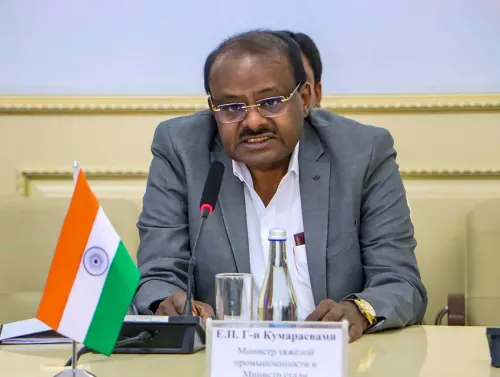
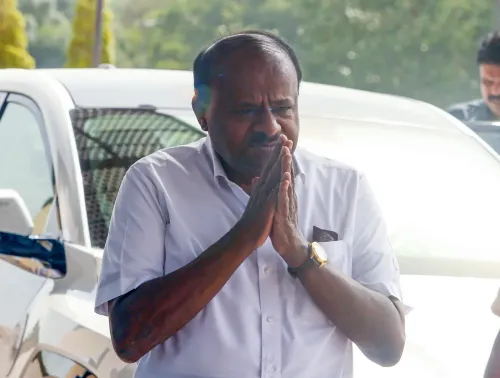
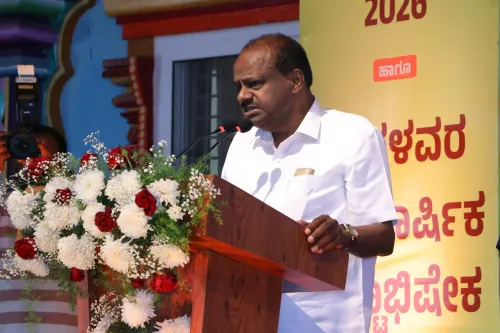
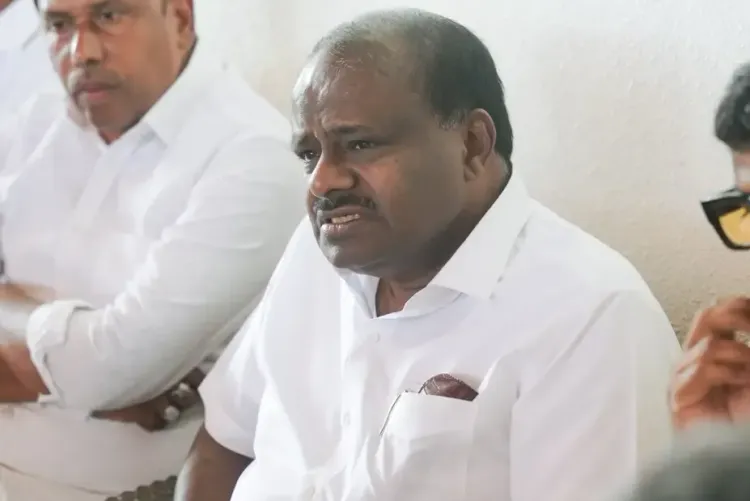
Union Minister for Heavy Industries and Steel H.D. Kumaraswamy on Tuesday, 6 October 2026, launched a sharp attack on the Karnataka state government over the prolonged stalling of the Yettinahole drinking water project, alleging that residents of Kolar and Chikkaballapur had been strung along with repeated assurances for more than 12 years without tangible results. Speaking to journalists in Mulbagal, Kumaraswamy maintained his earlier stand that the government would fail to deliver Yettinahole water to the two districts within any of its announced timelines.
A Project Stuck in Time
Kumaraswamy recalled being present at the foundation-stone laying ceremony for the project in 2013–14 in Chikkaballapur, held in the presence of the Adichunchanagiri Mahaswamiji. At the time, he said, he had already flagged concerns about the feasibility of ensuring actual water supply to Kolar. Chief Minister Siddaramaiah had, at that ceremony, reportedly assured residents that water would reach even the farthest corners of Kolar within one or two years.
More than a decade later, Kumaraswamy alleged, the project remained far from its intended outcome. He argued that laying pipelines alone was insufficient without a robust system to transport and store water — and that spending on pipelines without a guaranteed supply amounted to public expenditure without public benefit.
Shrinking Reservoir, Shrinking Accountability
The Union Minister raised pointed questions about the proposed reservoir component of the project, alleging a pattern of steady downscaling. According to Kumaraswamy, the government had initially proposed a reservoir near Devarayanadurga with a storage capacity of 10 TMC; this was subsequently reduced to 5 TMC and later further cut to 2 TMC. He said clarity on the final plan remained elusive even now, with fresh deadlines continuing to be announced without resolution.
Drought Relief, Governance Gaps, and Guarantee Schemes
Kumaraswamy broadened his critique to cover drought relief, questioning how many farmers had actually received the ₹2,500 relief announced by the state government. He alleged that since Siddaramaiah returned as Chief Minister for a second term, public discourse had been dominated by political power-sharing dynamics rather than substantive governance. He also questioned the government's own claims about the economic impact of its guarantee schemes on ordinary households.
Referring to visits by Central teams to drought-affected areas, Kumaraswamy claimed that farmers continued to face hardship and were migrating for employment, suggesting that relief announcements had not translated into adequate on-ground assistance.
Criticism of Shivakumar's Vision Plans and KGF Industrial Corridor
The minister also took aim at Deputy Chief Minister D.K. Shivakumar's Vision 2037 and Vision 2047 initiatives, questioning the availability of resources to implement them. He alleged that proposals for integrated townships could inflate land values without adequately addressing local concerns — and noted that similar township proposals during his own tenure had drawn criticism, implying a double standard in the current scrutiny.
Kumaraswamy also questioned plans for an industrial corridor in KGF, seeking clarity on water availability for such projects given the unresolved supply situation in the region. He questioned the scale of investment and employment actually generated in Kolar and Chikkaballapur to date, and raised unresolved commitments — including an earlier promise to build one lakh houses during Siddaramaiah's first term and a more recent announcement regarding housing for 50,000 workers.
Milk Prices: A Proposed 'Sixth Guarantee'
On the question of milk pricing, Kumaraswamy said he did not oppose supporting dairy farmers but argued that the burden should not fall entirely on consumers. He proposed increasing the incentive paid to milk producers from ₹5 to ₹10 per litre, describing this as a potential 'sixth guarantee' — one that would benefit producers directly without pushing up retail prices for consumers.
With assembly session dates approaching and the opposition sharpening its critique across multiple policy fronts, the Karnataka government faces growing pressure to demonstrate concrete progress on the Yettinahole project and other long-pending commitments.
Point of View
While conveniently sidestepping his own party's long stint in Karnataka. The Yettinahole project's reservoir shrinking from 10 TMC to 2 TMC, if accurate, is the most damaging detail in his remarks and deserves independent verification rather than political framing alone. The broader critique — that guarantee-scheme optics have crowded out infrastructure delivery — reflects a genuine tension in Karnataka's governance model that opposition and independent observers alike have flagged. What is missing from Kumaraswamy's press conference is any accountability for the years the project moved slowly under non-Congress state governments.
NationPress
6 Oct 2026
Frequently Asked Questions
What is the Yettinahole drinking water project?
The Yettinahole project is a Karnataka government scheme designed to divert surplus water from the Western Ghats to the water-scarce districts of Kolar and Chikkaballapur. Its foundation stone was laid in 2013–14, but the project has faced repeated delays and missed deadlines over more than 12 years.
What did Kumaraswamy allege about the Yettinahole reservoir?
Kumaraswamy alleged that the proposed reservoir near Devarayanadurga had been progressively scaled down from an initial capacity of 10 TMC to 5 TMC, and subsequently further reduced to 2 TMC. He said there was still no clarity on the final plan and that fresh deadlines kept being announced without resolution.
Why did Kumaraswamy criticise Karnataka's drought relief measures?
The Union Minister questioned how many farmers had actually received the ₹2,500 drought relief announced by the state government, alleging that announcements had not translated into adequate on-ground assistance. He said farmers in the affected districts continued to face hardship and were migrating for employment.
What is Kumaraswamy's proposed 'sixth guarantee' on milk prices?
Kumaraswamy proposed raising the direct incentive paid to milk producers from ₹5 to ₹10 per litre, describing it as a potential 'sixth guarantee'. He argued this approach would support dairy farmers without increasing retail milk prices for consumers.
What other governance issues did Kumaraswamy raise against the Karnataka government?
Apart from Yettinahole, Kumaraswamy questioned Deputy CM D.K. Shivakumar's Vision 2037 and Vision 2047 plans, the proposed KGF industrial corridor's water availability, housing commitments for one lakh and 50,000 workers, and the broader impact of the government's guarantee schemes on people's economic well-being.