Lalan Singh meets Assam CM on fisheries, dairy growth
Synopsis
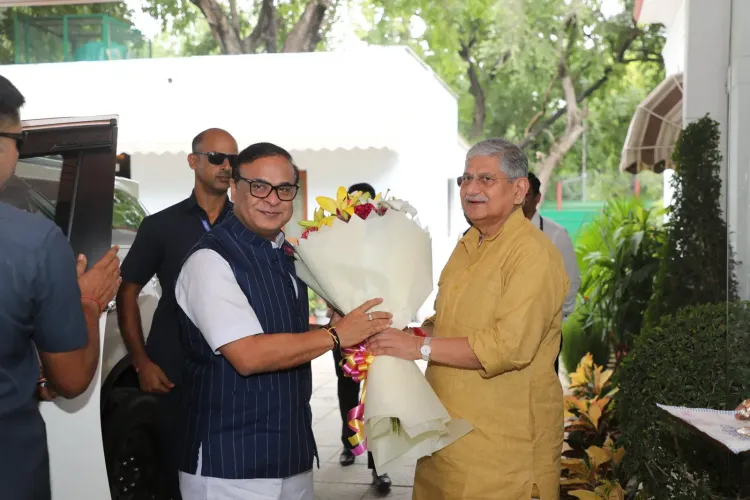
Union Minister Rajiv Ranjan Singh (Lalan Singh) met Assam CM Himanta Biswa Sarma on 2 July 2026 to advance fisheries exports, dairy cooperative strengthening, UHT milk plant establishment, and livestock improvement through artificial insemination in the state.
Key Takeaways
Union Minister Lalan Singh and Assam CM Himanta Biswa Sarma held a bilateral meeting on 2 July 2026 focused on fisheries and dairy development.
Discussions covered boosting fish production and exports and strengthening value-chain and processing infrastructure in Assam.
The agenda included establishing Tetra Pak (UHT) and milk powder plants and expanding veterinary medicine centres across the state.
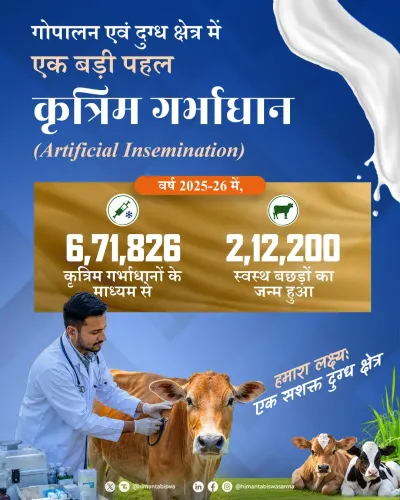
Dairy cooperative strengthening and artificial insemination for livestock genetic improvement were also on the agenda.
The meeting aligns with the Pradhan Mantri Matsya Sampada Yojana (2020) and NDDB-led dairy development programmes.
Follow-up will be tracked through project sanctions, budget releases, and Assam's fish and milk output data.
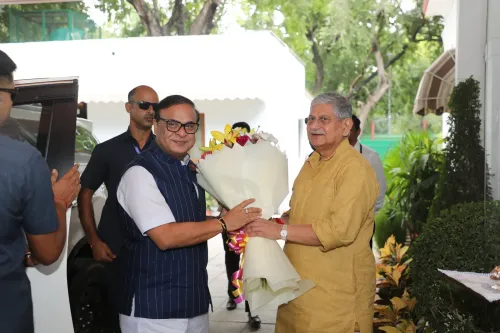
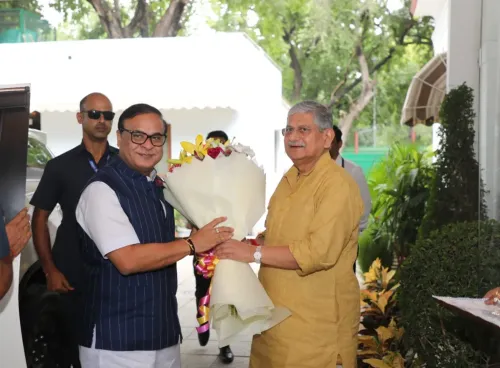
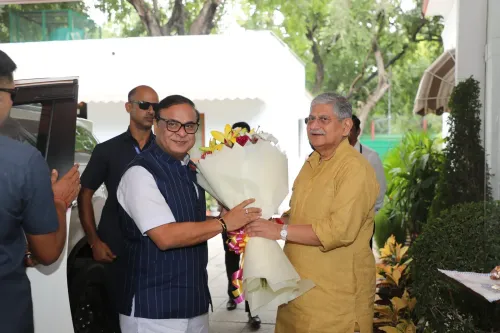
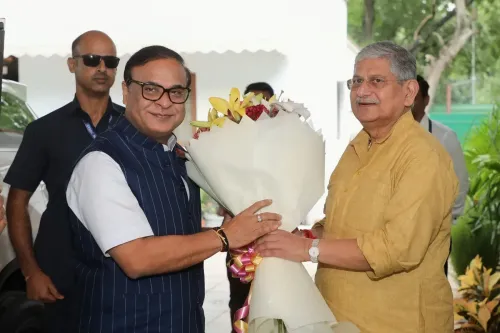
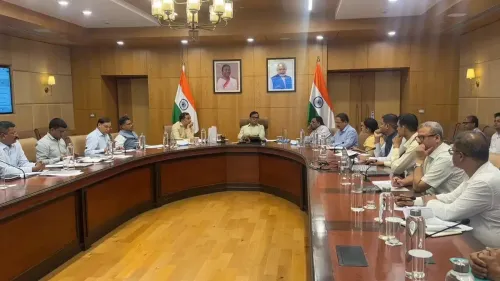
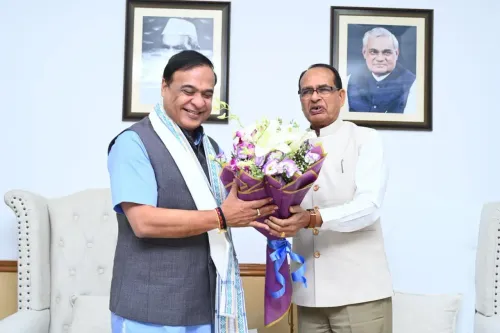
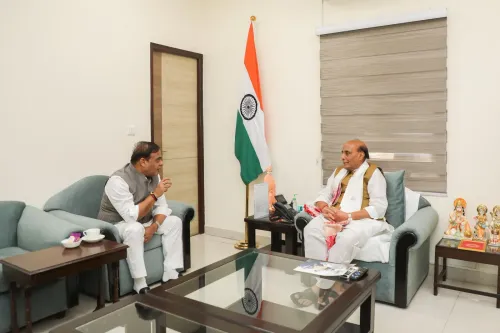
Union Minister of Panchayati Raj, Fisheries, Animal Husbandry and Dairying Rajiv Ranjan Singh held a wide-ranging meeting with Assam Chief Minister Himanta Biswa Sarma on Thursday, 2 July 2026, to discuss accelerating development of the state's fisheries and dairy sectors. The two leaders reviewed opportunities across fish production, exports, value-chain infrastructure, dairy cooperatives, and livestock improvement.
Context
Posting on X, the Union Minister described the meeting as 'aatmiya evam saarthak mulaqaat' ('warm and productive'), noting that several important topics related to the 'holistic development of the state's fisheries and dairy sectors' were discussed at length. The post highlighted a wide agenda spanning marine exports, processing infrastructure, and veterinary services.
Assam is a northeastern state endowed with extensive inland water bodies — including the Brahmaputra river system — making it one of India's most resource-rich states for inland fisheries. The state has increasingly sought central partnership to convert this natural advantage into measurable economic output.
Policy Backdrop
The discussions are set against the backdrop of the Pradhan Mantri Matsya Sampada Yojana (PMMSY), a central scheme launched in 2020 to boost sustainable fish production, infrastructure investment, and Blue Economy goals. Assam has been an active participant in PMMSY, which funds hatcheries, cold-chain logistics, and export-linked processing units.
On the dairy side, the National Dairy Development Board (NDDB) has long supported state-level cooperative infrastructure and milk processing under the National Programme for Dairy Development, active since the 2010s. The minister's post specifically flagged the establishment of Tetra Pak (UHT) and milk powder plants in Assam, alongside strengthening dairy cooperatives and expanding veterinary medicine centres — all areas where NDDB plays a central coordinating role.
The meeting also touched on artificial insemination as a tool for livestock genetic improvement, a priority under the central government's broader animal husbandry modernisation drive.
Stakeholders and Impact
Assam's fishermen communities — both riverine and aquaculture-based — stand to benefit directly from any boost in fish production and export infrastructure. Stronger value chains and processing facilities would reduce post-harvest losses and improve price realisation for small-scale fish farmers.
Dairy cooperatives in the state, which have historically lagged behind western India's cooperative model, could see renewed investment in cold storage, processing, and UHT packaging — expanding the reach of pasteurised and long-shelf-life milk products to urban and export markets. Veterinary facilities and artificial insemination programmes would target livestock productivity at the grassroots level, benefiting rural households dependent on cattle for income.
What's Next
The minister expressed confidence that 'coordinated efforts of the central and state governments will give new momentum to the development of Assam's fisheries and dairy sectors.' Concrete follow-through will be visible in state-level project approvals under PMMSY, budget releases for proposed processing units, and NDDB-linked cooperative expansion plans.
Observers will watch for formal project sanctions from the Department of Fisheries and the Department of Animal Husbandry and Dairying, as well as any announcements from the Assam government on co-investment in the proposed milk processing plants. Progress will ultimately be reflected in fish output and milk procurement data in future economic surveys of the state.
Point of View
A JD(U) leader in a BJP-led coalition, visible policy delivery in BJP-governed states like Assam reinforces the alliance's cooperative optics. The specific mention of UHT milk plants and artificial insemination points to a shift from broad policy announcements toward infrastructure-level commitments, though concrete project sanctions remain the real test. Assam's inland water wealth has long been an underleveraged asset, and sustained central attention could meaningfully reposition the state in India's Blue Economy narrative.
NationPress
1 Oct 2026
Frequently Asked Questions
What did Lalan Singh and Assam CM discuss on 2 July 2026?
Union Minister Lalan Singh and Assam Chief Minister Himanta Biswa Sarma discussed boosting fish production and exports, strengthening value-chain and processing infrastructure, establishing UHT milk and milk powder plants, expanding veterinary facilities, strengthening dairy cooperatives, and improving livestock through artificial insemination.
What is Pradhan Mantri Matsya Sampada Yojana and how does it relate to Assam?
Pradhan Mantri Matsya Sampada Yojana is a central scheme launched in 2020 to increase sustainable fish production, infrastructure, and exports. Assam, with its extensive inland water resources, is an active beneficiary of the scheme, which funds hatcheries, cold-chain logistics, and export-linked processing units.
What role does NDDB play in Assam's dairy sector?
The National Dairy Development Board (NDDB) supports state-level dairy cooperative infrastructure and milk processing under the National Programme for Dairy Development. The 2 July meeting highlighted NDDB as a key partner in expanding Assam's dairy cooperatives and processing capacity.
Why is Assam considered important for India's fisheries sector?
Assam has extensive inland water bodies, including the Brahmaputra river system, making it one of India's most resource-rich states for inland fisheries. The central government sees significant untapped potential for fish production and export growth in the state.
What are the next steps after the Lalan Singh-Himanta Biswa Sarma meeting?
Concrete follow-through will depend on formal project sanctions from the Department of Fisheries and the Department of Animal Husbandry and Dairying, budget releases for proposed processing plants, and NDDB-linked cooperative expansion. Progress will be reflected in Assam's fish output and milk procurement data.