Lalan Singh to Visit Sikkim, Launch Dairy and Fisheries Initiatives
Synopsis
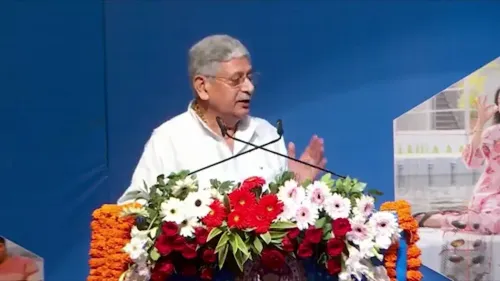
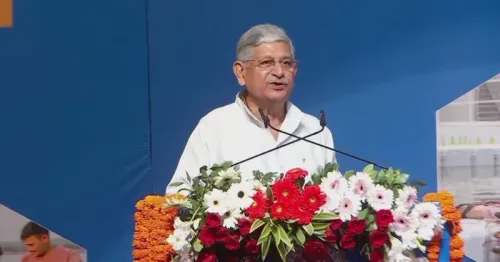
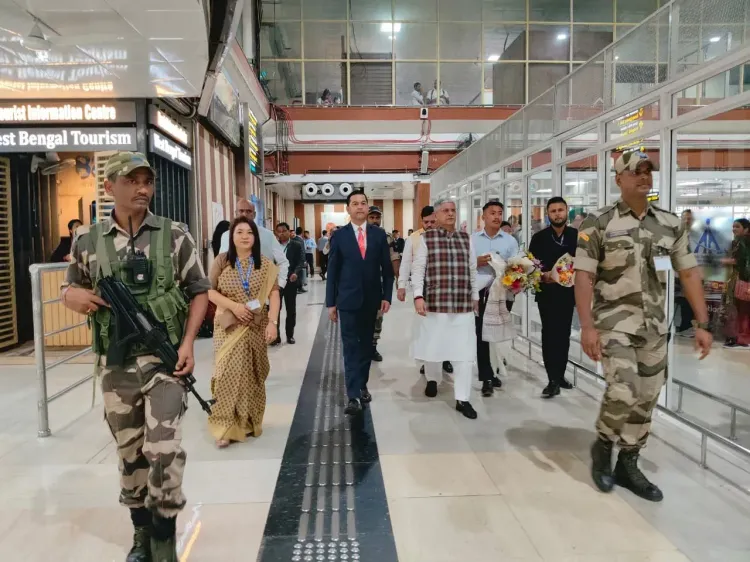
Union Minister Rajiv Ranjan Singh (Lalan Singh) is visiting Sikkim to meet farmers, livestock rearers, and fisheries cooperatives, and to launch farmer-centric initiatives aimed at strengthening the state's dairy cooperative sector and rural livelihoods.
Key Takeaways
Union Minister Lalan Singh announced a visit to Sikkim on November 1, 2026 to launch farmer-centric dairy and fisheries cooperative initiatives.
The minister plans to directly interact with farmers, livestock rearers, and fisheries cooperatives during the visit.
The Department of Animal Husbandry and Dairying and FisheriesGoI are the key implementing departments for the initiatives.
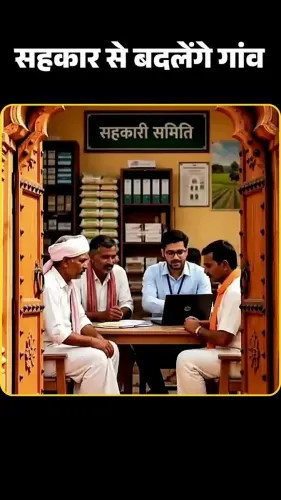
The visit aligns with the Centre's policy of integrating Panchayati Raj institutions with cooperative structures for last-mile delivery in the Northeast.
Specific scheme names, budgets, and MoU details are yet to be confirmed ahead of the visit.
Sikkim's organic farming profile and smallholder livestock economy position it as a potential model for other northeastern states.
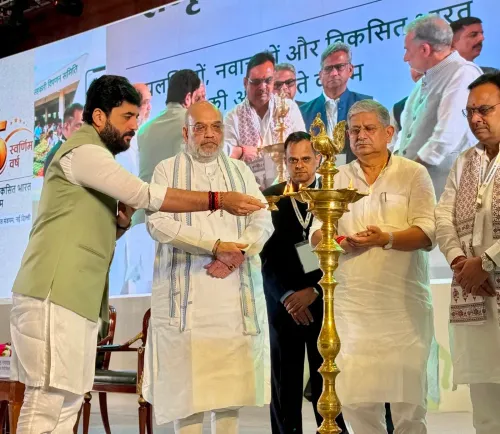
Cooperative dairy, mountain fisheries, and rural livelihoods — Union Minister Rajiv Ranjan Singh (Lalan Singh) is heading to Sikkim to directly engage with farmers and cooperative societies, announcing plans to launch a clutch of farmer-centric initiatives aimed at strengthening the state's dairy cooperative sector. The visit, flagged on Sunday, November 1, 2026, signals a deliberate push by the Centre to deepen its cooperative and livestock agenda in the Northeast.
Sikkim in the Crosshairs of India's Dairy Cooperative Push
Sikkim is not an obvious dairy powerhouse — but that is precisely the point. The Himalayan state's smallholder farmers, livestock rearers, and fisheries cooperatives represent exactly the last-mile constituency that Central schemes such as the Rashtriya Gokul Mission (launched 2014) and the post-2021 cooperative revitalisation drive have been designed to reach. Minister Singh explicitly named these three groups — farmers, livestock rearers, and fisheries cooperative members — as his priority interlocutors for the visit.
The Department of Animal Husbandry and Dairying and FisheriesGoI, both tagged in the post, will be the implementing arms on the ground. Their combined remit covers breed improvement, cold-chain infrastructure, cooperative registration, and credit linkage — the full toolkit for a hill-state dairy upgrade.
From Operation Flood to the Northeast Frontier
Operation Flood, India's landmark dairy cooperative programme launched in 1970, built the Anand-pattern model that transformed Gujarat and later spread to plains states. Integrating hill states like Sikkim into that cooperative architecture has been slower work — terrain, fragmented landholdings, and limited cold-chain access have all posed challenges. The creation of a separate Ministry of Cooperation in July 2021 injected fresh institutional energy into closing that gap, with a specific brief to extend cooperative structures to sectors — and geographies — still operating informally.
Sikkim's organic-farming brand and its smallholder livestock economy make it a high-visibility test case. A successful cooperative model here could serve as a template for other northeastern states with similar agro-ecological profiles.
What the Sikkim Meetings Are Expected to Deliver
The minister described his agenda as 'launching key farmer-centric initiatives,' though specific scheme names, budgets, or formal MoU details have not yet been confirmed ahead of the visit. The broader policy direction — integrating Panchayati Raj institutions with cooperative structures for last-mile delivery — is well-established under Singh's ministerial mandate, which spans Panchayati Raj, Fisheries, Animal Husbandry, and Dairying simultaneously.
Observers will track whether the visit produces new cooperative society registrations, state-level funding commitments, or fresh linkages between Sikkim's organic value chains and Central dairy procurement networks. The minister's direct engagement with fisheries cooperatives is also notable — Sikkim's trout and freshwater fisheries sector has long been seen as underdeveloped relative to its potential.
Point of View
The visit also reinforces the Centre's thesis that Panchayati Raj bodies can serve as the delivery spine for cooperative programmes at the village level. Sikkim's organic-farming brand gives any cooperative launched here outsized visibility as a premium rural-income model. How much of this visit translates into durable institutional infrastructure — registered cooperatives, cold-chain links, credit access — will determine whether it is policy advancement or political optics.
NationPress
1 Nov 2026
Frequently Asked Questions
Why is Union Minister Lalan Singh visiting Sikkim?
Minister Rajiv Ranjan Singh (Lalan Singh) is visiting Sikkim to interact with farmers, livestock rearers, and fisheries cooperative members, and to launch key farmer-centric initiatives aimed at strengthening the dairy cooperative sector and improving rural livelihoods in the state.
What is the Rashtriya Gokul Mission and does it apply to Sikkim?
The Rashtriya Gokul Mission, launched in 2014 , aims to improve indigenous cattle breeds and boost dairy productivity, including in northeastern states like Sikkim. It is one of the Central schemes under the Department of Animal Husbandry and Dairying.
Which departments are involved in the Sikkim dairy and fisheries initiatives?
The Department of Animal Husbandry and Dairying and the Department of Fisheries (FisheriesGoI) , both under Lalan Singh's ministry, are the key Central departments involved in implementing the Sikkim initiatives.
What is Lalan Singh's full ministerial portfolio?
Rajiv Ranjan Singh, popularly known as Lalan Singh, is the Union Minister for Panchayati Raj, Fisheries, Animal Husbandry and Dairying . He is also a senior leader of the Janata Dal (United) and represents Bihar in the Lok Sabha.
Why is Sikkim significant for India's dairy cooperative expansion?
Sikkim is a high-visibility case study for the Centre's push to extend cooperative dairy and fisheries structures to northeastern hill states. Its organic farming credentials and smallholder livestock economy make any successful cooperative model here a potential template for the broader Northeast.