Rifts Emerge in Lashkar-e-Taiba Amid Leadership Struggles
Synopsis
Recent events reveal deepening divisions within Pakistan's Lashkar-e-Taiba, with questions raised about Hafiz Saeed's leadership amidst calls for change. The internal conflict is exacerbated by the ISI's preference for the seasoned Saeed versus the ambitions of Saifullah Kasuri, indicating a turbulent future for the group.
Key Takeaways
Leadership Crisis: Hafiz Saeed faces challenges from within his ranks.
Internal Discontent: Many members advocate for a leadership change.
Impact of Operations: 'Operation Sindoor' exposed vulnerabilities in the group.
Generational Divide: Younger members support Saifullah Kasuri for leadership.
Strategic Focus: Disagreements over operational priorities persist.
New Delhi, April 18 (NationPress) Recent developments indicate significant rifts within the Pakistani establishment regarding the resurgence of terrorist organizations and shifts in leadership.
It is widely recognized that Pakistan's Army Chief and Field Marshal, Asim Munir, is dissatisfied with the performance of the ISI.
He has called for accountability concerning the recent surge in unexplained terrorist shootings within Pakistan, a phenomenon that has been increasingly apparent since 2023.
Field Marshal Munir is also frustrated by the Intelligence community's failures in monitoring both the Tehreek-e-Taliban Pakistan (TTP) and the Balochistan Liberation Army (BLA).
However, the paramount issue for the ISI and the Pakistan Army lies in the growing discord within the Lashkar-e-Taiba, the establishment's favored proxy group. The ISI prefers Lashkar-e-Taiba over Jaish-e-Mohammad due to the former's consistent loyalty.
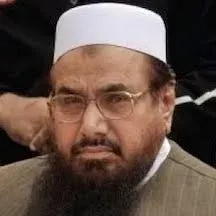
An official from the Intelligence Bureau disclosed that the core of this rift pertains to leadership. Many members of the outfit are questioning the continued effectiveness of Hafiz Saeed at the helm.
They argue that Saeed, at 76, is past his prime and should step aside for a younger leader. Moreover, several in the organization view Saeed as a mere puppet who should occasionally challenge the establishment's authority, the official stated.
Central to this conflict is Saifullah Kasuri, the current second-in-command of Lashkar-e-Taiba.
At 58, Kasuri believes he should be in charge. He has repeatedly advocated for a leadership overhaul, asserting that it's time for the 76-year-old Hafiz Saeed to retire.
While Kasuri enjoys the backing of the younger members, the older faction remains resistant to removing Hafiz Saeed.
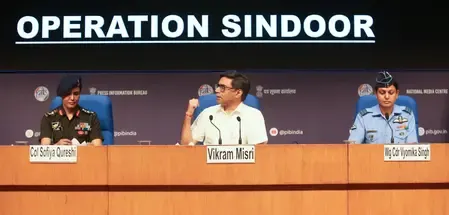
An official noted that tensions have been brewing for almost two years, previously kept under wraps until the Indian military executed 'Operation Sindoor' in retaliation for the Pahalgam terror attack. This incident not only prompted Lashkar-e-Taiba to question the Pakistani establishment but also its leadership.
Many, including Kasuri, have argued that Hafiz Saeed should have openly criticized the establishment for its inability to safeguard them.
Despite the loss of Lashkar-e-Taiba's primary training facility in Muridke, Hafiz Saeed remained silent.
Another official emphasized that many within Lashkar-e-Taiba feel Hafiz Saeed is too old to lead. They contend that he has fulfilled his role and should allow Kasuri to take charge. This disagreement is a significant reason for the discord between the ISI and the Army.
The Army favors Kasuri's leadership, while the ISI insists on retaining Hafiz Saeed.
The ISI argues that Hafiz Saeed is a reliable and proven leader whose loyalty is unquestionable.
Conversely, Kasuri is perceived as a potential rebel, a risk the ISI aims to avoid, according to the official.
While leadership disputes are the primary cause of this significant split, other issues are also contributing factors.
Kasuri believes that Lashkar-e-Taiba's focus should be exclusively on Jammu and Kashmir.
In contrast, Hafiz Saeed has passively accepted Pakistan's evolving strategies, whether concerning the TTP or the Afghan Taliban.
Officials have commented that Operation Sindoor laid bare the weaknesses within Lashkar-e-Taiba.
This operation has exacerbated the challenges for the group, which is struggling to rebuild its reputation.
Consequently, many members have lost confidence in Hafiz Saeed's leadership, particularly in light of his ineffectiveness during and following Operation Sindoor, the official concluded.
Point of View
The unfolding situation within Lashkar-e-Taiba highlights the complexities of Pakistan's internal security framework. The struggle for leadership reflects broader tensions within the establishment, revealing a potential shift in the balance of power among terrorist factions.
NationPress
19 Sept 2026
Frequently Asked Questions
What is causing the rift within Lashkar-e-Taiba?
The rift is primarily due to questions about Hafiz Saeed's leadership effectiveness, with many members advocating for a younger leader such as Saifullah Kasuri.
Who is Saifullah Kasuri?
Saifullah Kasuri is the second-in-command of Lashkar-e-Taiba, who believes that he should lead the group instead of Hafiz Saeed.
What operation heightened tensions within the group?
The tensions escalated following India's 'Operation Sindoor,' which targeted the Pahalgam terror attack, leading to internal questioning of leadership.
How has Hafiz Saeed responded to recent challenges?
Hafiz Saeed has remained silent on critical issues, including the loss of the group's training facility in Muridke, which has disappointed many members.
What are the implications of this leadership struggle?
The leadership struggle could lead to a shift in tactics and focus for Lashkar-e-Taiba, potentially affecting its operations in Jammu and Kashmir.