Uttarakhand Govt Traps Leopard in Pauri Garhwal Village
Synopsis
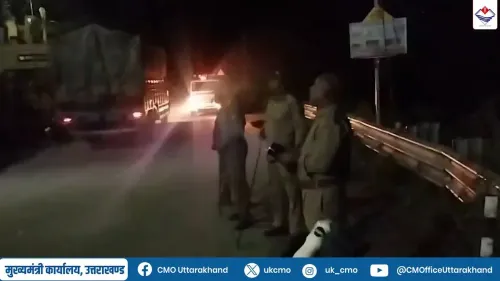
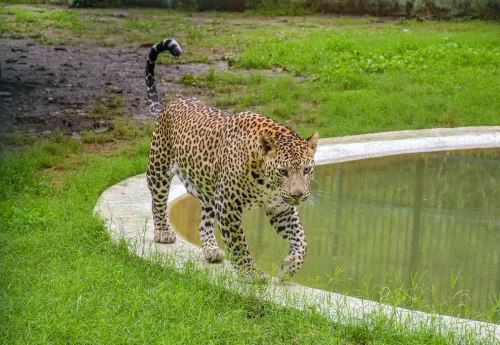
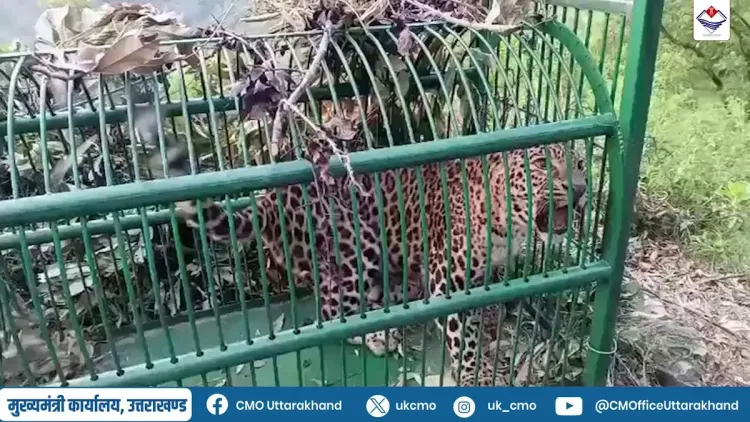
A leopard was successfully trapped in a cage at village Kolakandin in Pauri Garhwal, Uttarakhand, the Chief Minister's Office announced on 19 June 2026, highlighting the state government's active response to rising human-wildlife conflict in hill districts.
Key Takeaways
A leopard was caged at village Kolakandin in Pauri Garhwal district , Uttarakhand, as announced by the Chief Minister's Office on 19 June 2026 .
Leopards are protected under Schedule I of the Wildlife Protection Act, 1972 , requiring strict protocols for their capture and handling.
The MoEFCC's 2021 National Human-Wildlife Conflict Mitigation Strategy mandates states to follow trap-and-translocation guidelines with minimal animal handling.
Habitat fragmentation and expanding settlement boundaries have increased leopard incursions across Uttarakhand's hill districts.
Forest authorities are expected to assess the animal's health before translocating it to a suitable forest zone.
District-level rapid response teams and revision of the state's wildlife damage compensation schedule remain key policy priorities to watch.
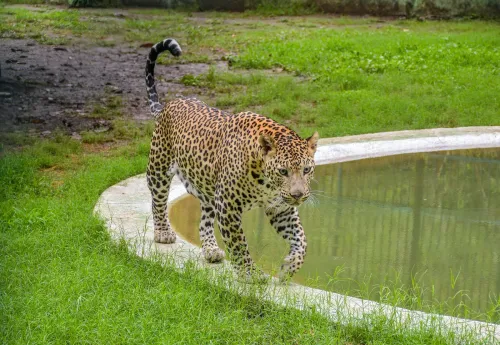
The Chief Minister's Office of Uttarakhand announced on Friday, 19 June 2026 that a leopard was successfully trapped in a cage at village Kolakandin in Pauri Garhwal district, underscoring the state government's ongoing efforts to address human-wildlife conflict in hill settlements.
The official post stated: 'Janapad Pauri Garhwal ke gram Kolakandin mein guldar pinjare mein kaid hua' — 'A leopard was captured in a cage in village Kolakandin of Pauri Garhwal district' — describing the Uttarakhand government as 'sensitive' to preventing incidents of human-wildlife conflict.
Context
Pauri Garhwal is a Himalayan district in Uttarakhand where leopard sightings near human settlements and agricultural land have been a recurring concern. Habitat fragmentation, a declining prey base, and expanding village boundaries have pushed leopards closer to human-dominated landscapes across the state's hill districts. Cage trapping is one of the primary field responses deployed by forest authorities when a big cat poses a direct threat to residents or livestock.Policy Backdrop
Leopards are listed under Schedule I of the Wildlife Protection Act, 1972 (amended 2006), which affords them the highest level of legal protection and strictly governs their capture and handling. The Ministry of Environment, Forest and Climate Change (MoEFCC) issued its National Human-Wildlife Conflict Mitigation Strategy in 2021, directing states to strengthen trap-and-translocation protocols and invest in community awareness programmes. Under these guidelines, captured animals must undergo minimal handling and be released into suitable habitats at the earliest opportunity. State governments are also required to maintain compensation schedules for livestock losses caused by wildlife.Stakeholders and Impact
The most immediate beneficiaries of the capture are the rural villagers of Kolakandin, who face daily risks when a leopard is active near homes and fields. Uttarakhand Forest Department officials, responsible for executing the cage operation and ensuring the animal's safe transfer, are the principal operational stakeholders. Livestock owners in the surrounding area stand to gain relief from predation losses, while wildlife conservationists will watch closely to ensure the captured animal is handled in strict compliance with central guidelines on translocation and welfare.What's Next
Following the capture, forest authorities are expected to assess the leopard's health before deciding on translocation to a suitable forest zone away from human habitation. The state government's response to this incident will also be watched in the context of broader efforts to roll out district-level rapid response teams for wildlife emergencies across Uttarakhand. Any revision to the state's compensation schedule for wildlife damage — a key incentive for community cooperation — remains a policy question that advocates have been pressing. Sustained conflict-mitigation measures, rather than reactive cage trapping alone, will determine the long-term safety of both villagers and wildlife in the region's fragile hill ecosystem.Point of View
The CMO is reinforcing a narrative of proactive governance ahead of what remains a persistent ecological challenge. However, reactive cage trapping, while immediately reassuring, does not address the structural drivers — habitat loss and prey depletion — that push leopards into human settlements. The real test will be whether this incident accelerates the rollout of rapid response teams and a revised compensation framework that keeps communities invested in coexistence rather than retaliation.
NationPress
18 Sept 2026
Frequently Asked Questions
Why was a leopard trapped in Pauri Garhwal?
A leopard was trapped in a cage at village Kolakandin in Pauri Garhwal to prevent human-wildlife conflict, as announced by the Uttarakhand Chief Minister's Office on 19 June 2026. Leopard incursions near settlements have been a recurring problem in Uttarakhand's hill districts due to habitat fragmentation and shrinking prey base.
What happens to a leopard after it is caught in a cage trap in Uttarakhand?
After capture, the Uttarakhand Forest Department assesses the leopard's health and then translocates it to a suitable forest habitat away from human settlements, following guidelines under the Wildlife Protection Act, 1972 and the MoEFCC's 2021 National Human-Wildlife Conflict Mitigation Strategy.
Is the leopard a protected animal in India?
Yes, the leopard is listed under Schedule I of the Wildlife Protection Act, 1972, which provides it the highest level of legal protection in India. Any capture or handling must follow strict government protocols.
What is the Uttarakhand government doing about human-wildlife conflict?
The Uttarakhand government deploys cage traps when leopards threaten villages, provides compensation for livestock losses, and is working towards district-level rapid response teams. The state follows the MoEFCC's 2021 national strategy for human-wildlife conflict mitigation.
Which village in Pauri Garhwal had a leopard captured?
The leopard was captured at village Kolakandin in Pauri Garhwal district, Uttarakhand, as confirmed by the Chief Minister's Office on 19 June 2026.