Did Judge Swaminathan's Actions Diminish Trust in the Judiciary?
Click to start listening
Synopsis
In a significant political move, DMK MP Kanimozhi Karunanidhi points to Judge G.R. Swaminathan's actions as detrimental to public faith in the judicial system. This impeachment motion reflects growing tensions in the judiciary and politics, questioning the integrity of judicial processes in contemporary India.
Key Takeaways
- Political unity among opposition parties is evident in the impeachment motion.
- Judicial impartiality is a core concern raised by the allegations against the judge.
- The situation illustrates the tension between law and political influence.
- Public faith in the judicial system is critical for democracy.
- The ongoing protests highlight societal divides over religious and judicial matters.
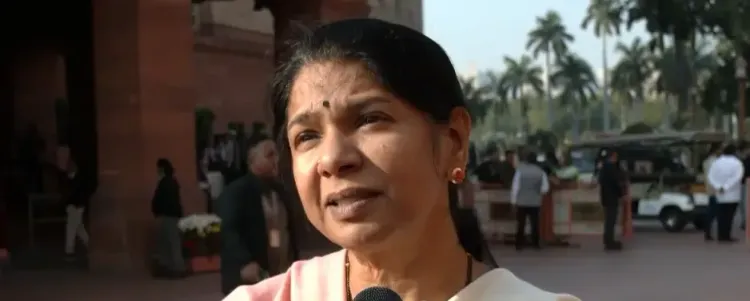
New Delhi, Dec 11 (NationPress) Regarding the motion to impeach Madras High Court Judge Justice G.R. Swaminathan, DMK MP Kanimozhi Karunanidhi stated that his actions have led to a significant erosion of public faith in the judicial system.
In remarks made to IANS outside Parliament, Kanimozhi Karunanidhi emphasized, “The DMK, along with various opposition parties, has united to initiate this impeachment motion against Justice Swaminathan of the Tamil Nadu High Court.”
“His actions have caused the public to lose faith and confidence in our judicial system, and he has acted in contravention of the Constitution and its promises to citizens. We have presented instances where his rulings appeared biased, including favoritism towards particular lawyers and ideologies, which is unacceptable in a secular nation,” she stated during her conversation with IANS.
On Tuesday, the DMK submitted a notice featuring 120 signatures to the Speaker, calling for impeachment proceedings against Justice G.R. Swaminathan.
Kanimozhi, along with DMK Parliamentary Party leader T.R. Baalu, Samajwadi Party leader Akhilesh Yadav, and Congress leader Priyanka Gandhi Vadra, delivered the impeachment notice to Lok Sabha Speaker Om Birla.
The impeachment notice, dated December 9, was filed under Articles 217 and 124 of the Constitution of India, seeking the removal of the Madras High Court judge.
The notice accused him of compromising judicial impartiality and transparency, claiming undue favoritism towards a senior advocate and lawyers from a specific community. It also alleged that several verdicts seemed to be swayed by political ideologies, contradicting the secular tenets of the Constitution.
Included in the motion were copies of correspondences addressed to the President of India and the Chief Justice of India.
This move comes amid ongoing tensions surrounding the lighting of the traditional Karthigai Deepam lamp at Thiruparankundram hill, which houses both a temple and a nearby dargah, following the judge’s ruling that permitted the ritual.
According to the verdict, the lamp was to be lit on the 'Deepathoon' pillar by December 4. The ruling dismissed objections from temple authorities and dargah management, asserting that the act would not infringe upon the religious rights of the Muslim community. The court also mandated that a small group of devotees, accompanied by security personnel, be allowed to perform the ritual.
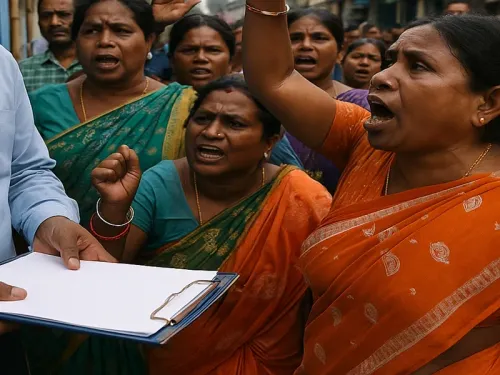
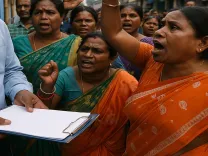
However, the state government chose not to enforce the ruling, citing concerns over law and order. This decision sparked protests from pro-Hindu groups, resulting in clashes with police, escalating into a significant political and judicial confrontation.
Point of View
It's imperative to observe that the impeachment motion against Justice G.R. Swaminathan reflects a larger narrative of accountability in the judiciary. The concerns raised over judicial integrity must be addressed to preserve public trust and uphold the principles of democracy. The situation warrants close monitoring as it unfolds, revealing the intricate relationship between law and politics in our nation.
NationPress
11/12/2025
Frequently Asked Questions
What led to the impeachment motion against Justice Swaminathan?
The impeachment motion was initiated due to allegations that Justice Swaminathan's conduct compromised judicial impartiality and raised concerns about bias in his rulings.
Who are the key political figures involved in the impeachment process?
Key figures include DMK MP Kanimozhi Karunanidhi, DMK Parliamentary Party leader T.R. Baalu, Samajwadi Party leader Akhilesh Yadav, and Congress leader Priyanka Gandhi Vadra.
What does the impeachment notice allege?
The notice alleges that Justice Swaminathan showed undue favoritism towards certain lawyers, and that his verdicts were influenced by political ideologies, violating the secular principles of the Constitution.
What was the controversy surrounding the Karthigai Deepam lamp?
The controversy involves a judge's ruling allowing the lighting of a lamp at Thiruparankundram, which sparked protests and law-and-order concerns, leading the state government to decline implementation.
How does this situation reflect on public trust in the judiciary?
The situation highlights significant public concern regarding the impartiality of the judicial system, raising questions about accountability and transparency within the judiciary.