Maharashtra Cabinet clears ₹5,000 advance aid for drought-hit farmers
Synopsis
The Maharashtra cabinet under Chief Minister Devendra Fadnavis has approved ₹5,000 in advance financial aid for drought-hit farmers, offering an early cash cushion before formal crop-loss assessments are completed — particularly critical for chronically parched Marathwada and Vidarbha regions.
Key Takeaways
The Maharashtra cabinet approved ₹5,000 advance aid per drought-affected farmer on 28 October 2026 .
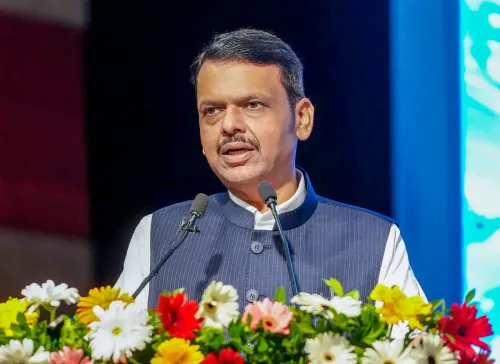
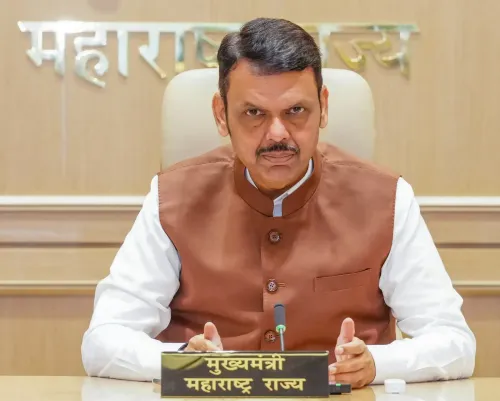
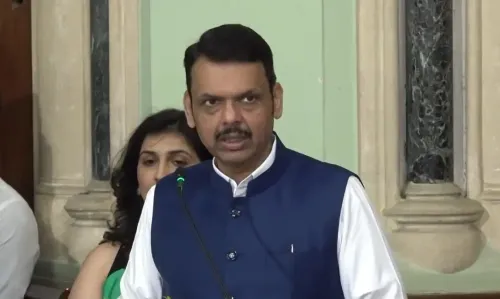
The decision was taken under Chief Minister Devendra Fadnavis .
The advance is designed to disburse before formal crop-loss verification is completed, providing a faster relief bridge.
Drought-prone regions of Marathwada and Vidarbha are among the primary beneficiaries of such relief measures historically.
Speed of disbursement through district administration and bank-linked farmer accounts will determine the scheme's on-ground impact.
Maharashtra has a recurring pattern of advance aid and compensation packages in response to deficient monsoons affecting rain-fed crops like cotton and soybean.
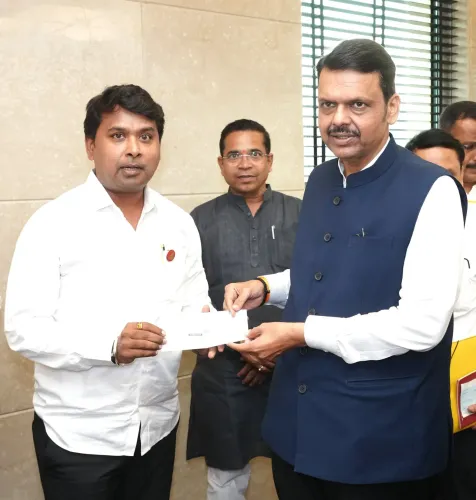
When crops fail and the monsoon betrays, the first question on every farmer's mind is how fast relief will arrive. The Chief Minister's Office of Maharashtra answered that question on Wednesday, 28 October 2026, announcing that the state cabinet has approved an advance financial aid of ₹5,000 for farmers hit by drought across the state.
What the cabinet approved and who it reaches
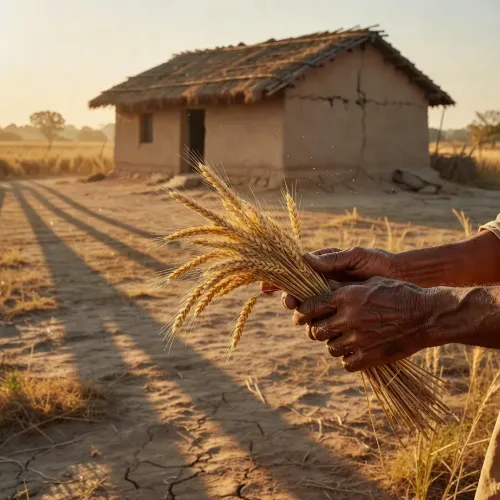
The decision, taken under Chief Minister Devendra Fadnavis, fast-tracks a direct cash advance to drought-affected cultivators — a mechanism designed to put money in farmers' hands before the slower machinery of formal crop-loss assessment catches up. In seasons of deficient rainfall, that lead time can mean the difference between a farmer buying seeds for the next cycle or sinking deeper into debt.
The ₹5,000 figure functions as a bridge payment — an upfront cushion while the state completes district-level surveys and finalises full compensation entitlements. Advance aid of this kind has been a recurring instrument in Maharashtra's relief toolkit, particularly for the chronically drought-prone regions of Marathwada and Vidarbha.
Maharashtra's long drought belt — why Marathwada and Vidarbha carry the heaviest load
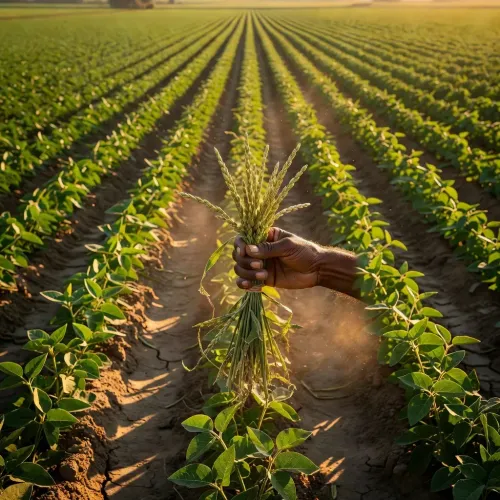
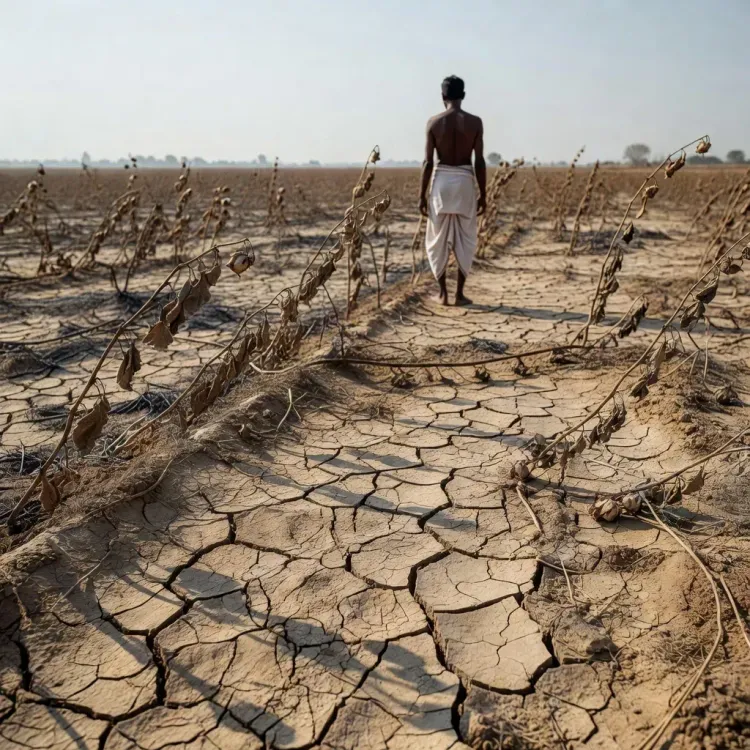
Maharashtra's geography makes it one of India's most drought-vulnerable states. Marathwada — spanning districts like Latur, Osmanabad, Beed, and Nanded — and Vidarbha, covering Amravati and Nagpur divisions, routinely record below-average monsoon rainfall. Farmers here depend overwhelmingly on rain-fed agriculture: cotton, soybean, and pulses dominate, all crops with little tolerance for dry spells at critical growth stages.
Successive state governments have responded with advance aid packages, loan waivers, and tanker water supply — a cycle that reflects both the scale of rural distress and the political weight Maharashtra's farming community carries. The Fadnavis cabinet now adds this ₹5,000 advance to that pattern, with rollout timelines for direct disbursement to eligible farmers the critical variable to watch.
Speed of disbursement — the test that follows every announcement
Announcing relief and delivering it are two different things. Maharashtra has historically struggled with the gap between cabinet-level approvals and money reaching the last farmer in a taluka. The advance mechanism is structurally better suited to speed than full compensation because it bypasses time-consuming crop-loss verification — but district administration bandwidth, beneficiary database accuracy, and bank-linkage of farmer accounts will determine whether this advance lands in weeks or months.
For CM Fadnavis, a smooth and swift rollout carries real political stakes. Maharashtra's rural distress has shaped election outcomes in the past, and visible, timely relief delivery is one of the clearest signals a government can send to an agricultural constituency under pressure.
The cabinet has fired the first shot. The farmers waiting in parched fields are keeping score on what comes next.
Point of View
000 advance aid approval fits Maharashtra's established pattern of using fast-disbursement bridge payments to manage political and humanitarian fallout from drought — a pressure the state faces with near-annual regularity in Marathwada and Vidarbha. For CM Fadnavis, the announcement is as much a governance signal as a welfare measure: in a state where agrarian distress has historically swung assembly seats, visibly moving at cabinet speed on farmer relief is a calculated political investment. The real test, however, is operational — Maharashtra's past relief cycles have revealed a persistent execution gap between cabinet approval and last-mile delivery, and that gap is where the credibility of this announcement will ultimately be judged. Analysts will watch whether this advance is followed by a comprehensive drought-mitigation package or remains a standalone gesture.
NationPress
28 Oct 2026
Frequently Asked Questions
What is the Maharashtra government's ₹5,000 advance aid for farmers?
The Maharashtra cabinet approved a ₹5,000 advance financial payment for farmers affected by drought. It is a bridge payment meant to reach farmers quickly, before formal crop-loss assessments are finalised.
Who approved the drought relief for Maharashtra farmers?
The relief was approved by the Maharashtra state cabinet under Chief Minister Devendra Fadnavis, as announced on 28 October 2026.
Which regions of Maharashtra are most affected by drought?
Marathwada — including districts like Latur, Beed, and Nanded — and Vidarbha are Maharashtra's most chronically drought-prone regions, and are typically the primary focus of state drought-relief measures.
How will the ₹5,000 advance aid be distributed to farmers?
Disbursement will depend on district administration and bank-linked farmer accounts. Rollout timelines and the exact distribution mechanism are subject to follow-up announcements from the state government.
Is ₹5,000 the full drought compensation for Maharashtra farmers?
No — this is an advance payment to provide immediate relief. Full compensation is typically determined after formal district-level crop-loss surveys and assessments are completed.