Maharashtra CMO says Nagpur's Buddhist prominence is growing
Synopsis
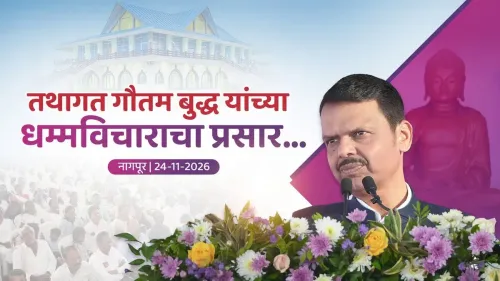
The Maharashtra Chief Minister's Office says Nagpur's prominence on the global Buddhist map is growing. Its post tagged Devendra Fadnavis and referenced Dragon Palace, drawing attention to a region that includes the historic Deekshabhoomi pilgrimage site.
Key Takeaways
The Maharashtra Chief Minister's Office said Nagpur's prominence on the global Buddhist map is growing.
The November 25, 2026 post tagged Chief Minister Devendra Fadnavis and referenced Dragon Palace.
The post provided no figures to measure the claimed growth.
Nagpur's Deekshabhoomi is the site of B.R.
Ambedkar's 1956 mass conversion to Buddhism.
The central Swadesh Darshan scheme identified Buddhist sites, including in Maharashtra, for tourism infrastructure development.
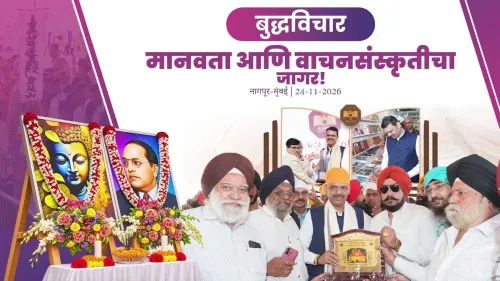
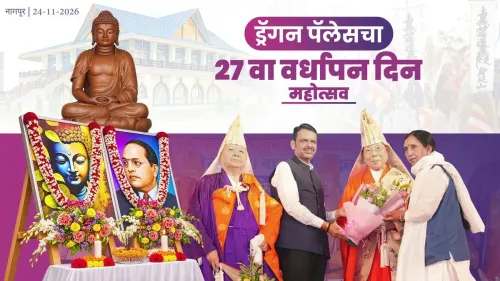
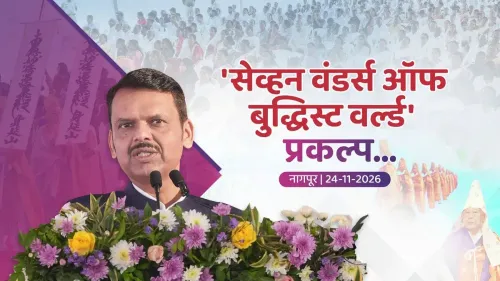
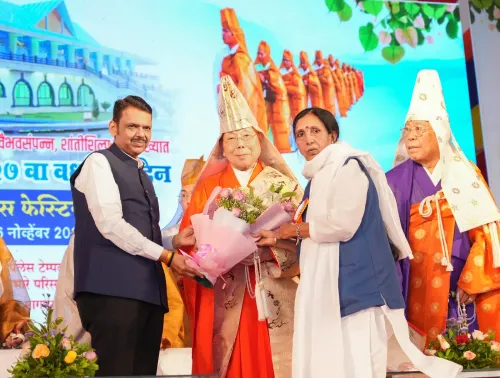
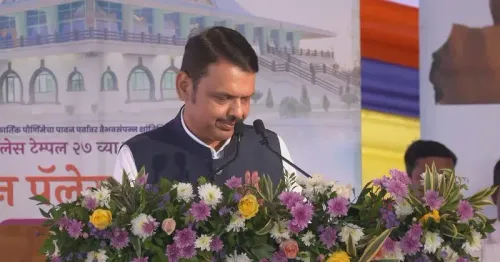
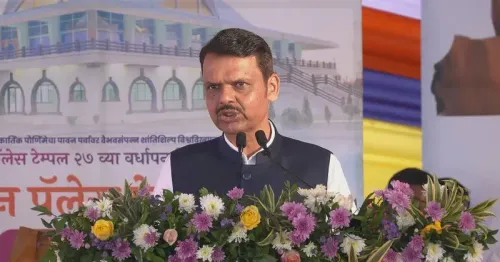
The Chief Minister's Office of Maharashtra has highlighted Nagpur's place on the global Buddhist map, saying its prominence is growing in a post on November 25, 2026. The post tagged Chief Minister Devendra Fadnavis and included a reference to Dragon Palace, a Buddhist temple complex near the city.
Nagpur's Buddhist heritage
The office wrote: 'Nagpur's prominence on global Buddhist map growing'. The post did not provide figures to measure that growth or explain the specific context of the Dragon Palace reference.
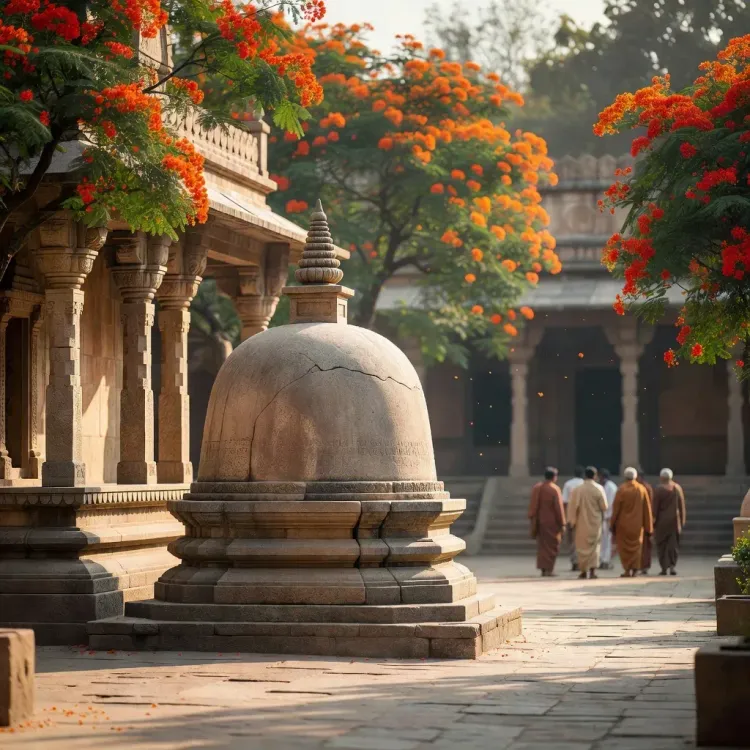
Nagpur, Maharashtra's winter capital, is home to Deekshabhoomi, where B.R. Ambedkar led a mass conversion to Buddhism in 1956. That history and nearby Buddhist sites give the city a significant place in India's pilgrimage landscape.
Dragon Palace and the Buddhist circuit
The Dragon Palace temple complex is among the sites associated with the region's Buddhist heritage and international Buddhist connections. Successive Maharashtra governments have highlighted that heritage as part of efforts to position Nagpur as a pilgrimage destination.
National tourism policy has also recognised the potential of Buddhist sites. The central government's Swadesh Darshan scheme, launched in 2014-15, identified sites across India, including in Maharashtra, for tourism infrastructure development.
The CMO's post places Nagpur back in that wider conversation. Future tourism announcements and budget allocations will show whether the emphasis is followed by specific investment in the region's Buddhist sites.
Point of View
Making future budget and tourism decisions the more concrete measures to watch.
NationPress
25 Nov 2026
Frequently Asked Questions
What did Maharashtra CMO say about Nagpur and Buddhism?
The office said Nagpur's prominence on the global Buddhist map is growing. Its post tagged Chief Minister Devendra Fadnavis and referenced Dragon Palace.
Why is Nagpur important to Buddhists?
Nagpur is home to Deekshabhoomi, where B.R. Ambedkar led a mass conversion to Buddhism in 1956. The city and surrounding region also have other Buddhist sites, including Dragon Palace.
What is Dragon Palace near Nagpur?
Dragon Palace is a Buddhist temple complex near Nagpur. It is frequently referenced in state communications about international Buddhist links.
Did the CMO announce funding for Nagpur Buddhist sites?
No funding announcement appears in the post. It also does not provide figures for the claimed growth in Nagpur's prominence.