Jharkhand Assembly seeks fresh SIR under revised rules
Synopsis
Jharkhand's government says more than 38 per cent of the electorate has either been left off the draft voter list or issued notices. It has moved an Assembly resolution seeking suspension of the current SIR format and a fresh exercise after consultations on revised procedures.
Key Takeaways
The Jharkhand Assembly began a two-day special session in Ranchi on 25 November .
The state government moved a resolution seeking a fresh electoral roll SIR after revised procedures are finalised.
Radhakrishna Kishore said around 2.21 crore names appeared on the draft roll against approximately 2.64 crore registered voters.
The government said more than 38 per cent of the electorate had either been excluded from the draft list or issued notices.
BJP legislators protested outside the Assembly over recruitment examinations, employment and other issues.
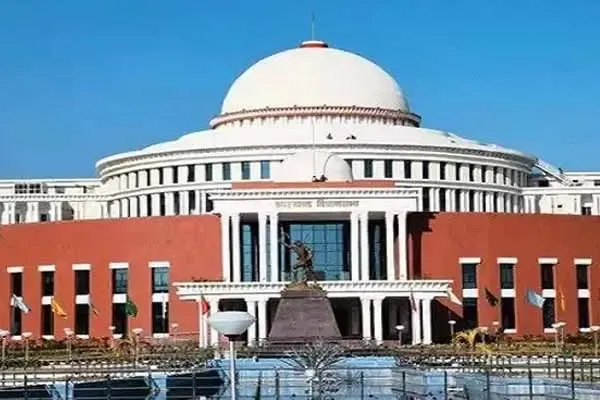
The Jharkhand Assembly began a two-day special session in Ranchi on 25 November, with the state government moving a resolution seeking a fresh Special Intensive Revision (SIR) of electoral rolls under revised procedures. The government called for the current exercise in its existing format to be suspended while procedural, technical and documentation concerns are addressed.
The session was convened to discuss the SIR and the Mines and Minerals (Development and Regulation) Act. On the opening day, the government said it accepted the electoral roll revision in principle but wanted a framework that accounted for difficulties faced by eligible voters.
Resolution seeks consultations and revised procedures
The resolution asks the Centre to consult all states and political parties before proceeding further with the exercise. It proposes simple, transparent and universally acceptable standard operating procedures (SOPs), developed through extensive discussions with parties irrespective of their size.
Once revised guidelines are finalised, the government wants a fresh SIR conducted in Jharkhand. It plans to send the resolution to the Centre following its approval by the Assembly.
The distinction is that the government is not opposing revision in principle; its objection is to the way the current exercise is being conducted. The proposed consultation would extend beyond Jharkhand to include other states and political parties.
Government cites draft roll and notice figures
Parliamentary Affairs Minister Radhakrishna Kishore told the House that Jharkhand has approximately 2.64 crore registered voters, while around 2.21 crore names appear on the draft electoral roll. He said this meant nearly 16 per cent of voters had been excluded from the draft list.
Kishore also said notices had been issued to approximately 27 per cent of voters whose details were considered doubtful. According to the state government, more than 75 per cent of those notices concerned logical discrepancies in names and other information.
The government argued that more than 38 per cent of the total electorate had either been excluded from the draft list or issued notices. These are the figures presented by the state government during the Assembly session.
Documentation concerns for eligible voters
The resolution identified several groups that could face difficulties arranging and verifying prescribed documents, citing the state's social and geographical conditions. They include tribal communities, particularly Particularly Vulnerable Tribal Groups (PVTGs), migrant workers, students studying in other states, older people, and widowed and divorced women.
It also noted that some people have different dates of birth across government documents, complicating verification. The government questioned the Election Commission's decision not to include Khatian records among accepted documents.
The resolution referred to the deletion of names and the appeals process during the SIR exercise in West Bengal. Invoking Article 326 of the Constitution, the government maintained that no eligible citizen should be deprived of the right to vote and that the process should preserve public confidence in elections.
Opposition protest and next steps
Outside the Assembly on the first day, Bharatiya Janata Party (BJP) legislators protested over recruitment examinations, employment and other issues. The special session also has the Mines and Minerals (Development and Regulation) Act on its agenda.
The state government's stated next step is to forward its SIR resolution to the Centre if the Assembly approves it. The resolution seeks consultations and revised guidelines before a fresh exercise is undertaken in Jharkhand.
Point of View
Notices and any overlap are counted. The Centre and election authorities should make the procedures and avenues for correction accessible, especially to people whose documents contain inconsistencies.
NationPress
25 Nov 2026
Frequently Asked Questions
What has Jharkhand proposed for the electoral roll SIR?
The Jharkhand government has moved a resolution seeking suspension of the current SIR format and a fresh revision after revised guidelines are finalised. It says it supports the exercise in principle.
How many voters are on Jharkhand's draft electoral roll?
Parliamentary Affairs Minister Radhakrishna Kishore said around 2.21 crore names were on the draft roll. He put the number of registered voters at approximately 2.64 crore.
Why does the Jharkhand government want revised SIR procedures?
The government has cited procedural, technical and documentation difficulties that it says could affect eligible voters. It has also questioned the exclusion of Khatian records from accepted documents.
Who could face difficulties during the voter roll revision?
The resolution identifies tribal communities, migrant workers, students studying outside Jharkhand, older people, and widowed and divorced women as groups that could face documentation difficulties. It also cites inconsistencies in dates of birth across government records.
What happens next to the Jharkhand SIR resolution?
The state government plans to forward the resolution to the Centre following its approval by the Assembly. It seeks consultations with all states and political parties before revised guidelines are finalised.