Maharashtra grants OBC-equivalent education benefits to Maratha students from 2026-27
Synopsis
Days after Manoj Jarange-Patil ended his fast, Maharashtra quietly issued a Government Resolution granting Maratha students full OBC-equivalent educational benefits — scholarships, fee reimbursements across 16 components, and vocational training access — starting 2026-27. The real test now is whether the MahaDBT portal and departmental budgets are ready before the academic cycle begins.
Key Takeaways
The Maharashtra government issued a Government Resolution (GR) on 5 June granting Maratha students all educational benefits available to OBC students .
Benefits are effective from academic year 2026–27 and cover scholarships, fee reimbursement across 16 components , and vocational training schemes.
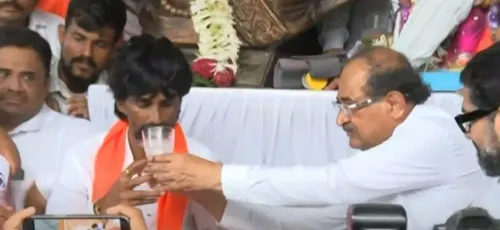
The GR follows activist Manoj Jarange-Patil withdrawing his fast after sustained pressure for Maratha educational parity.
The General Administration Department (GAD) has directed multiple departments to implement the schemes, pending MahaDBT portal upgrades and independent budget allocation.
The move does not constitute a formal reservation quota but delivers welfare parity through an administrative order.
The Maharashtra government on Friday, 5 June issued a formal Government Resolution (GR) extending all educational concessions and welfare schemes available to Other Backward Classes (OBC) students to those from the Maratha community, effective from the current academic year 2026–27. The move comes days after pro-Maratha reservation activist Manoj Jarange-Patil withdrew his fast, and follows sustained pressure on the state government to deliver on educational parity for Maratha students.
What the GR Covers
Under the resolution, Maratha students will gain access to a broad range of benefits previously restricted to OBC students. These include post-matric scholarship schemes, scholarships for primary, secondary, and higher secondary students, and fee reimbursement covering 16 different academic components for students enrolled in aided and unaided colleges.
Additional benefits include the Motor Vehicle Driver and Conductor Training Scheme implemented through the Chhatrapati Shahu Maharaj Research, Training and Human Development (SARATHI) institute, and a Vocational Training Fee Reimbursement Scheme for candidates enrolled in private Industrial Training Institutes (ITIs) and under Public-Private Partnership (PPP) seats in government ITIs.
The GR also extends coverage to state residents pursuing aided and unaided professional courses in other states. Maratha students who secure admission against vacant seats at the institutional level — approved by the Admissions Regulating Authority after the completion of the Centralised Admission Process (CAP) — will also be eligible for these concessions.
Departments Directed to Implement
The General Administration Department (GAD) issued the formal orders to streamline implementation across several key departments: School Education and Sports, Higher and Technical Education, Medical Education, Agriculture, Animal Husbandry, Dairy Development and Fisheries, and Skill, Employment, Entrepreneurship and Innovation Development.
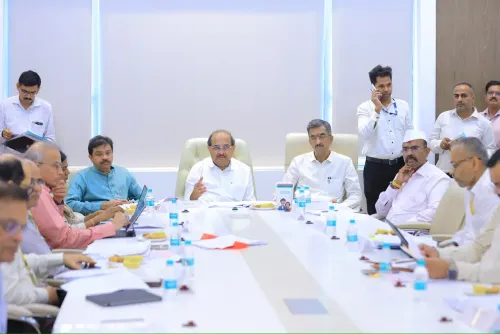
The GR noted that rollout requires independent budget allocation, technical modifications to the MahaDBT portal, and direct instructions to all concerned departments — bottlenecks that the Maratha Reservation Sub-Committee had identified in a recent meeting before the orders were issued.
Background: Jarange-Patil's Campaign
Activist Manoj Jarange-Patil had repeatedly alleged that educational concessions equivalent to OBC benefits existed on paper for Maratha students but that implementation had remained ineffective. His fast — the latest in a series of agitations demanding Maratha reservation and allied benefits — drew significant political attention before he withdrew it earlier this week.
This is not the first time the Maharashtra government has announced measures in response to Maratha reservation demands. The community's legal and political battle for reservation has spanned several years, including a Supreme Court ruling that struck down an earlier state quota law. The OBC-equivalent educational benefits represent a parallel track — one that does not require a constitutional reservation quota but delivers welfare parity through administrative orders.
What Happens Next
With the GR now in place, the focus shifts to implementation: whether the MahaDBT portal is updated in time for the 2026–27 academic cycle, and whether departmental budgets are allocated before the scholarship disbursement deadlines. Maratha community groups and Jarange-Patil's supporters are expected to monitor the rollout closely, given past allegations of delayed execution.
Point of View
The announcement risks becoming another data point in Jarange-Patil's argument that implementation, not intent, is the real problem.
NationPress
20 Sept 2026
Frequently Asked Questions
What educational benefits will Maratha students receive under the new Maharashtra GR?
Maratha students will now receive all educational concessions available to OBC students, including post-matric scholarships, scholarships for primary to higher secondary students, fee reimbursement covering 16 academic components, vocational training fee reimbursement at private ITIs, and coverage for professional courses pursued in other states. The benefits apply from academic year 2026-27.
Why did the Maharashtra government issue this GR now?
The GR was issued days after pro-Maratha activist Manoj Jarange-Patil withdrew his fast, during which he had demanded OBC-equivalent educational benefits for Maratha students. The Maratha Reservation Sub-Committee had recently identified implementation roadblocks, prompting the General Administration Department to issue formal orders.
Does this GR grant Maratha students a formal OBC reservation quota?
No. The GR extends educational welfare schemes and concessions on par with OBC students through an administrative order, but does not create a formal reservation quota. The constitutional question of Maratha reservation remains unresolved following a Supreme Court ruling that struck down an earlier state quota law.
Which government departments are responsible for implementing the new benefits?
The GAD has directed School Education and Sports, Higher and Technical Education, Medical Education, Agriculture, Animal Husbandry, Dairy Development and Fisheries, and Skill, Employment, Entrepreneurship and Innovation Development departments to implement the schemes. Technical modifications to the MahaDBT portal and independent budget allocations are also required.
Who is Manoj Jarange-Patil and what role did he play in this decision?
Manoj Jarange-Patil is a prominent pro-Maratha reservation activist who has led multiple fasts and agitations demanding reservation and educational parity for the Maratha community. He had alleged that OBC-equivalent educational benefits existed on paper but were not being effectively implemented, and his latest fast — withdrawn earlier this week — preceded the issuance of this GR.