CM Majhi Hails Priya Ghanghas's Bronze at Asian Games 2026
Synopsis
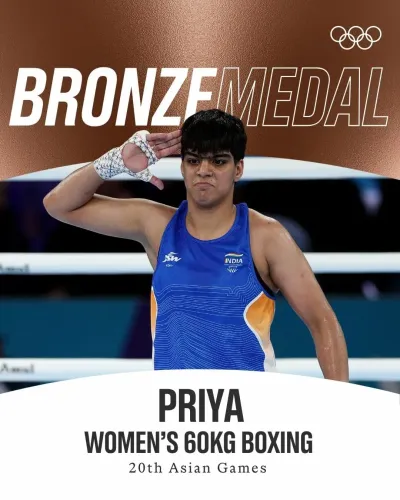
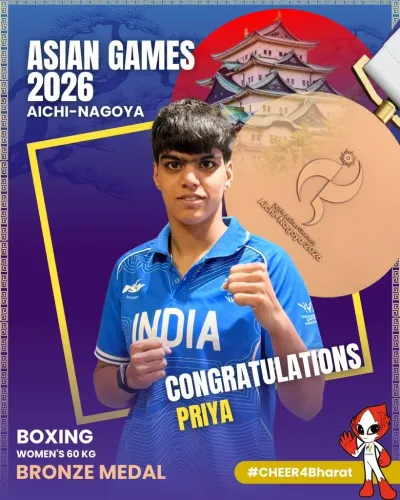
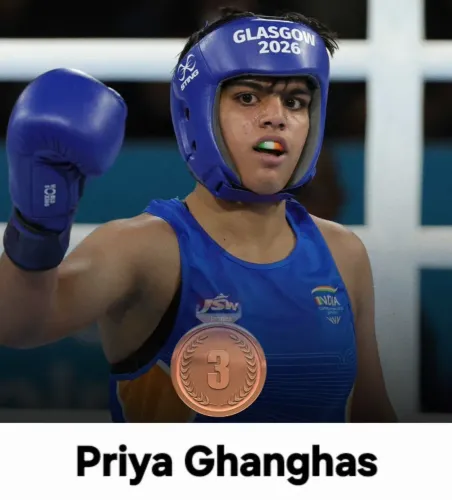
Odisha Chief Minister Mohan Charan Majhi congratulated boxer Priya Ghanghas on winning a Bronze Medal in the Women's 60kg event at the Asian Games 2026 in Japan, praising her courage and fighting spirit under the Nari Shakti banner.
Key Takeaways
Priya Ghanghas won a Bronze Medal in Women's 60kg Boxing at the Asian Games 2026 hosted by Japan .
Odisha CM Mohan Charan Majhi publicly congratulated Ghanghas via X on September 30, 2026 .
Majhi's message was tagged #NariShakti , linking the win to India's women's empowerment narrative.
The Asian Games are a quadrennial continental multi-sport event; the 2026 edition is hosted by Japan.
Indian state leaders routinely use such platforms to amplify national sporting success and advocate for women athletes.
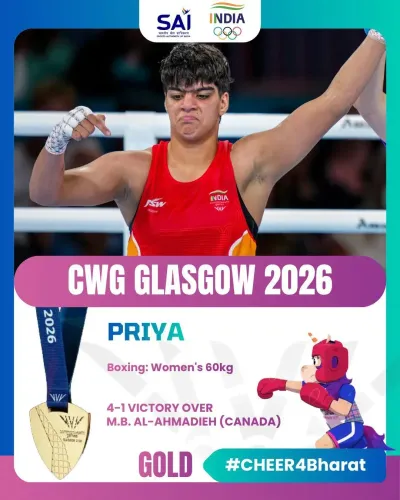
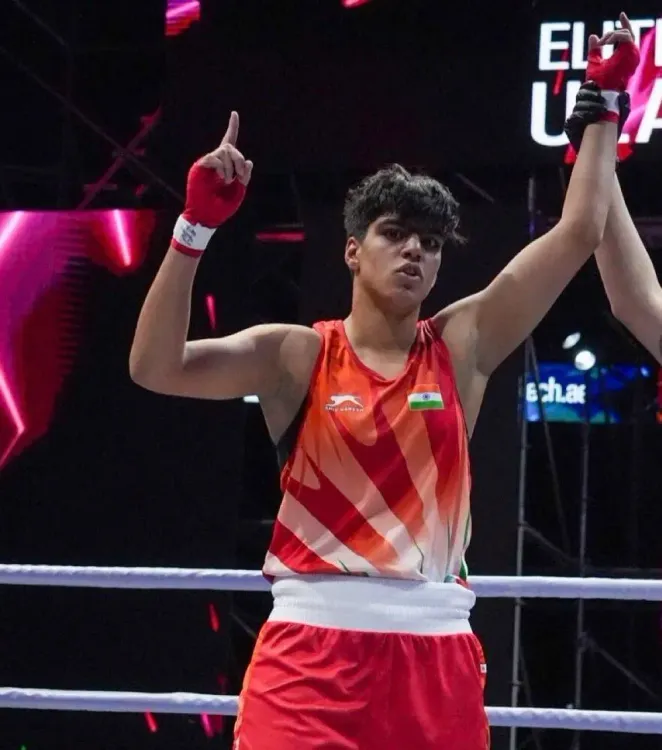
A bronze medal in the boxing ring, and a nation's applause from the highest offices — Odisha Chief Minister Mohan Charan Majhi on Wednesday, September 30, 2026, extended his congratulations to boxer Priya Ghanghas after she clinched a Bronze Medal in the Women's 60kg Boxing event at the Asian Games 2026.
Majhi wrote: 'Heartiest congratulations to Priya Ghanghas on winning the Bronze Medal in the Women's 60kg Boxing event at the Asian Games 2026. Her courage, determination and fighting spirit have made the nation proud.' The message, tagged under #NariShakti, framed the achievement within a broader narrative of women's empowerment through sport — a framing that has become a consistent feature of how Indian leaders celebrate female athletes on the continental stage.
Priya Ghanghas Steps onto the Asian Podium
The Asian Games 2026, hosted by Japan, mark the latest edition of Asia's premier quadrennial multi-sport competition. For Indian boxing, a Women's 60kg podium finish adds meaningful weight to the country's continental medal tally. Ghanghas's bronze places her among the small, hard-earned cohort of Indian women boxers who have converted international promise into continental hardware.
Nari Shakti as a Sporting Frame
The hashtag #NariShakti — loosely translating to 'the power of women' — has become a near-universal fixture when Indian political leaders celebrate female athletic achievement. It signals more than routine congratulation: it connects individual sporting success to a wider political and cultural push to spotlight women in arenas, tracks, and rings that were long considered male-dominated. Chief Minister Majhi's post fits squarely into that pattern, reinforcing the idea that a medal won abroad resonates at every level of Indian governance.
With the 2028 Olympics now firmly in sight, performances like Ghanghas's at a continental championship carry extra significance — they are the qualifying proof-of-concept that shapes selection pipelines and, often, state-level infrastructure investment decisions.
Point of View
Warm, and strategically hashtagged. The consistent use of 'Nari Shakti' by leaders across party lines signals that women's athletic achievement has become a durable political currency in India, not merely a ceremonial gesture. With the 2028 Olympics cycle now underway, such public endorsements from state executives can translate into tangible pressure for boxing infrastructure funding and athlete welfare support. The real test will be whether the applause is followed by policy.
NationPress
30 Sept 2026
Frequently Asked Questions
Who is Priya Ghanghas?
Priya Ghanghas is an Indian boxer who won a Bronze Medal in the Women's 60kg event at the Asian Games 2026 held in Japan.
Where are the Asian Games 2026 being held?
The Asian Games 2026 are hosted by Japan, continuing the quadrennial tradition of Asia's premier continental multi-sport competition.
What did Odisha CM Mohan Charan Majhi say about Priya Ghanghas?
CM Majhi extended 'heartiest congratulations' to Ghanghas, praising her 'courage, determination and fighting spirit' for making the nation proud.
What is Nari Shakti and why is it used in this context?
'Nari Shakti' means the power of women in Hindi. Indian leaders frequently use the term to frame female athletes' achievements as symbols of women's empowerment.
What weight category did Priya Ghanghas compete in at Asian Games 2026?
Priya Ghanghas competed in the Women's 60kg Boxing category, winning a Bronze Medal at the Asian Games 2026.