Mamata Banerjee Pays Tribute to 1993 Shahid Dibas Martyrs
Synopsis
West Bengal Chief Minister Mamata Banerjee on 21 July 2026 paid tribute to the martyrs killed in a 1993 police firing, marking Shahid Dibas. She called on the Maa-Mati-Manush family to uphold democracy and justice, reaffirming the TMC's foundational political identity ahead of the state's election cycle.
Key Takeaways
West Bengal CM Mamata Banerjee marked Shahid Dibas on 21 July 2026 with a tribute post on X.
The day commemorates the deaths of Youth Congress workers during a 1993 police firing at a rally led by Banerjee against the Left Front government.
The TMC has observed 21 July as Martyrs' Day annually since at least the early 2000s.
Banerjee invoked the Maa-Mati-Manush identity, urging members to uphold democracy, justice, and people's rights.
The observance doubles as a key organisational moment for the TMC ahead of the 2026-2027 West Bengal election cycle.
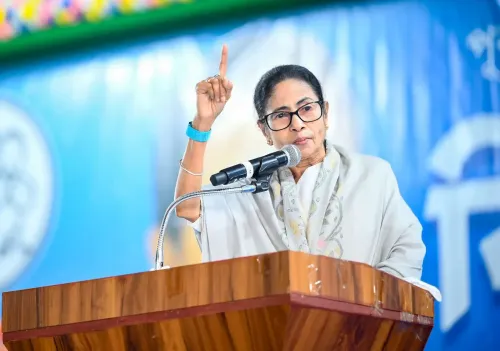
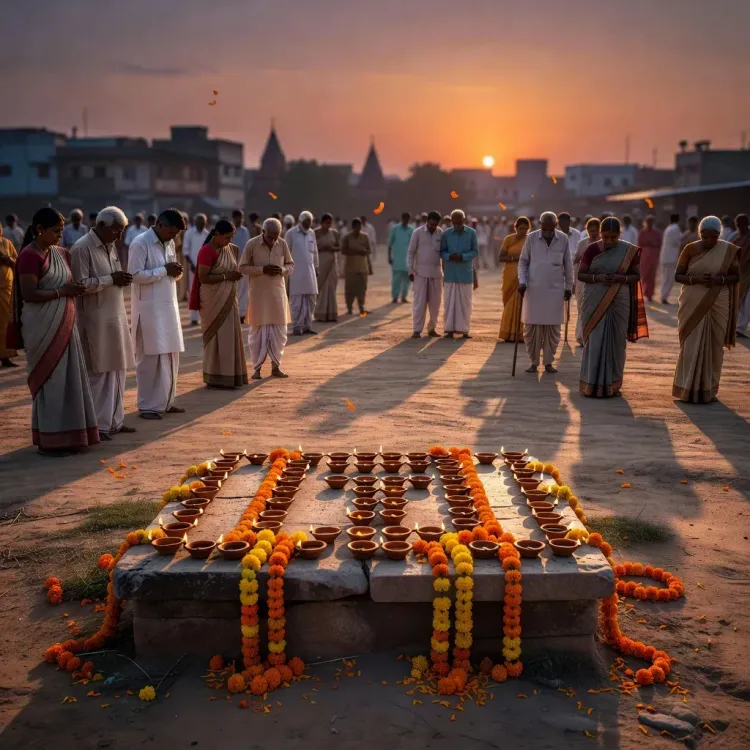
West Bengal Chief Minister Mamata Banerjee on Tuesday, 21 July 2026, paid tribute to the martyrs who died during a 1993 rally, marking Shahid Dibas — the annual day of remembrance observed by the All India Trinamool Congress (TMC). In a post on X, she called on every member of the Maa-Mati-Manush family to uphold democracy, justice, and the rights of the people.
Context
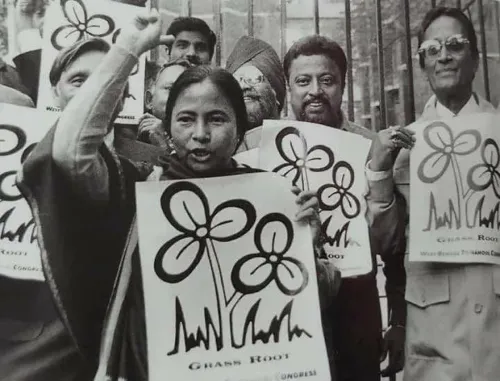
On 21 July 1993, Youth Congress workers were killed in a police firing during a rally led by Mamata Banerjee, who was then a Congress leader protesting the ruling Left Front government in West Bengal. The incident has since become a defining moment in her political biography and in the identity of the party she later founded.
Banerjee wrote: 'On #ShahidDibas, I pay my heartfelt tributes to the martyrs who tragically lost their lives in 1993. May this day strengthen the resolve of every member of the Maa-Mati-Manush family to uphold democracy, justice, and the rights of the people. Their sacrifice continues to inspire us, and their legacy will forever remain at the heart of our movement.'
Policy Backdrop
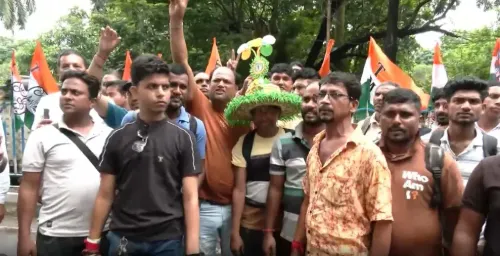
The TMC has observed 21 July as Shahid Dibas — meaning 'Martyrs' Day' — annually since at least the early 2000s, predating the party's formal founding in 1998. The commemoration draws from the Congress-era protest phase of Banerjee's career and has grown into one of the largest political gatherings in West Bengal each year.
The Left Front, led by the Communist Party of India (Marxist), governed West Bengal uninterrupted from 1977 until 2011, when the TMC swept to power. The 1993 rally and its aftermath are central to the TMC's narrative of resistance against that long period of Left rule.
Stakeholders and Impact
The observance carries significant weight for TMC cadres and political workers across West Bengal, serving as an annual moment of ideological reaffirmation. The Maa-Mati-Manush — meaning 'Mother, Soil, People' — slogan, coined by Banerjee herself, frames the party's core political identity around grassroots belonging and popular rights.
Each year, Shahid Dibas rallies function as a barometer of TMC's organisational strength, drawing workers from across the state. The day also allows the party to differentiate itself from both its Left predecessors and its current principal rival, the Bharatiya Janata Party (BJP).
What's Next
With West Bengal heading toward its next assembly election cycle in 2026-2027, Shahid Dibas messaging is expected to intensify as the TMC seeks to consolidate its base. The themes of democracy and people's rights invoked in Banerjee's post are likely to recur prominently in the party's campaign rhetoric in the months ahead.
Point of View
She signals continuity of purpose to a cadre base that needs periodic ideological anchoring. With West Bengal's election cycle approaching, this annual commemoration is also a show-of-strength exercise — reminding both allies and opponents that the party's emotional roots run deep. The consistency of this messaging across decades reflects a deliberate strategy to keep historical grievance alive as a mobilising force.
NationPress
21 Jul 2026
Frequently Asked Questions
What is Shahid Dibas and why does TMC observe it?
Shahid Dibas, or Martyrs' Day, is observed by the Trinamool Congress on 21 July each year to commemorate the deaths of Youth Congress workers who were killed in a police firing during a 1993 rally in West Bengal led by Mamata Banerjee against the Left Front government.
What happened on 21 July 1993 in West Bengal?
On 21 July 1993, Youth Congress workers were killed when police opened fire on a protest rally in Kolkata led by Mamata Banerjee, who was then a Congress leader demanding electoral reforms and opposing the Left Front government.
What does Maa-Mati-Manush mean?
Maa-Mati-Manush is a Bengali phrase meaning 'Mother, Soil, People.' It is the core political slogan of the All India Trinamool Congress, coined by Mamata Banerjee, representing the party's grassroots and people-centric identity.
When was the Trinamool Congress founded by Mamata Banerjee?
The All India Trinamool Congress was founded by Mamata Banerjee in 1998 after she split from the Indian National Congress. The party has governed West Bengal since 2011.
Why is Shahid Dibas politically significant in 2026?
In 2026, Shahid Dibas carries added significance because West Bengal is approaching its next assembly election cycle in 2026-2027, making the annual rally an important moment for the TMC to consolidate cadre loyalty and project organisational strength.