Trinamool symbol row: Mamata camp opposes rebel affidavit at EC
Synopsis
The fight over Trinamool's identity has become a fight over paperwork. At the ECI hearing, Mamata's camp accused rebels of changing their case and relying on undisclosed, allegedly forged documents. The rebel DTC countered that MLAs were intimidated into signing and later filed police complaints.
Key Takeaways
The ECI heard rival claims to the All India Trinamool Congress name and Grass and Flower symbol in New Delhi on 27 November 2026 .
The Mamata Banerjee -led faction opposed the rebel DTC 's plea to file a fresh affidavit with additional components.
Abhishek Banerjee , Kalyan Banerjee and Derek O’Brien represented the Mamata faction; Ritabrata Banerjee and Akhruzzamn represented the DTC.
Kalyan Banerjee cited Supreme Court directions barring fresh documents after the counter-affidavit deadline and accused the rebels of relying on forged documents.
Ritabrata Banerjee said many MLAs were misled and intimidated into signing, and later filed FIRs or complaints.
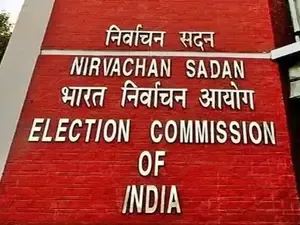
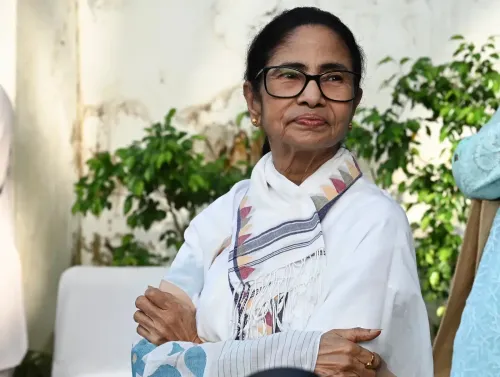
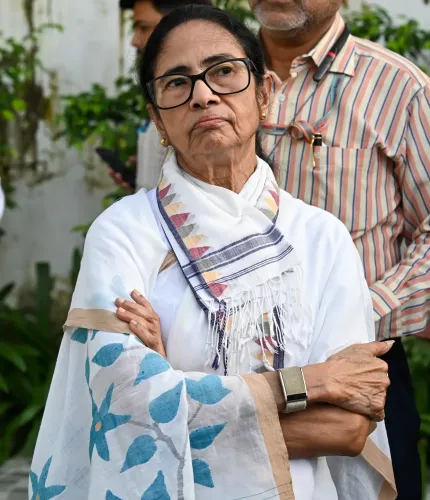
The Mamata Banerjee-led faction of the All India Trinamool Congress (TMC) on Friday, 27 November 2026, opposed a plea by the rebel Democratic Trinamool Congress (DTC) to file a fresh affidavit with several additional components. The objection came during a hearing at the Election Commission of India (ECI) headquarters in New Delhi. The two rival factions are fighting over the original party name, All India Trinamool Congress, and its electoral symbol, Grass and Flower.
The original faction, identified in the proceedings as the Mamata All India Trinamool Congress (MAITC), argued that the rebels were trying to change their case midway through the dispute. The DTC said the extra material was needed to place complaints from legislators on record.
Who Represented the Rival Factions
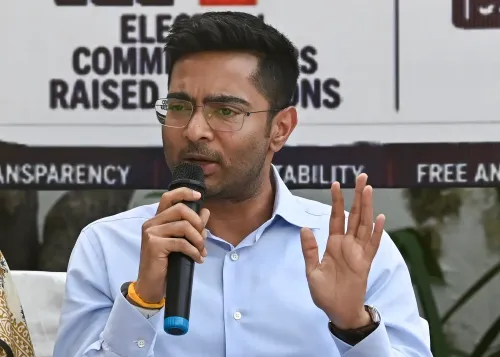
The MAITC was represented by Lok Sabha members Abhishek Banerjee and Kalyan Banerjee, along with the faction's Rajya Sabha member Derek O’Brien.
The DTC was represented by two legislators from West Bengal, Ritabrata Banerjee and Akhruzzamn.
What the Mamata Faction Argued
Speaking to reporters after the hearing, Kalyan Banerjee said the Mamata Banerjee-led faction strongly opposed the rebel group's application.
“The case they are now attempting to establish through their written submissions is completely different from the case presented in their original petition. In accordance with the Supreme Court's directions, they cannot introduce fresh documents beyond the prescribed period for filing counter-affidavits,” he said.
He added that several documents and affidavits submitted by the rebels had not been shared with his faction. “Neither the opposing faction nor the adjudicating authority can rely upon such undisclosed documents,” he said.
Kalyan Banerjee also accused the rebel faction of trying to build a narrative around forged documents. “We have also filed our affidavits and placed our supporting documentary evidence on record. In our submission, their entire attempt violates the fundamental principles of natural justice. We have previously raised these issues before the Election Commission of India,” he said.
The Rebel Faction's Defence
Ritabrata Banerjee told reporters that the DTC had explained to the Commission why it wanted to file a fresh affidavit with additional components.
“Many MLAs were misled and intimidated into signing. Later, they filed FIRs or complaints about it. We have informed the ECI about all these in detail,” he said.
He linked the timing of the new material to an extended filing window. “Since there were 10 extra days, many leaders and workers filed complaints one after another at the police station. Now there is no more problem. We will submit the relevant details to the Commission,” he added.
Why the Hearing Matters
The procedural fight over affidavits could shape the outcome of the dispute. Whether the Commission admits the new material will determine how much evidence it weighs when deciding which faction gets the TMC's identity.
The dispute follows a familiar pattern. In recent years, the ECI has ruled on splits in the Shiv Sena and the Nationalist Congress Party. In both cases, the question of which faction held legislative and organisational support was central to the verdict.
For the TMC, which has governed West Bengal since 2011, losing control of its name and Grass and Flower symbol would be a serious setback.
What Happens Next
The Commission is expected to rule on whether the DTC's additional affidavit can be admitted before the main dispute moves forward. Both factions have indicated they will keep placing documents on record.
The decision on this procedural question could set the pace, and possibly the direction, of one of West Bengal's most closely watched political battles.
Point of View
And that is where such disputes are often decided. If the ECI lets the rebels add new material after the deadline, it risks inviting endless amendments in future party splits. If it shuts the door, serious claims of coerced signatures may never be properly tested. Both sides are alleging fraud: forged documents on one side, intimidated MLAs on the other. The Commission's real test is to run a transparent, evidence-led process rather than a contest of numbers on paper.
NationPress
27 Nov 2026
Frequently Asked Questions
What is the Trinamool Congress name and symbol dispute about?
Two rival factions, the Mamata Banerjee-led MAITC and the rebel Democratic Trinamool Congress (DTC), both claim the original name 'All India Trinamool Congress' and its 'Grass and Flower' symbol. The Election Commission of India is hearing their competing claims.
Why did the Mamata faction oppose the rebel affidavit?
The Mamata faction argued that the rebels' new submissions present a completely different case from their original petition. Kalyan Banerjee said Supreme Court directions bar fresh documents after the counter-affidavit deadline and that some documents were never shared with his faction.
What did the rebel DTC faction say at the hearing?
Ritabrata Banerjee said many MLAs were misled and intimidated into signing and later filed FIRs or complaints. He said the DTC had informed the ECI and would submit the relevant details.
Who represented the two factions before the Election Commission?
Abhishek Banerjee, Kalyan Banerjee and Derek O’Brien represented the Mamata faction. West Bengal legislators Ritabrata Banerjee and Akhruzzamn represented the DTC.
What happens next in the Trinamool symbol case?
The Election Commission must first decide whether to admit the DTC's fresh affidavit with additional components. That ruling will shape the evidence considered in the main dispute over the party name and symbol.