Delhi CM Rekha Gupta launches 18 Bihar bus routes
Synopsis
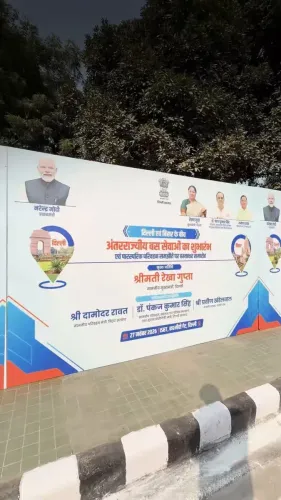
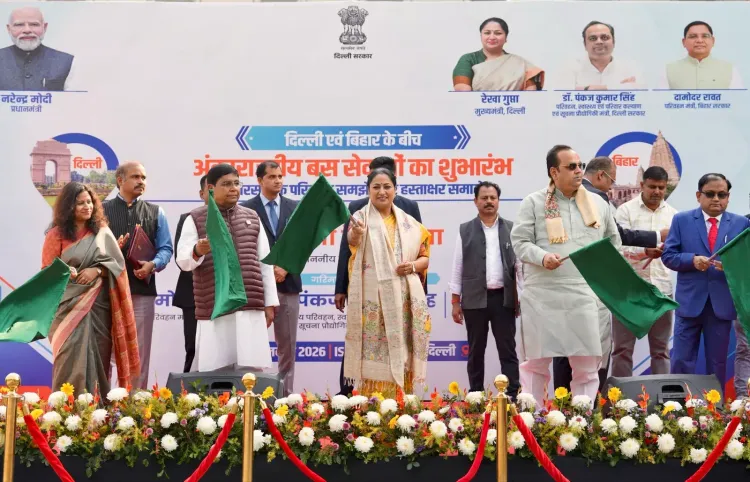
Delhi CM Rekha Gupta on 27 November 2026 inaugurated interstate buses from Kashmiri Gate and signed an MoU with Bihar for 18 routes to 13 cities, including Patna, Gaya, Darbhanga, Madhubani and Bhagalpur. Bihar Transport Minister Damodar Rawat attended.
Key Takeaways
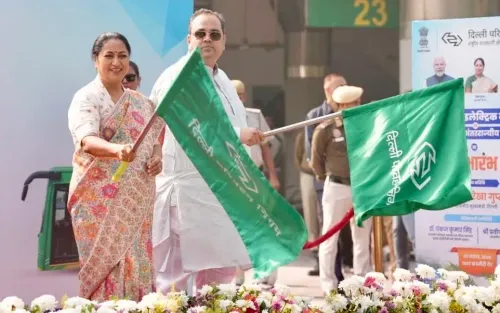
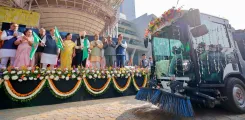
Delhi Chief Minister Rekha Gupta inaugurated Delhi-Bihar interstate bus services from Kashmiri Gate on 27 November 2026 .
The two state governments signed an MoU to operate 18 bus routes.
Direct services will extend to 13 Bihar cities and regions, including Patna , Gaya Ji , Darbhanga , Madhubani and Bhagalpur .
Bihar Transport Minister Damodar Rawat and Delhi cabinet colleague Dr Pankaj Kumar Singh attended the programme.
Gupta framed the step as easier home travel for Bihar-origin residents of Delhi and thanked the Bihar government.
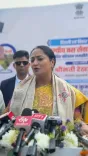
Delhi Chief Minister Rekha Gupta on 27 November 2026 inaugurated interstate bus services from Kashmiri Gate, tying the capital to 13 Bihar cities and regions on 18 new routes. The two state governments signed an MoU the same day, a direct answer to the large Bihar-origin workforce that helps keep the city running.
Gupta said the people of Bihar have adorned Delhi with their hard work and enriched it with their culture, and that their happiness belongs to both states. Direct coaches will now run toward Patna, Gaya Ji, Darbhanga, Madhubani, Bhagalpur and eight other Bihar cities and regions. The effort, she said, is that whenever someone wants to meet their own, they can go home easily.
Eighteen routes from Kashmiri Gate
The launch sits at Kashmiri Gate, Delhi's principal interstate bus terminal and the long-standing gateway for coaches heading east. Gupta announced that both governments had signed an MoU to operate 18 bus routes, expanding direct services from Delhi to 13 Bihar cities and regions. Fare charts, frequencies and start dates for each service were not spelled out in the public remarks.
She thanked the Bihar government from the heart. The map is modest on paper and large in daily life: a scheduled ride instead of a scramble, from the capital's main ISBT toward home districts that already send labour, students and families up the same highway.
Damodar Rawat at the two-state handshake
Bihar Transport Minister Damodar Rawat and Delhi cabinet colleague Dr Pankaj Kumar Singh attended the programme, Gupta said. Bilateral bus pacts of this kind are a familiar administrative tool between big cities and labour-sending states. They typically deal with route lists, terminal slots and fare structures, even when the fine print stays off the stage.
Delhi has long hosted a large workforce from Bihar. Formalising 18 routes does not invent that traffic. It tries to put it on a timetable.
The test after the Kashmiri Gate signatures
What travellers will measure next is rollout speed, occupancy on the new corridor, and whether frequencies rise if the coaches fill. Extra destinations can follow if the first 13 hold. For now the promise is a simpler journey between two states whose people already share a city.
The buses still have to run.
Point of View
Yet they sit at the centre of how India's internal labour market actually moves. Delhi's economy still draws heavily on Bihar's workforce, so a scheduled service from Kashmiri Gate is a welfare instrument as much as a transport one. The MoU follows a familiar pattern of state-to-state route pacts; the political signal is that migrant connectivity has become a governing test for the capital. Occupancy and frequency, not the signing ceremony, will decide whether this corridor truly shortens the distance home.
NationPress
27 Nov 2026
Frequently Asked Questions
Which Bihar cities will get direct buses from Delhi?
Direct services will extend to 13 cities and regions of Bihar, including Patna, Gaya Ji, Darbhanga, Madhubani and Bhagalpur. The remaining destinations were not named in the announcement.
How many Delhi-Bihar bus routes were approved in the MoU?
The Delhi and Bihar governments signed an MoU for the operation of 18 bus routes. Exact fares and start dates for each route were not set out in the public remarks.
From where will the new Delhi to Bihar buses start?
Services were inaugurated from Kashmiri Gate, Delhi's main interstate bus terminal. That ISBT is the origin point named for the new Bihar routes.
Who attended the Delhi-Bihar bus launch with Rekha Gupta?
Bihar Transport Minister Damodar Rawat and Delhi cabinet colleague Dr Pankaj Kumar Singh were present, according to Gupta. She also thanked the Bihar government for the initiative.
When did Rekha Gupta launch the Delhi-Bihar interstate bus service?
The inauguration and MoU signing were announced on 27 November 2026. A public timetable for each of the 18 routes was not released with the announcement.