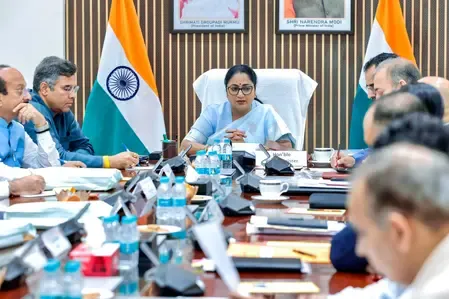
Delhi CM Rekha Gupta: Public must see Sheesh Mahal
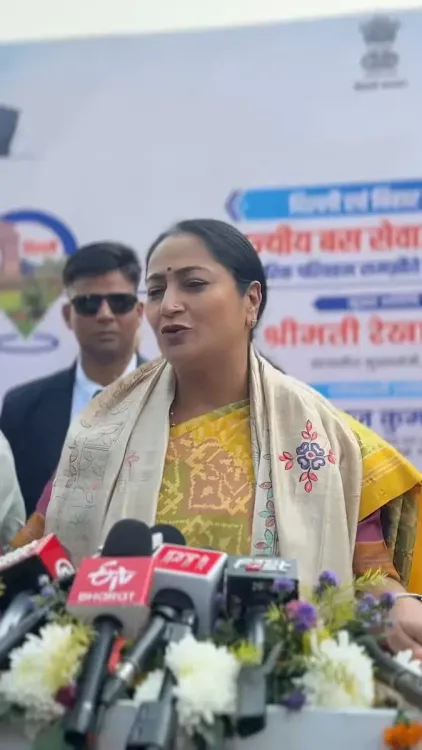
Synopsis
Delhi CM Rekha Gupta says the public must see the Sheesh Mahal, inviting Punjab's people as well as Delhi's, and alleges the same forces that looted the capital are now looting Punjab. She urged everyone to come look so the alleged excess does not return.
Key Takeaways
Delhi Chief Minister Rekha Gupta on 27 November 2026 urged the public to come and see the Sheesh Mahal.
She said Delhi's people had wanted to view it and that Punjab's public should see it too.
She alleged that those who looted Delhi are now looting Punjab and that the veil had lifted again from their sins.
Sheesh Mahal is BJP's nickname for the Delhi CM's official residence, criticised in 2023 over an alleged renovation cost exceeding Rs 20 crore.
AAP has governed Punjab since the 2022 assembly elections; Gupta's post fits a longer BJP-AAP fight over alleged extravagance.
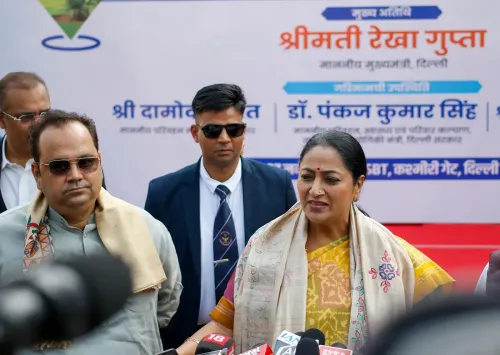
Delhi Chief Minister Rekha Gupta on Friday, 27 November 2026, held up the capital's most argued-over bungalow as a public exhibit. Delhi's people had wanted to see this Sheesh Mahal, she said, and Punjab's people should see it too — so the same alleged loot cannot return.
In a Hindi post, Gupta called the moment essential: yeh bahut zaroori tha (this was very necessary). The public of Delhi wanted to see this Sheesh Mahal, she wrote, and 'we want the public of Punjab to see it as well.' Then the charge: first they looted Delhi, and now they are looting Punjab. Today, she said, the veil has been lifted again from all their sins before the public. Everyone should come and look, she added, taaki phir se yeh kaath ki haandi chadhne na paaye (so that this wooden pot is not put on the fire again).
The bungalow BJP nicknamed Sheesh Mahal
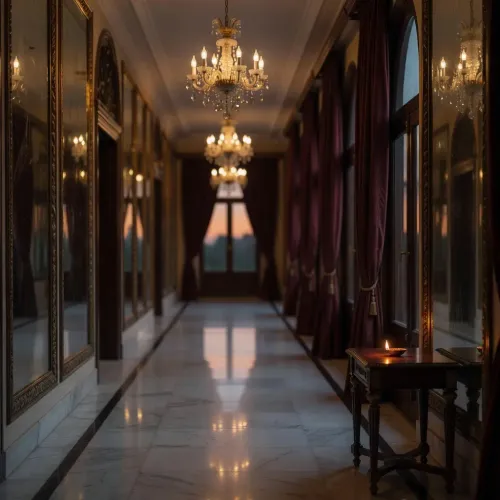
Sheesh Mahal — palace of mirrors — is the label BJP leaders pinned in 2023 on the renovation of the Delhi Chief Minister's official residence under the previous Aam Aadmi Party government. They cited an alleged outlay exceeding Rs 20 crore and made the home of then Chief Minister Arvind Kejriwal a standing exhibit in their case against AAP extravagance.
The fight did not stay inside one compound. After AAP formed the government in Punjab in the 2022 assembly elections, BJP voices began drawing a straight line from that Delhi residence to alleged misuse of public money next door. Gupta's Friday message sits in that groove: same rival, same charge, two maps.
An invitation aimed at Punjab as much as Delhi
Gupta did not name a party in the post. She did not have to. The former Delhi administration and the present Punjab government are the only governments that fit her sequence — looted here, looting there. Public viewing, in her telling, is not tourism. It is a civic warning: come, look, and do not let the arrangement return.
The precise event on 27 November that led her to say the veil had lifted 'today' is not independently established in the available record. The political meaning is. BJP in Delhi has long treated the residence as proof of the last government's excess; AAP has long treated the Sheesh Mahal attack as partisan theatre. Both have used claims of extravagance as campaign steel across north India.
One charge, two states, a wooden pot on the fire
By asking Punjab's public to see what Delhi's public, in her words, had demanded to see, Gupta is exporting a capital controversy into a state her party does not currently run. The audiences she named are the residents who lived through the Delhi residence row, and the residents now living under AAP in Punjab.
Whether organised visits follow, and how AAP leaders in both places answer, will decide if this is a day's post or a longer tour. A residence is never only a residence in this contest. Gupta has just asked two electorates to treat it as evidence.
Point of View
Fixed in 2023 around the Delhi CM residence renovation, is being asked to travel to Punjab, where AAP has governed since 2022. That is a portability test: can a bungalow in the capital still put a rival on the defensive beyond Delhi. The invitation to come and see will matter only if it becomes an organised political tour — and if AAP answers in both capitals rather than shrugging it off as old theatre.
NationPress
27 Nov 2026
Frequently Asked Questions
What did Delhi CM Rekha Gupta say about Sheesh Mahal?
Delhi Chief Minister Rekha Gupta said the public needed to see the Sheesh Mahal, that Delhi's people had wanted to view it, and that Punjab's people should see it too. She alleged that those who first looted Delhi are now looting Punjab and urged everyone to come look so the same alleged excess does not return.
What is the Sheesh Mahal controversy in Delhi?
Sheesh Mahal is the nickname BJP leaders have used for the Delhi Chief Minister's official residence after criticising its renovation under the previous AAP government. In 2023 they publicly cited an alleged cost exceeding Rs 20 crore and tied the bungalow to claims of extravagance around then Chief Minister Arvind Kejriwal.
Why did Rekha Gupta mention Punjab in her Sheesh Mahal post?
She said she wants Punjab's public to see the Sheesh Mahal as well, alleging that after looting Delhi the same set is now looting Punjab. AAP has governed Punjab since the 2022 assembly elections, which is the political backdrop for that charge.
Did Rekha Gupta name AAP or Arvind Kejriwal in the post?
The post itself does not name the Aam Aadmi Party or Arvind Kejriwal. The sequence she described — Delhi then Punjab, the Sheesh Mahal label, and the 2023 residence fight — is the long-running BJP case against AAP's record in both places.