CM Rekha Gupta Joins Amit Shah's Delhi Security Review
Synopsis
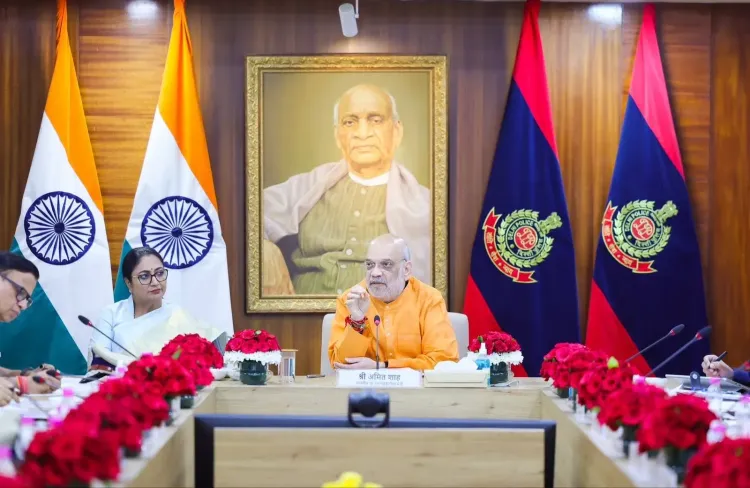
Delhi Chief Minister Rekha Gupta joined Union Home Minister Amit Shah at Delhi Police Headquarters for a detailed review of the capital's security arrangements — a meeting that underscores the Centre's direct command over policing in the national capital.
Key Takeaways
Delhi CM Rekha Gupta attended a security review meeting at Delhi Police Headquarters on Saturday, 25 October 2026 .
The meeting was chaired by Union Home Minister Amit Shah in his capacity as minister responsible for Delhi Police.
A 'detailed review' ( विस्तृत समीक्षा ) of the capital's security arrangements was conducted at the session.
Under the Delhi Police Act, 1978 , Delhi Police is administered directly by the Ministry of Home Affairs , not the elected Delhi government.
Specific outcomes or directives from the meeting have not been publicly disclosed.
Security at India's capital got a high-level audit on Saturday, when Delhi Chief Minister Rekha Gupta joined Union Home Minister Amit Shah at Delhi Police Headquarters for a comprehensive review of the capital's law-and-order apparatus. The meeting, chaired by Shah in his capacity as Union Minister of Home Affairs, brought together the Centre and Delhi's elected government over the one issue the two share without ambiguity — keeping the capital safe.
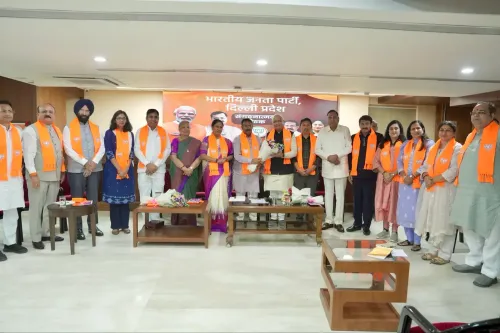
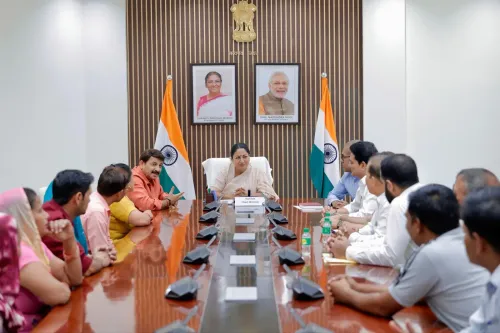
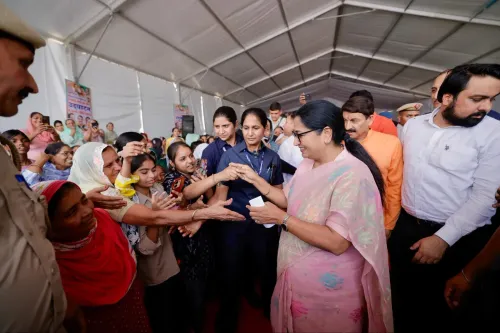
Rekha Gupta posted on X, noting she 'sम्मिलित हुई' (participated) in the meeting convened under Shah's chairmanship, where a 'विस्तृत समीक्षा' (detailed review) of the capital's security arrangements was conducted. Three images from the session accompanied her post.
Why Delhi Police Reports to Delhi's Home Minister — Not Its CM
The meeting's very architecture tells a constitutional story. Under the Delhi Police Act, 1978, Delhi Police is administered not by the elected state government but directly by the Ministry of Home Affairs — a structural legacy that makes the Union Home Minister the effective custodian of law enforcement in the national capital. Amit Shah, who has held the Home portfolio since 2019, chairs such reviews to assess policing priorities, deployment strategies, and emerging threat assessments for a city that hosts Parliament, foreign missions, and critical national infrastructure.
This governance arrangement makes Delhi unique among Indian states — the Chief Minister governs in several domains, but the police answer to Raj Niwas and, ultimately, to North Block. CM Rekha Gupta's presence at a Home Ministry-chaired security meeting is therefore both customary and significant: it signals coordinated intent between the BJP-led city government and the Union government on the capital's security posture.
Periodic Reviews, Persistent Stakes
Security reviews of this kind are not ceremonial. The national capital routinely faces elevated threat perception — protest flashpoints, VIP movements, communal-sensitivity calendars, and the sheer density of population in its 11 million-plus urban core demand constant recalibration. Periodic meetings chaired by the Home Minister give senior officers a direct mandate, compress bureaucratic response times, and allow ground-level concerns to surface at the political level.
What specific directives or follow-up initiatives emerged from Saturday's session has not been disclosed. Delhi residents and police leadership will watch for any announced changes in deployment, new technology integration, or inter-agency coordination frameworks in the days ahead.
When the Home Minister chairs a security review and the Chief Minister sits at the same table, it is a signal — that the capital's safety is being treated as everyone's first business.
Point of View
But law enforcement remains a Union subject, making Home Ministry reviews the real command-and-control moment for capital policing. Rekha Gupta's visible participation signals the BJP's interest in projecting unified, top-down coordination on security — a politically useful image for a party that governs both the city and the Centre. Periodic reviews of this nature also tend to precede sensitive periods on the capital's calendar, though no specific trigger has been confirmed. The absence of any disclosed outcome keeps the focus on process over substance — for now.
NationPress
25 Oct 2026
Frequently Asked Questions
Who chaired the Delhi security review meeting on Saturday?
Union Home Minister Amit Shah chaired the meeting at Delhi Police Headquarters . Delhi CM Rekha Gupta was among those who attended.
Why is Delhi Police under the Central government and not the Delhi government?
Under the Delhi Police Act, 1978 , Delhi Police is administered by the Ministry of Home Affairs , not the elected state government. This makes Delhi unique among Indian states.
What was discussed at the Delhi Police security review?
A detailed review ( विस्तृत समीक्षा ) of the capital's security arrangements was conducted. Specific agenda items or outcomes from the meeting have not been officially disclosed.
Does Delhi's Chief Minister have any role over Delhi Police?
No — Delhi Police reports to the Lieutenant Governor and the Ministry of Home Affairs . The Chief Minister does not exercise direct authority over the force, though coordination between the city government and the Centre on security matters is standard practice.
How often does Amit Shah review Delhi's security?
Security reviews of the capital chaired by the Union Home Minister occur periodically, given the Centre's direct control over Delhi Police and the capital's elevated threat environment hosting Parliament, foreign missions, and major infrastructure.