CM Rekha Gupta Pushes Ground Inspections for Viksit Delhi
Synopsis
Delhi Chief Minister Rekha Gupta has said the journey towards Viksit Delhi requires continuous on-ground improvement, pledging more inspections to raise service standards, deepen transparency and improve quality of life for residents. The post anchors her governance pitch to the national Viksit Bharat 2047 framework, signalling a sustained field-monitoring approach in the capital.
Key Takeaways
Delhi CM Rekha Gupta posted on X on 2 June 2026 linking inspections to the Viksit Delhi agenda.
She said more inspections will ensure higher standards, transparency and better quality of life.
The post used the hashtag #ViksitDelhi and was accompanied by a video.
Viksit Delhi is the city-level extension of the Viksit Bharat 2047 vision launched in 2023.
The approach signals direct political tracking of bureaucratic field performance.
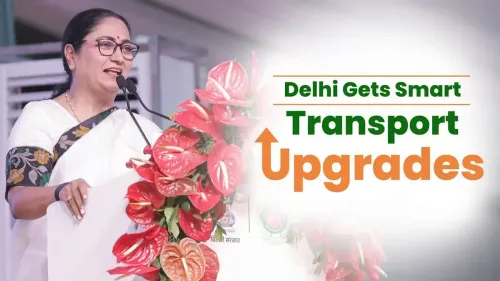
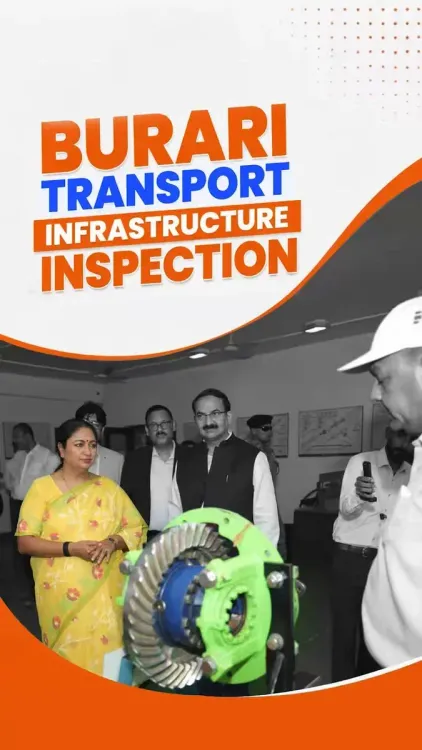
Delhi Chief Minister Rekha Gupta on Tuesday, 2 June 2026, said the path to a Viksit Delhi demands sustained on-ground improvement, framing routine inspections as the central instrument of her government's governance push. In a post on X, accompanied by a video, she linked field visits to the broader goal of raising service standards and transparency in the national capital.
'The journey towards Viksit Delhi requires continuous improvement on the ground,' the Chief Minister wrote. 'More such inspections will ensure higher standards, greater transparency and a better quality of life for every Delhiite,' she added, tagging the message with the hashtag #ViksitDelhi.
Context
The message is the latest in a series of statements from Rekha Gupta positioning physical inspections as a marker of administrative seriousness. The accompanying video, per the post, references on-site visits, though specifics of the locations covered were not detailed in the text itself.
The Chief Minister, a senior BJP leader, has repeatedly used the Viksit Delhi framing since taking charge, drawing a direct line from city-level delivery to the central government's stated national objectives.
Policy backdrop
The Viksit Delhi initiative is the city-level extension of the Viksit Bharat vision, which Prime Minister Narendra Modi outlined in 2023 with a target of a developed India by 2047. The framework binds states and union territories to align their governance benchmarks with national goals on infrastructure, public services and accountability.
For Delhi, which functions under a unique administrative arrangement involving the elected government, the Lieutenant Governor and municipal bodies, the inspection-led approach is being pitched as a way to bypass procedural delays and surface gaps in real time.
Stakeholders and impact
The most immediate stakeholders are Delhi's residents, who interact daily with civic services ranging from sanitation and water supply to public health facilities and roads. The Chief Minister's framing places the resident, described in the post as 'every Delhiite', at the centre of the accountability loop.
For the bureaucracy, the signal is that field-level performance will be tracked directly by the political leadership. For the ruling BJP, which leads the Delhi government, the inspections double as a visible demonstration of governance ahead of municipal-level engagements.
Opposition parties have, in past months, questioned the scale and follow-through of such visits. The Chief Minister's post does not address those critiques directly but reiterates that inspections will be expanded.
What's next
Attention will turn to whether the government tables consolidated inspection findings in the Delhi Assembly or before municipal forums, and whether specific corrective directives flow from the visits. The phrase 'more such inspections' in the post signals that the cadence is expected to rise.
If sustained, the approach could reshape how the Delhi government communicates delivery, shifting the emphasis from scheme launches to verifiable service-level outcomes — a test that will play out over the coming months as the Viksit Delhi agenda is operationalised.
Point of View
Tied tightly to the Viksit Bharat 2047 arc. For a Chief Minister navigating Delhi's split administrative structure, inspections offer a visible, low-friction way to project control without waiting for legislative or municipal cycles. The real test, however, is downstream: whether inspection findings translate into measurable service improvements or remain communications artefacts. Sustained data disclosure will determine if the Viksit Delhi label gains analytical weight or stays largely aspirational.
NationPress
22 Sept 2026
Frequently Asked Questions
What did Delhi CM Rekha Gupta say about Viksit Delhi?
She said the journey towards Viksit Delhi requires continuous improvement on the ground and that more inspections will ensure higher standards, greater transparency and better quality of life for every resident of Delhi.
What is the Viksit Delhi initiative?
Viksit Delhi is the Delhi government's framing of city-level governance reforms aligned with the national Viksit Bharat vision, which targets a developed India by 2047.
When was Viksit Bharat 2047 launched?
The Viksit Bharat vision was outlined by Prime Minister Narendra Modi in 2023, setting a target of making India a developed nation by 2047.
Why is Rekha Gupta focusing on inspections?
The Chief Minister has positioned on-ground inspections as a tool to monitor service delivery directly, improve transparency and signal political accountability over the city's bureaucracy.
What happens after these inspections in Delhi?
Follow-up is expected through corrective directives and potential discussions in the Delhi Assembly or municipal forums, though specific outcomes from individual inspections were not detailed in the post.