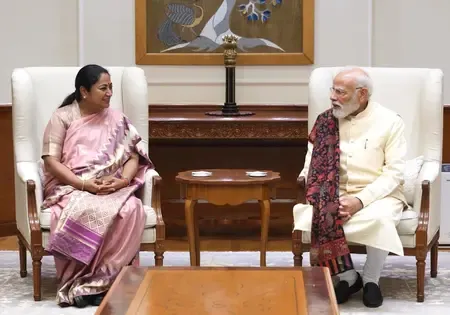
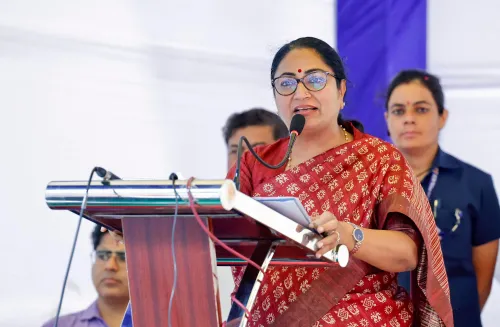
CM Rekha Gupta Slams AAP's Delhi Record in Monsoon Session
Synopsis
At Delhi's Monsoon Session on August 11, 2026, Chief Minister Rekha Gupta charged that the AAP government left Yamuna cleaning, waste removal, roads, hospitals, and schools unaddressed despite having authority and budget, alleging the flaw was in intent, not resources.
Key Takeaways
CM Rekha Gupta attacked the outgoing AAP government's record at the Delhi Monsoon Session on August 11, 2026 .
She alleged funds for Yamuna cleaning, roads, hospitals, schools, and transport were not utilised despite budgets being in place.
Gupta claimed AAP was the only government in India where the Chief Minister — Arvind Kejriwal — held no departmental portfolio.
She argued Kejriwal signed no files yet exercised control, raising questions of administrative accountability.
Yamuna pollution and landfill management at sites like Ghazipur have been unresolved across multiple Delhi governments since the 1990s .
The Monsoon Session is expected to scrutinise departmental budgets and pending civic projects inherited by the BJP administration.
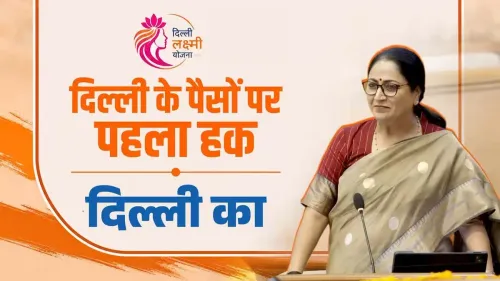
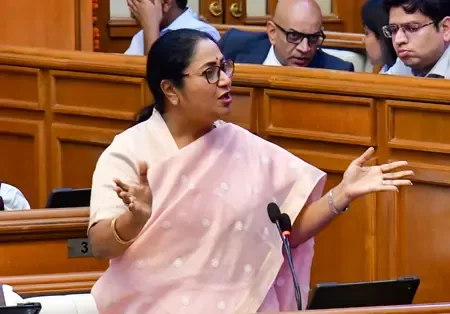
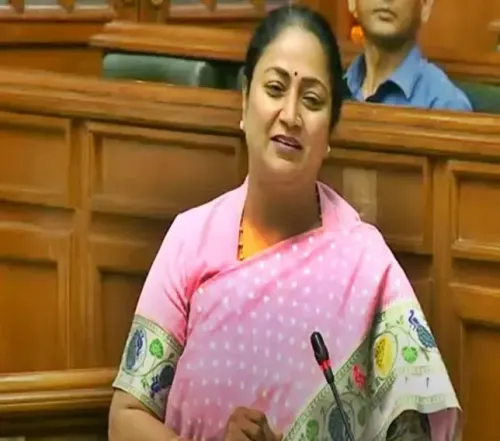
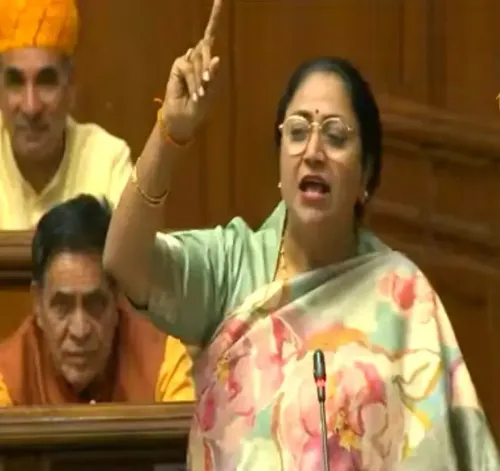
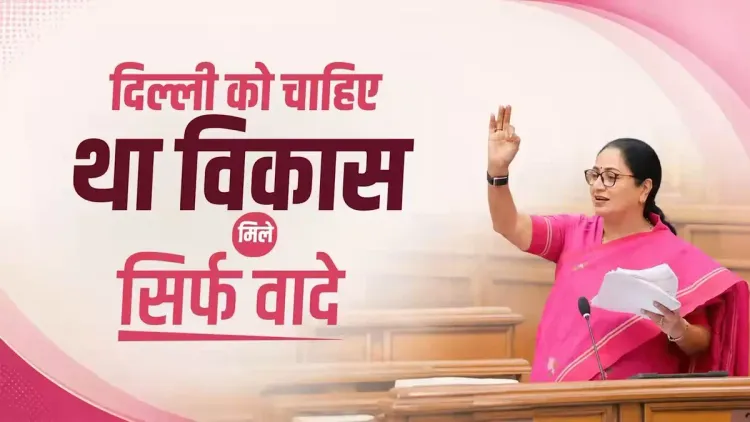
Delhi's rivers, roads, hospitals, and schools — the city needed all of it, and the money was there. So what happened to it? At the Monsoon Session of the Delhi Assembly on Tuesday, August 11, 2026, Chief Minister Rekha Gupta delivered a pointed indictment of the decade-long Aam Aadmi Party administration, arguing that authority and budget existed but intent — niyat — did not.
Speaking in Hindi, Gupta was unsparing: 'Niyat mein hi khot tha' — 'the intent itself was flawed.' She charged that the previous government showed no interest in cleaning the Yamuna, clearing the city's towering waste dumps, or improving Delhi's roads. Funds meant for roads, medicines, hospitals, schools, and transport, she alleged, went unutilised despite the budget being in place.
The 'No Portfolio' Charge Against Kejriwal
Gupta's sharpest line targeted the structure of power under the AAP dispensation. She stated that Aam Aadmi Party's government was the only one in the entire country where the Chief Minister held no departmental portfolio. Arvind Kejriwal, she said, signed no files — yet controlled everything. It is a charge that cuts at the heart of administrative accountability: if no file bears the CM's signature, who owns the decisions?
The claim about Kejriwal not holding portfolios is rooted in documented administrative practice — during his tenure, portfolios were distributed among ministers while the Chief Minister's office operated without a formal departmental assignment. The political interpretation of that arrangement, however, remains contested.
Yamuna and the Landfills: Promises Older Than AAP
The Yamuna's pollution is not a problem that arrived with any single government. Delhi has run Yamuna Action Plans since the 1990s, with successive administrations — including AAP after 2015 — allocating funds that repeatedly fell short of outcomes. Waste management at sites like Ghazipur has similarly featured in assembly debates and civic complaints across party lines for over a decade.
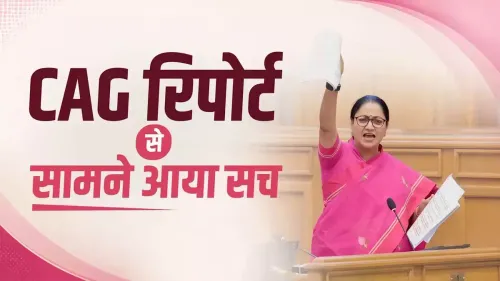
Gupta's intervention in the Monsoon Session frames these chronic failures squarely as a product of the previous government's priorities — and positions the incoming BJP administration as the corrective. Whether audit records and CAG reports will bear out the specific fund-utilisation claims she raised is something the assembly session itself may test.
What the Monsoon Session Now Has to Reckon With
Legislative sessions that follow a change of government are rarely just procedural. They are, in effect, the first formal accounting — where the new administration gets to narrate the inheritance it claims to have received. Gupta's floor remarks set the terms of that narrative: a city with needs, a budget with money, and a government, she alleges, with neither the will nor the paperwork to match.
The Monsoon Session's proceedings on departmental budgets and pending civic projects will now carry extra weight. If opposition benches push back with their own figures, Delhi's assembly could turn into the audit room the city has long needed.
Point of View
The landfills, the roads — rather than purely political ones, she grounds the attack in issues that cut across voter blocs. The 'no portfolio' charge is politically potent but legally ambiguous; it will gain or lose traction depending on whether the session produces documentary evidence. More broadly, this signals that the BJP's Delhi government intends to keep AAP's governance record on trial well into its own term.
NationPress
26 Sept 2026
Frequently Asked Questions
What did CM Rekha Gupta say about AAP in the Delhi Monsoon Session?
Rekha Gupta alleged that the AAP government failed to utilise funds allocated for Yamuna cleaning, waste removal, roads, hospitals, schools, and transport, saying the flaw was in the government's intent rather than its resources or authority.
Did Arvind Kejriwal really hold no departmental portfolio as Delhi CM?
During Kejriwal's tenure, portfolios were formally distributed among cabinet ministers without a specific departmental assignment to the Chief Minister's office — a practice Gupta cited as evidence of unaccountable governance, though the political interpretation is disputed.
Why is the Yamuna still polluted despite years of action plans?
Delhi has run Yamuna Action Plans since the 1990s across multiple governments, with repeated shortfalls between funds allocated and actual outcomes — making the river's pollution a multi-decade governance failure not attributable to any single party.
What is the Delhi Monsoon Session 2026 about?
The Monsoon Session of the Delhi Assembly, under CM Rekha Gupta's BJP government, is expected to take up departmental budgets, pending civic projects, and accountability questions around the previous AAP administration's fund utilisation.
What is the Ghazipur landfill issue in Delhi?
Ghazipur is one of Delhi's largest and most notorious waste dump sites, whose growing height and unresolved management have been a recurring subject of assembly debates and civic complaints across successive governments for over a decade.