CM Rekha Gupta Hails Rs 1.60 Lakh Cr NCR Infra Push
Synopsis
Delhi Chief Minister Rekha Gupta on 27 May 2026 highlighted infrastructure projects worth over ₹1.60 lakh crore under PM Modi's leadership, saying modern connectivity is gradually replacing the daily commute struggle faced by millions of Delhi-NCR families.
Key Takeaways
CM Rekha Gupta posted on 27 May 2026 crediting PM Modi for transforming Delhi-NCR connectivity.
Projects cited are collectively valued at over ₹1.60 lakh crore , covering roads and transit infrastructure.
The Delhi-Meerut RRTS corridor and Bharatmala Pariyojana form key pillars of the regional infrastructure drive.
The push falls under the PM Gati Shakti framework, coordinating road, rail, and transit investments.
Daily commuters across Delhi, Gurugram, Noida, Ghaziabad, Faridabad, and Meerut are the primary intended beneficiaries.
The post was tagged #ViksitDelhi , aligning with the BJP Delhi government's broader urban development messaging.
Delhi Chief Minister Rekha Gupta on Wednesday, 27 May 2026, credited Prime Minister Narendra Modi's leadership for transforming daily commutes across Delhi-NCR, citing infrastructure projects worth over ₹1.60 lakh crore that she says are easing the long-standing struggle of millions of families in the region.
Context
In her post, CM Gupta wrote — 'दिल्ली-NCR के लाखों परिवारों का रोज़ का संघर्ष अब धीरे-धीरे आसान हो रहा है' ('The daily struggle of lakhs of families in Delhi-NCR is now gradually becoming easier') — framing the ongoing infrastructure drive as a quality-of-life commitment rather than a mere construction exercise. She described the projects as a 'resolve linked to people's time, convenience, and better lives,' not just roads.
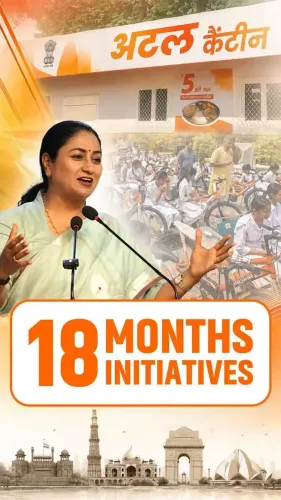
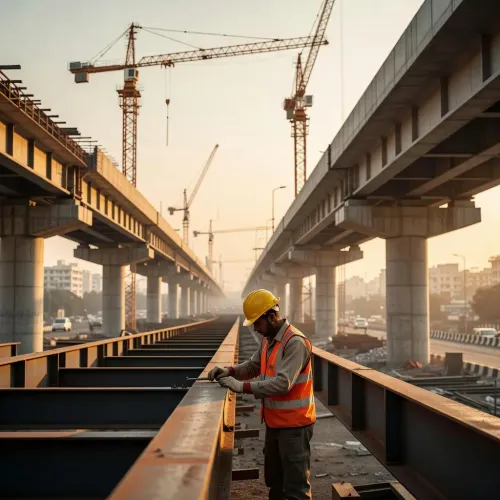
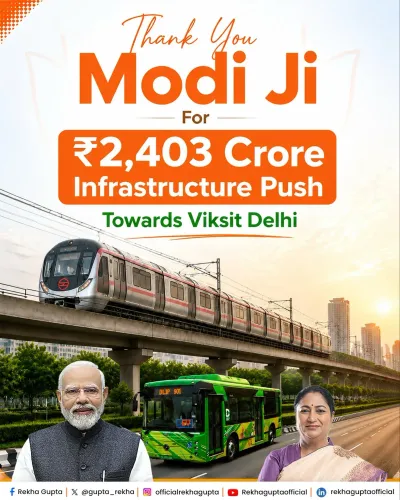
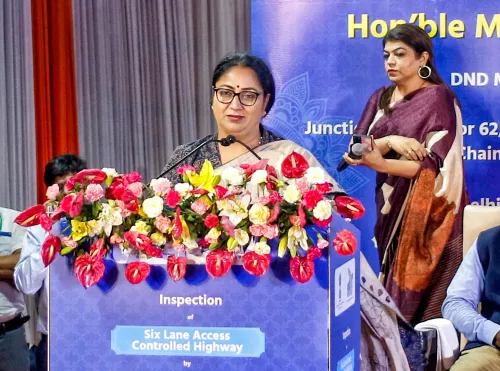
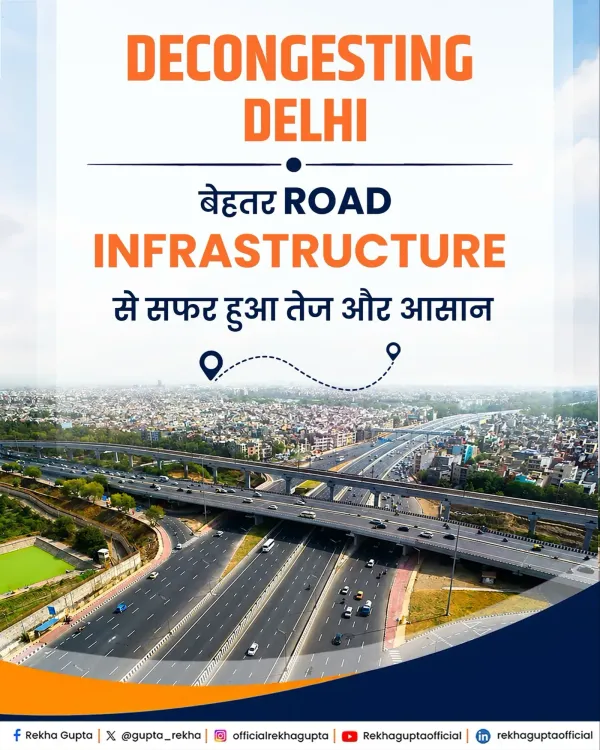
The post, accompanied by four images and tagged #ViksitDelhi, was addressed directly to PM Modi, acknowledging his stewardship of the capital region's modernisation.
Policy Backdrop
The infrastructure push CM Gupta references draws from a layered policy lineage. The Bharatmala Pariyojana, launched in 2015, accelerated expressway and highway construction nationwide, with several key corridors linking Delhi to adjoining NCR districts. The Delhi-Meerut Regional Rapid Transit System (RRTS) corridor, whose foundation stone was laid in 2019, forms part of an integrated regional mobility plan designed to cut intra-NCR travel times significantly.
These projects also sit within the broader PM Gati Shakti framework, which coordinates road, rail, and transit investments across ministries to eliminate siloed planning. The emphasis on multi-modal transport corridors around Delhi has been a consistent priority across successive central administrations, though the current government has sharply accelerated the pace and scale of sanctioned works.
Stakeholders and Impact
The primary beneficiaries are the estimated millions of daily commuters who travel between Delhi and satellite cities such as Gurugram, Noida, Ghaziabad, Faridabad, and Meerut — a corridor notorious for hours-long traffic gridlock. Reduced commute times translate directly into lower fuel costs, improved worker productivity, and better air quality outcomes for one of the world's most congested urban agglomerations.
For the BJP-led Delhi government, which returned to power in the capital in early 2025 after over a decade in opposition, visible infrastructure delivery is central to its political messaging under the #ViksitDelhi brand.
What's Next
Attention will now turn to the phased commissioning timelines for remaining RRTS corridors and associated metro extensions, as well as parliamentary disclosures on funding utilisation under Bharatmala and related schemes. Any acceleration or delay in these milestones will test whether the ₹1.60 lakh crore commitment translates into on-ground relief for Delhi-NCR commuters within the stated timeframes.
As Delhi positions itself as a model of modern urban infrastructure under the Viksit Bharat vision, the pace of project delivery will increasingly become a benchmark against which both the state and central governments are measured.
Point of View
Whether or not fully verified, is a politically potent number that shifts the conversation from legacy grievances about Delhi's governance to forward-looking development metrics. This fits a broader BJP pattern of using the Viksit Bharat and PM Gati Shakti umbrellas to create a seamless narrative between central spending and state-level political dividends. For a government that returned to Delhi after a decade in opposition, infrastructure visibility is arguably its most durable electoral asset heading into the next cycle.
NationPress
22 Sept 2026
Frequently Asked Questions
What are the infrastructure projects worth ₹1.60 lakh crore in Delhi-NCR?
Delhi Chief Minister Rekha Gupta cited projects collectively valued at over ₹1.60 lakh crore aimed at improving connectivity across Delhi-NCR, encompassing expressways, highways under the Bharatmala Pariyojana, and the Regional Rapid Transit System (RRTS) corridors linking Delhi to satellite cities.
What is the Delhi-Meerut RRTS and when was it started?
The Delhi-Meerut Regional Rapid Transit System (RRTS) is a high-speed rail corridor designed to connect Delhi with Meerut as part of an integrated NCR mobility plan. Its foundation stone was laid in 2019, and it forms part of the broader PM Gati Shakti infrastructure framework.
What is PM Gati Shakti and how does it relate to Delhi-NCR?
PM Gati Shakti is a national master plan that coordinates road, rail, and transit infrastructure investments across central ministries to eliminate siloed planning. Several Delhi-NCR expressway and rapid transit projects are aligned under this framework to improve regional connectivity.
What is Bharatmala Pariyojana?
Bharatmala Pariyojana is a centrally sponsored highway and expressway construction programme launched in 2015. It includes several key corridors connecting Delhi to adjoining NCR districts and has been a foundational scheme in the current infrastructure push.
Who is Rekha Gupta and what party does she represent?
Rekha Gupta is a BJP leader serving as the Chief Minister of Delhi. Her party returned to power in the capital in early 2025 after over a decade in opposition, and infrastructure delivery has been central to her government's political messaging under the #ViksitDelhi campaign.