Delhi CM Rekha Gupta launches ₹170 crore infra projects in 9 industrial areas
Synopsis
Delhi's nine industrial clusters — long neglected on roads and drainage — are getting a ₹170 crore overhaul under CM Rekha Gupta, covering 15 km of roads, 34 km of stormwater drains, and underground utility ducts. With Industries Minister Sirsa citing 25 years of underinvestment, this is the most sweeping industrial infrastructure push the capital has seen in recent memory.
Key Takeaways
Delhi CM Rekha Gupta launched ₹170 crore worth of infrastructure projects on 13 October 2026 .
The projects span nine industrial areas , covering approximately 15 km of roads and 34 km of stormwater drainage .
Underground utility ducts will be installed to reduce repeated road excavation for electricity, water and telecom services.
Industries Minister Manjinder Singh Sirsa cited 25 years of inadequate investment as the backdrop for the initiative.
Covered zones include Rajasthani Udyog Nagar , Naraina , Okhla Phase II , DLF Moti Nagar , Nangloi and others.
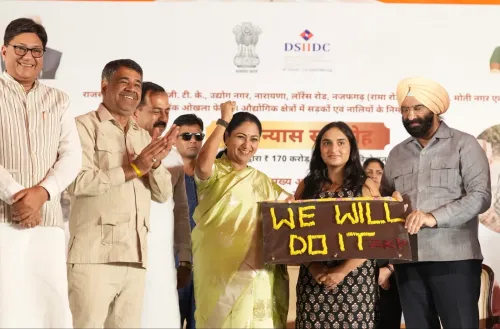
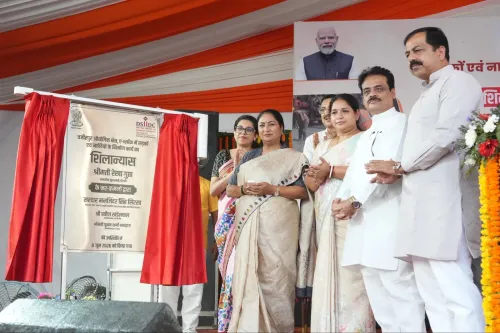
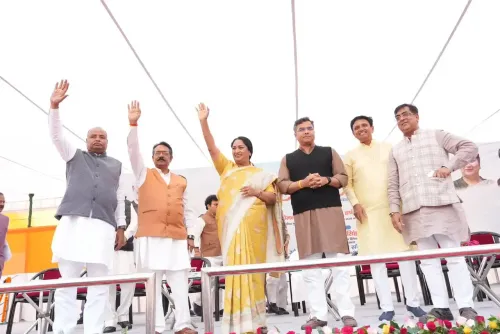
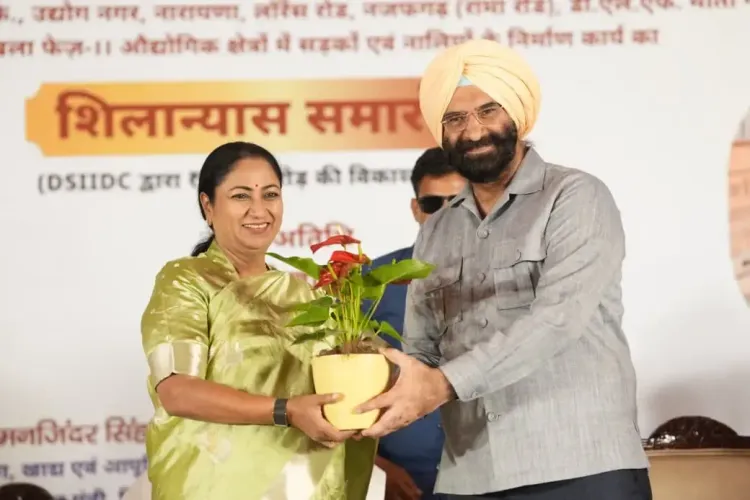
Delhi Chief Minister Rekha Gupta on Tuesday, 13 October 2026, launched infrastructure development projects worth ₹170 crore across nine industrial areas in the capital, aimed at upgrading roads, strengthening drainage systems, and resolving long-pending civic deficiencies. The inauguration took place at Rajasthani Udyog Nagar Industrial Area, signalling the government's push to modernise Delhi's industrial corridors.
What the Projects Cover
The package includes the construction and improvement of approximately 15 km of roads and the development of around 34 km of stormwater drainage networks. Underground utility ducts will also be laid to carry electricity, water, telecommunications and other services — a measure designed to eliminate the cycle of repeated road excavation that has long disrupted industrial zones.
The projects span Rajasthani Udyog Nagar, GTK Udyog Nagar, Naraina Industrial Area, Lawrence Road, Najafgarh (Rama Road), DLF Moti Nagar, Nangloi Jat and S-Block, and Okhla Phase II, among other locations.
What the Government Said
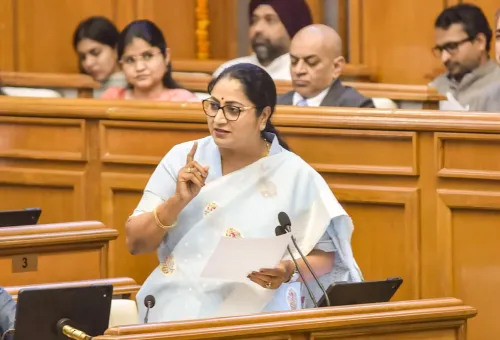
Chief Minister Gupta said industrial development is a key government priority and gave assurances that funding for upgrading industrial areas would not be constrained. She said the initiative would improve connectivity, reduce waterlogging and create a cleaner, more efficient environment for businesses. 'No industrial area in Delhi would be left out of the development process,' she added.
Industries Minister Manjinder Singh Sirsa noted that industrial areas had suffered from infrastructure deficiencies for years, with inadequate investment over the past 25 years leaving numerous roads in poor condition. He stressed that the initiative would go beyond road construction to include regular maintenance and upkeep — a shift intended to ensure lasting outcomes rather than one-off repairs.
Why It Matters for Delhi's Economy
Delhi's industrial clusters are critical nodes of employment and goods movement. Persistent waterlogging, potholed roads and tangled overhead utilities have long been cited by industry bodies as operational bottlenecks that inflate logistics costs and deter fresh investment. Sirsa said improved roads, drainage and utility management would enhance the movement of goods, improve business efficiency and support industrial growth — and, in turn, create a stronger foundation for employment generation.
Notably, the introduction of underground utility ducts is a relatively uncommon feature in Delhi's industrial area upgrades, and could reduce disruption-related downtime for businesses in the years ahead if implemented at scale.
What Comes Next
The government reiterated its commitment to extending development works across industrial areas based on their specific infrastructure needs, suggesting further project tranches may follow once the current set is under way. Industry stakeholders and businesses operating in the covered zones will be watching whether timelines and quality benchmarks hold — a concern that has dogged past urban infrastructure programmes in the capital.
Point of View
But the more telling signal is the 25-year neglect figure cited by Minister Sirsa — an implicit acknowledgement that successive Delhi governments let core industrial infrastructure erode. The inclusion of underground utility ducts is a structurally sound design choice that, if executed well, breaks the costly excavate-repair-excavate loop. The real accountability test, however, lies in maintenance commitments: Delhi's urban infrastructure record is littered with well-inaugurated projects that degraded within two monsoon cycles. Whether regular upkeep is budgeted and monitored — not just promised at a launch event — will determine whether this is a genuine reset or another headline number.
NationPress
14 Oct 2026
Frequently Asked Questions
What are the ₹170 crore infrastructure projects launched by Delhi CM Rekha Gupta?
The projects are a ₹170 crore package of road construction, stormwater drainage development and utility duct installation across nine industrial areas in Delhi, launched on 13 October 2026. They cover approximately 15 km of roads and 34 km of drainage networks to ease industrial operations and reduce waterlogging.
Which industrial areas in Delhi are covered under these projects?
The projects cover Rajasthani Udyog Nagar, GTK Udyog Nagar, Naraina Industrial Area, Lawrence Road, Najafgarh (Rama Road), DLF Moti Nagar, Nangloi Jat and S-Block, and Okhla Phase II, among other locations across Delhi.
Why have Delhi's industrial areas needed this investment?
According to Industries Minister Manjinder Singh Sirsa, Delhi's industrial areas have faced infrastructure deficiencies for years, with inadequate development over the past 25 years leaving roads in poor condition and drainage systems overwhelmed. Persistent waterlogging and road damage have raised logistics costs and hurt business efficiency.
What is the significance of the underground utility ducts in the project?
Underground utility ducts will consolidate electricity, water, telecom and other service lines beneath the road surface, eliminating the need for repeated excavation every time a utility needs maintenance or upgradation. This reduces road damage, cuts disruption for businesses and lowers long-term maintenance costs.
What happens after these projects are completed?
The Delhi government has committed to extending similar development works to other industrial areas based on their infrastructure needs, suggesting further project tranches are planned. Authorities have also emphasised regular maintenance and upkeep, rather than one-off construction, to ensure lasting impact.