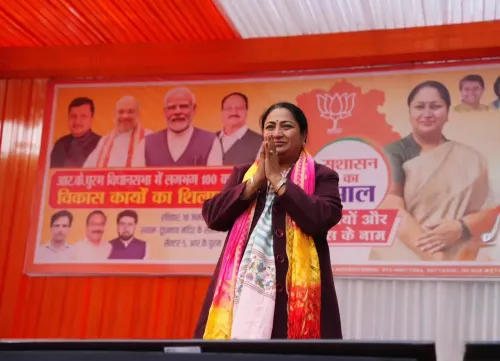
CM Rekha Gupta Launches ₹214 Cr Projects Across 5 Delhi Zones

Synopsis
Delhi CM Rekha Gupta inaugurated 53 development projects worth ₹214 crore across Kirari, Bawana, Mundka, Narela and Nangloi Jat under Seva Sankalp Abhiyan on September 27, 2026, targeting roads and waterlogging relief for thousands of families in outer Delhi.
Key Takeaways
53 development projects worth ₹214 crore inaugurated by Delhi CM Rekha Gupta on September 27, 2026 .
Projects span five constituencies: Kirari, Bawana, Mundka, Narela and Nangloi Jat .
Key deliverables include better roads and waterlogging relief for families in outer Delhi.
Inaugurations conducted under Seva Sankalp Abhiyan , the BJP's local-delivery programme in Delhi.
The drive aligns with the Viksit Delhi branding linked to national Viksit Bharat goals.
Targeted constituencies include resettlement colonies and industrial belts historically underserved on civic infrastructure.
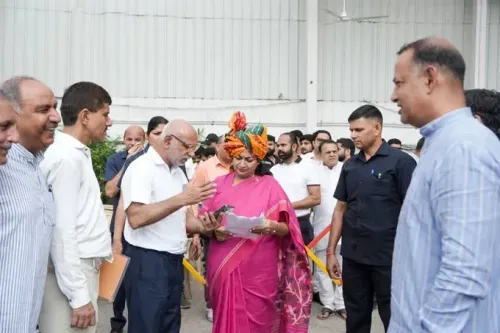
For families in Kirari, Bawana, Mundka, Narela and Nangloi Jat who have watched their lanes flood every monsoon and waited years for a smooth stretch of road, Sunday, September 27, 2026 carried a concrete promise: Delhi Chief Minister Rekha Gupta inaugurated 53 development projects worth ₹214 crore across these five constituencies under the Seva Sankalp Abhiyan.
₹214 crore targeting outer Delhi's longest-pending gaps
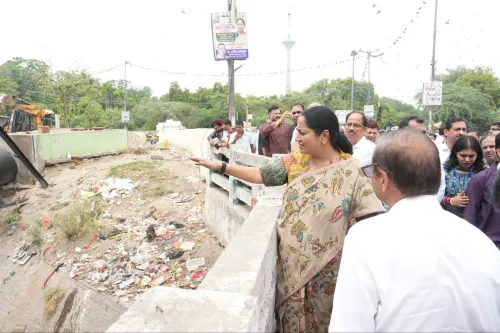
The projects — focused on better roads and relief from chronic waterlogging — are directed at the capital's peripheral assembly segments, areas that blend urban villages, resettlement colonies, and industrial estates. These zones have historically sat at the back of the queue when civic budgets were allocated, making even modest infrastructure upgrades a years-in-coming milestone for residents.
Narela and Bawana, both in North West Delhi, carry a particular mix of industrial density and resettlement-colony populations — communities that moved here in large numbers from older Delhi localities and have since been pressing for basic amenities. Mundka and Nangloi Jat similarly sit on the city's western edge, where rapid population growth has consistently outpaced civic infrastructure.
Seva Sankalp Abhiyan: the BJP's local-delivery vehicle
Seva Sankalp Abhiyan is the BJP's framework for targeted constituency-level development and public service delivery in Delhi — a campaign designed to move visible local works from announcement to ground-level execution. The Chief Minister's framing on Sunday placed the drive squarely within the #ViksitDelhi umbrella, the state-level branding that mirrors the national Viksit Bharat vision of comprehensive development.
Delhi governments across administrations have periodically announced urban infrastructure packages for outer constituencies since the 2010s. What the current drive signals is a sustained focus on peripheral segments under a single, named programme — with the expectation that execution timelines and any additional phases for remaining Delhi constituencies will be closely watched.
What this means for thousands of households
CM Gupta framed the stakes plainly: 'thousands of families who have waited years for basic infrastructure' stand to see 'better roads, relief from waterlogging and a meaningful change in everyday life.' Waterlogging has been a persistent monsoon-season grievance across these belts, disrupting daily commutes and damaging property with each heavy spell. A functioning drainage network is not an amenity here — it is a livelihood question.
The political calculus is equally clear. Constituencies like Kirari and Bawana carry large voter populations in resettlement clusters where visible, tangible delivery on civic basics can translate directly into electoral trust. Fifty-three projects in a single inauguration round is a statement of pace as much as it is of scale.
The real test, as always, will be in the completion rate — and whether a second phase of Seva Sankalp Abhiyan extends the same momentum to the constituencies still waiting their turn.
Point of View
CM Gupta is setting a benchmark for pace and scale that will define how the administration is judged mid-term. The Viksit Delhi framing also ties local ward-level outcomes to the national Viksit Bharat narrative, giving the party a coherent story that links neighbourhood roads to a larger developmental arc. Whether execution matches the inauguration energy — and whether subsequent Seva Sankalp phases reach remaining constituencies on schedule — will determine if this becomes a durable governance story or a headline moment.
NationPress
27 Sept 2026
Frequently Asked Questions
What is Seva Sankalp Abhiyan in Delhi?
Seva Sankalp Abhiyan is a BJP initiative in Delhi designed for targeted, constituency-level development and public service delivery, aiming to translate local infrastructure needs into ground-level executed projects.
How many projects did Rekha Gupta inaugurate on September 27 2026?
Delhi CM Rekha Gupta inaugurated 53 development projects worth ₹214 crore on September 27, 2026, spanning Kirari, Bawana, Mundka, Narela and Nangloi Jat.
Which areas in Delhi got new infrastructure under Seva Sankalp Abhiyan?
The projects cover five constituencies in outer Delhi: Kirari, Bawana, Mundka, Narela and Nangloi Jat , focusing on roads and waterlogging relief.
What is Viksit Delhi?
Viksit Delhi is the state-level development branding used by the BJP-led Delhi government to align local infrastructure and governance improvements with the national Viksit Bharat vision.
Why do Narela and Bawana need infrastructure investment?
Narela and Bawana are North West Delhi constituencies with dense resettlement colonies and industrial estates that have historically lagged in basic civic amenities like proper roads and drainage systems.