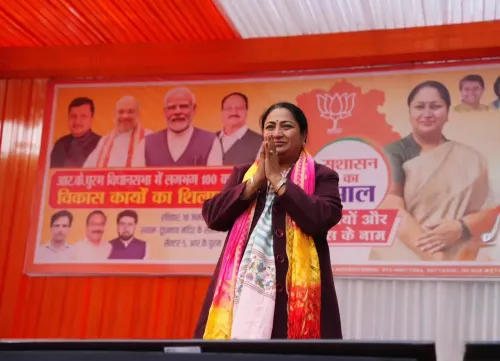
CM Rekha Gupta Lays Foundation for Delhi Mandi Upgrades
Synopsis
Delhi Chief Minister Rekha Gupta launched foundation-stone laying for infrastructure works across Keshavpur, Narela and Azadpur mandis on October 16, including roads, sheds, drainage and modern weighing systems, under the Seva Sankalp Abhiyan campaign.
Key Takeaways
CM Rekha Gupta launched mandi development works on October 16, 2026 from the APMC office, Azadpur .
Keshavpur Mandi will receive new internal roads to ease goods movement.
Narela Anaj Mandi will get new sheds to prevent post-harvest grain losses.
Azadpur Mandi — one of Asia's largest wholesale markets — will see improved sewer and drainage infrastructure plus a modern weighing system.
The initiative falls under the Seva Sankalp Abhiyan campaign and aligns with national APMC modernisation efforts linked to the e-NAM scheme launched in 2016 .
Senior BJP figures including MP Yogendra Chandolia and Cabinet Minister Kapil Mishra were present at the ceremony.
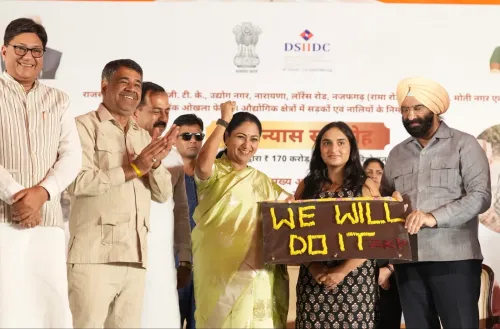
Delhi's wholesale markets — the arteries through which millions of kilograms of farm produce flow every day — are getting a structural overhaul. Delhi Chief Minister Rekha Gupta on Friday, October 16, 2026, laid the foundation stones for infrastructure development works across several key mandis (wholesale markets) in the capital, launching the initiative from the APMC office in Azadpur under the Seva Sankalp Abhiyan campaign.
What gets built — and where
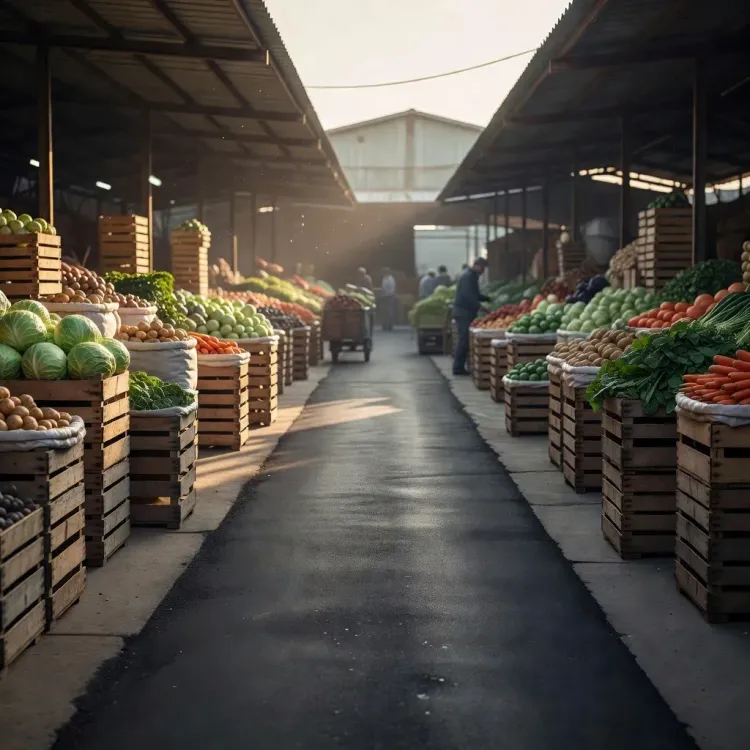
Four upgrades are on the table across three major markets. Keshavpur Mandi will see new road construction to ease the movement of goods-laden vehicles that currently navigate crumbling internal lanes. Narela Anaj Mandi will receive new sheds to protect grain stocks from the elements — a persistent source of post-harvest loss. And Azadpur Mandi, one of Asia's largest wholesale fruit and vegetable markets, will get an improved sewer and drainage network along with a modern weighing system to reduce disputes over produce measurement.
CM Gupta framed the drive in direct terms: 'Dilli ki mandiyan hamare annadataon ki mehnat aur lakhon parivaron ki aajeevika se judi hain' — 'Delhi's mandis are linked to the hard work of our farmers and the livelihoods of millions of families.' The physical upgrades, she said, are a government priority.
Azadpur's weight in Delhi's food chain
Azadpur Mandi in North Delhi is not just a market — it is a pricing hub whose daily rates ripple across vegetable stalls from Connaught Place to Chandni Chowk. Managed under the Agricultural Produce Market Committee (APMC) framework, the market handles a staggering volume of fruits and vegetables sourced from farms across Haryana, UP, Himachal Pradesh and beyond. Congestion, outdated drainage, and disputes over archaic weighing methods have long been friction points for traders and farmers alike.
The announced modern weighing system directly targets the last of those grievances — a small technological fix with outsized trust implications for farmers who have historically been shortchanged at the weighing post.
The bigger BJP mandi-modernisation push
The foundation-laying fits a broader pattern visible in BJP-governed states: physical upgrades to APMC mandis running in parallel with the central government's digital integration drive under the National Agriculture Market (e-NAM) scheme, launched in 2016. Roads, sheds, drainage and certified weighing stations are the analog infrastructure without which digital price discovery means little — a lesson that shaped subsequent mandi-reform thinking nationally.
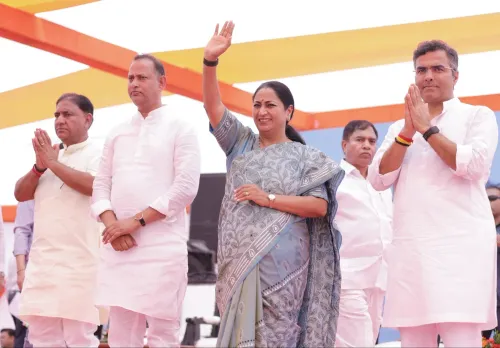
Present at the Azadpur ceremony were MP Yogendra Chandolia, Cabinet Minister Kapil Mishra, Delhi Agricultural Marketing Board Vice-Chairman Anuj Sharma, and MLA Rajkumar Bhatia — a cross-section of the BJP's Delhi legislative and administrative machinery signalling institutional weight behind the announcements.
The real test arrives in the coming months: whether construction timelines hold, budgets are allocated in the upcoming Delhi assembly session, and the annadatas — the farmers CM Gupta invoked — actually feel the difference at the gate.
Point of View
The BJP is trying to convert mandi traders and the farming communities that supply them into a durable political constituency ahead of future electoral cycles. The inclusion of a modern weighing system is a telling detail: it signals awareness that farmer trust is lost at the smallest transactional point, not just in grand policy. Whether the construction timelines survive Delhi's notoriously delayed civic execution will determine whether today's foundation stones become electoral assets or liabilities.
NationPress
16 Oct 2026
Frequently Asked Questions
What is the Seva Sankalp Abhiyan in Delhi?
Seva Sankalp Abhiyan is a campaign under which the Delhi government is undertaking development and infrastructure works; CM Rekha Gupta used it as the framework for the October 16 mandi foundation-stone ceremony.
Which Delhi mandis will be developed under the new project?
Three mandis are covered: Keshavpur Mandi (road construction), Narela Anaj Mandi (new sheds), and Azadpur Mandi (sewer, drainage and modern weighing system).
What is APMC and how does it relate to Delhi's mandis?
APMC stands for Agricultural Produce Market Committee — a regulatory body that oversees the functioning, infrastructure and trade rules of wholesale agricultural markets. Delhi's major mandis including Azadpur operate under APMC oversight.
Why is Azadpur Mandi significant?
Azadpur Mandi in North Delhi is among Asia's largest wholesale fruit and vegetable markets, and its daily prices influence retail rates across the capital and surrounding regions.
What is the e-NAM scheme and how is it connected to mandi upgrades?
The National Agriculture Market (e-NAM) is a central government scheme launched in 2016 to digitally integrate mandis for transparent price discovery; physical upgrades like roads, sheds and certified weighing systems are considered essential supporting infrastructure for e-NAM to work effectively.