Mandaviya joins Yuva Samvad at Gondal college, backs Viksit Bharat
Synopsis
Union Minister Mansukh Mandaviya visited M. B. Arts and Commerce College in Gondal, Gujarat, on September 26 for a Yuva Samvad programme, invoking the Viksit Bharat vision and framing youth energy as the cornerstone of India's development goal.
Key Takeaways
Mansukh Mandaviya , Union Minister of Youth Affairs and Sports, attended a Yuva Samvad programme on September 26, 2026 .
The event was held at M.
Arts and Commerce College in Gondal, Rajkot district, Gujarat .
Mandaviya framed youth energy as 'the foundation of Viksit Bharat ' — India's 2047 developed-nation vision.
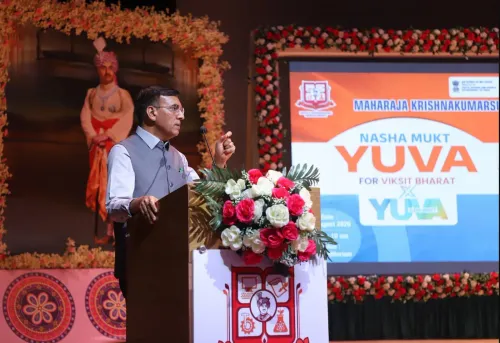
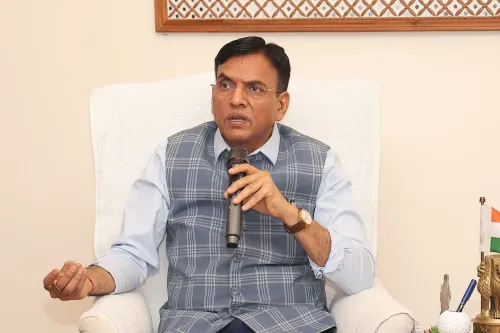
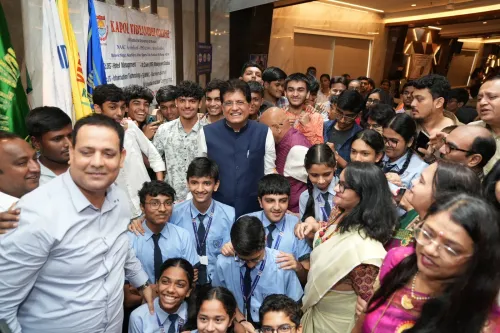
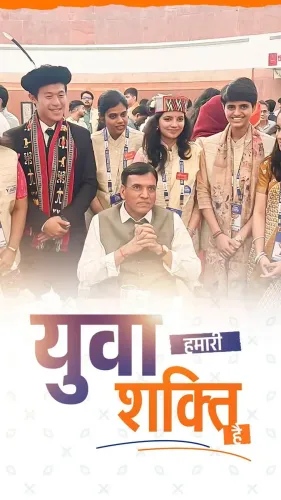
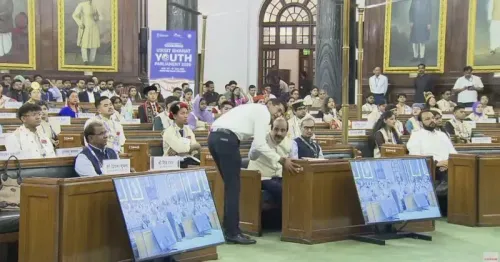
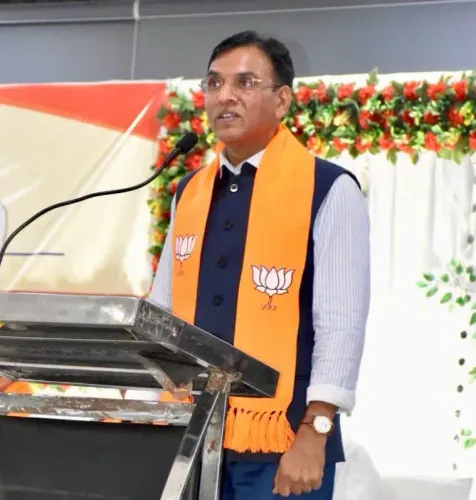
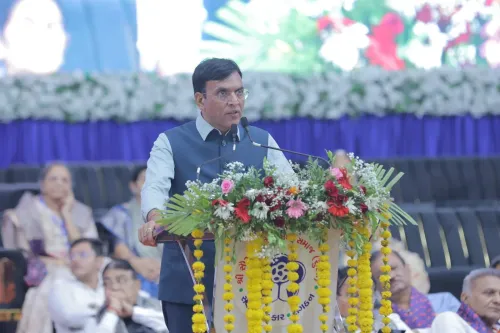
The minister shared four images from the campus visit on X, indicating a substantive on-ground programme.
The visit continues a pattern of BJP ministers holding youth portfolios conducting in-person campus outreach across Gujarat.
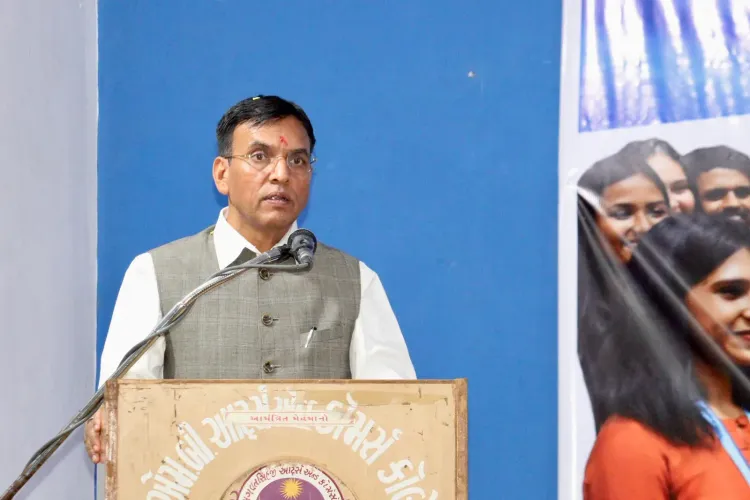
Youth energy as the foundation of a developed India — that is the message Union Minister of Labour and Sports Mansukh Mandaviya carried to Gondal, Gujarat, on Saturday, September 26, 2026, when he addressed students at the M. B. Arts and Commerce College for a Yuva Samvad programme.
Posting in Gujarati on X, Mandaviya wrote: 'યુવા ઊર્જા - વિકસિત ભારત નો આધાર!' — 'Youth energy — the foundation of Viksit Bharat!' — framing the college gathering as a direct contribution to the government's signature long-term vision of a fully developed India by 2047.
Gondal as a pit-stop on Gujarat's youth circuit
Gondal, a town in Rajkot district, is squarely within Mandaviya's home-state political terrain. His appearance at M. B. Arts and Commerce College fits a sustained pattern of BJP ministers holding union portfolios for youth affairs making in-person campus visits, particularly across Gujarat, to convert the government's demographic-dividend argument into a face-to-face conversation with the students who will have to deliver on it.
The Yuva Samvad format — literally a 'youth dialogue' — is designed as an interactive exchange rather than a one-way address, giving college audiences a direct channel to a sitting cabinet minister. Four images shared alongside the post showed the minister on campus, signalling a substantive programme rather than a fleeting appearance.
Viksit Bharat's youth plank, one campus at a time
The Viksit Bharat framework, the central government's blueprint for India reaching developed-nation status by the centenary of Independence, rests heavily on what policymakers call India's demographic dividend — the reality that India's median age remains among the lowest of any major economy. Mandaviya, holding the Youth Affairs and Sports portfolio, is among the ministers most directly tasked with translating that dividend from a talking point into measurable outcomes: employment, sports achievement, skill development, and civic participation.
Grassroots campus dialogues serve that agenda precisely because they are unscripted and local — a cabinet minister sitting with arts and commerce undergraduates in a mid-sized Gujarat town lands differently than a nationally televised address. Whether the ministry announces a follow-up youth dialogue calendar for Gujarat or other states will signal how seriously this single event is being scaled.
India has roughly 1,000 million citizens under the age of 35. If even a fraction of that cohort converts aspiration into enterprise, sport, or public service, the Viksit Bharat arithmetic starts to work. Mandaviya's Gondal visit is one data point in that larger bet.
Point of View
Where the next wave of voters and workforce participants are forming their political and economic identities. For a minister who holds both Labour and Youth Affairs portfolios, the optics of a 'dialogue' rather than a rally matter: it positions the government as listening rather than lecturing. The frequency of such visits in Gujarat specifically also keeps Mandaviya visible in his home-state base ahead of any future electoral cycle. The real policy test, however, is whether these dialogues feed back into ministry programmes or remain primarily symbolic outreach.
NationPress
26 Sept 2026
Frequently Asked Questions
What is Yuva Samvad and why does Mandaviya attend these events?
Yuva Samvad is an interactive youth dialogue format where ministers engage directly with college students. Mandaviya attends as Union Minister of Youth Affairs and Sports to discuss the government's Viksit Bharat vision and hear student concerns.
Where is M. B. Arts and Commerce College, Gondal?
M. B. Arts and Commerce College is located in Gondal, a town in Rajkot district, Gujarat. It hosted the Yuva Samvad programme that Mandaviya attended on September 26, 2026.
What is Viksit Bharat?
Viksit Bharat is the central government's vision to make India a fully developed nation by 2047, the centenary of Independence. It emphasises economic growth, infrastructure, and harnessing India's young demographic as a key driver.
What portfolio does Mansukh Mandaviya currently hold?
Mansukh Mandaviya is Union Minister of Labour and Employment and Youth Affairs and Sports, and is a senior BJP leader from Gujarat.
Why is youth outreach important for the Viksit Bharat goal?
India's large young population is central to the Viksit Bharat framework. Policymakers argue that channelling youth energy into employment, skill development, and civic participation is essential for India to achieve developed-nation status by 2047.