Mandaviya: PM Modi's 'Kem Cho' wins Gen Z hearts
Synopsis
Union Minister Mansukh Mandaviya highlighted on X how Prime Minister Modi's use of the Gujarati greeting 'Kem Cho' captured the imagination of India's Gen Z, reflecting the BJP's sustained strategy of blending regional cultural identity with digital youth outreach.
Key Takeaways
Union Minister Mansukh Mandaviya posted on 26 July 2026 amplifying a video of PM Modi 's Gujarati greeting 'Kem Cho' resonating with Gen Z.
The phrase 'Kem Cho' translates to 'How are you?' in Gujarati and has been part of Modi's public communication since at least 2014 .
The BJP has consistently used regional language and cultural references as a digital outreach strategy, particularly targeting younger voters.
PM Modi's Mann Ki Baat radio programme, launched in 2014 , established the template for direct, conversational engagement with India's youth.
Mandaviya's dual role as Minister for Youth Affairs and Sports and Labour and Employment gives him a direct policy stake in winning Gen Z trust.
The broader policy watch is on upcoming youth-focused sports and employment schemes and parliamentary debates on Gen Z skill development.
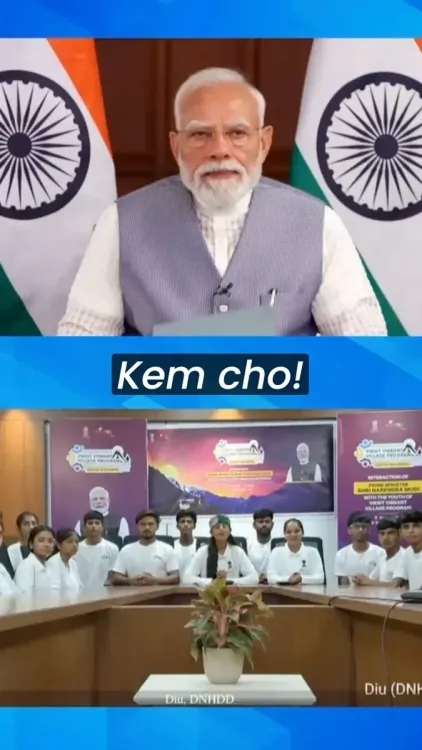
Union Labour and Sports Minister Mansukh Mandaviya on Sunday, 26 July 2026 shared a video on X highlighting how Prime Minister Narendra Modi's use of the Gujarati greeting 'Kem Cho' (meaning 'How are you?') has resonated strongly with India's Gen Z audience, drawing widespread appreciation online.
Context
Mandaviya's post — captioned 'पीएम मोदी जी के 'केम छो' ने जीता Gen Z का दिल' ('PM Modi Ji's 'Kem Cho' has won the heart of Gen Z') — accompanied a video that captured the enthusiasm of younger Indians responding to the Prime Minister's culturally rooted greeting. The clip underscores a recurring dynamic in Indian public life: a political leader's use of a regional phrase going viral among youth.
The Gujarati phrase 'Kem Cho' is among the most recognisable greetings from the state and has been part of Modi's public communication toolkit since he rose to national prominence. Its use in digital content tends to generate strong social media engagement, particularly among younger users who appreciate the informal, relatable register.
Policy Backdrop
The BJP's deliberate blending of regional cultural identity with governance messaging has been a consistent feature since at least 2014, when Prime Minister Modi launched the Mann Ki Baat radio programme to speak directly to citizens — including youth — in an accessible, conversational tone. That programme, now running for over a decade, established a template for leaders to bypass formal media and engage audiences directly.
Mandaviya, as Union Minister for Youth Affairs and Sports in addition to Labour and Employment, has a direct institutional stake in Gen Z engagement. His ministry oversees schemes related to youth skill development, sports infrastructure, and employment generation — areas where winning the trust and attention of younger Indians is a policy priority, not merely a communications exercise.
Stakeholders and Impact
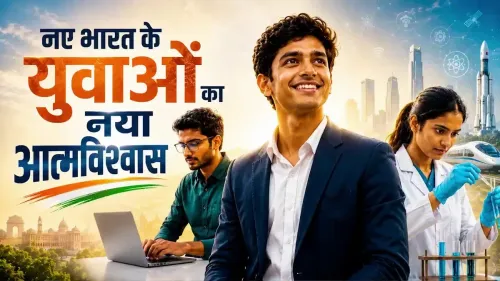
India's Gen Z — broadly those born between the late 1990s and early 2010s — represents one of the country's largest and most digitally active demographic cohorts. Their engagement with political content on platforms such as X, Instagram, and YouTube has made youth-oriented communication a strategic priority for parties across the spectrum.
For the BJP, moments where the Prime Minister's cultural references generate organic viral traction serve a dual purpose: reinforcing emotional connect with Gujarati-speaking communities while simultaneously projecting an image of a leader who is relatable to younger, social-media-native voters. Mandaviya's amplification of such a moment signals the party's intent to keep that narrative active on digital platforms.
What's Next
The broader watch remains on whether this cultural outreach translates into concrete policy momentum — including the rollout of new youth-focused sports or employment schemes and any parliamentary deliberations on Gen Z skill development initiatives under Mandaviya's ministries. As India's demographic dividend peaks over the next decade, the political contest for youth attention is expected to intensify, making moments of organic cultural resonance increasingly valuable currency for all parties.
Point of View
Digitally native appeal. This matters because youth voter turnout and social media sentiment have become increasingly consequential in Indian electoral politics. The cultural-linguistic dimension — deploying a Gujarati greeting to generate pan-India viral traction — also reinforces the party's ability to project regional pride as a national asset.
NationPress
26 Jul 2026
Frequently Asked Questions
What does 'Kem Cho' mean in Gujarati?
'Kem Cho' is a common Gujarati greeting meaning 'How are you?' It is widely associated with PM Narendra Modi, who frequently uses it in public addresses and digital content.
Why did Mansukh Mandaviya post about PM Modi's 'Kem Cho'?
Mandaviya shared a video on 26 July 2026 highlighting how Modi's use of the Gujarati greeting resonated with India's Gen Z, aligning with the BJP's broader youth outreach strategy.
Who is Mansukh Mandaviya?
Mansukh Mandaviya is a senior BJP leader from Gujarat and currently serves as India's Union Minister of Labour and Employment and Youth Affairs and Sports.
How has PM Modi used regional languages to connect with youth?
Modi has incorporated Gujarati phrases such as 'Kem Cho' in speeches and digital content since at least 2014, and launched the Mann Ki Baat radio programme to communicate directly with citizens including younger demographics.
What is the BJP's Gen Z outreach strategy in India?
The BJP has consistently blended regional cultural references, social media content, and direct communication formats like Mann Ki Baat to build rapport with younger, digitally active Indian voters.