Mandaviya Urges Youth to Share 'First Village' Experiences
Synopsis
Union Minister Mansukh Mandaviya on 26 July 2026 relayed PM Modi's appeal for Indian youth to share their 'First Village' experiences with at least 100 peers, amplifying the #Youth4ViksitBharat campaign aimed at grassroots mobilisation for the Viksit Bharat 2047 vision.
Key Takeaways
Union Minister Mansukh Mandaviya posted the appeal on 26 July 2026 under #Youth4ViksitBharat .
The message relays PM Narendra Modi's direct call for youth to share 'First Village' experiences with at least 100 fellow youths .
The appeal is rooted in the Viksit Bharat vision of achieving developed-nation status by 2047 .
The Viksit Bharat Sankalp Yatra (2023) established the precedent of village-level outreach as a government mobilisation tool.
Institutions such as NYKS and NSS under the Youth Affairs Ministry are potential channels for scaling the initiative.
The peer-outreach model — each youth reaching 100 more — aims for exponential grassroots spread beyond official digital channels.
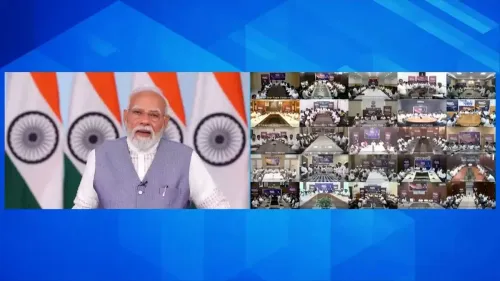
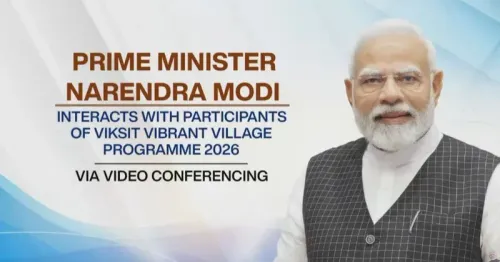
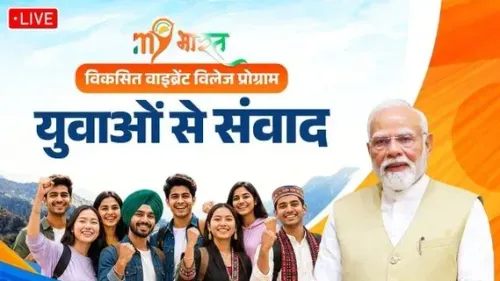
Union Labour and Sports Minister Mansukh Mandaviya on Sunday, 26 July 2026 called on young Indians to share their 'First Village' experiences with at least 100 fellow youths, amplifying a direct appeal from Prime Minister Narendra Modi under the #Youth4ViksitBharat campaign.
Context
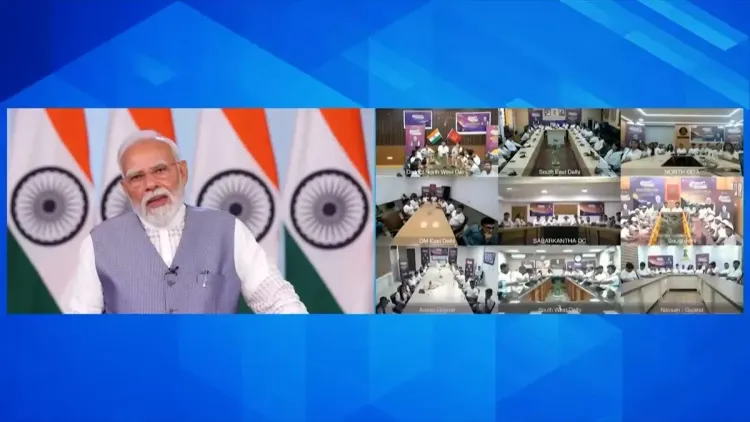
Mandaviya's post relays a message attributed to PM Modi — 'मेरा सभी युवा साथियों से आग्रह है कि आप कम से कम 100 युवाओं को अपने First Village के अनुभव जरूर Share करें' ('I urge all my young friends to definitely share your First Village experiences with at least 100 youths') — tagging the Prime Minister's official handle and carrying the campaign hashtag #Youth4ViksitBharat. The post is accompanied by a video and was shared in the evening hours from the minister's verified account.
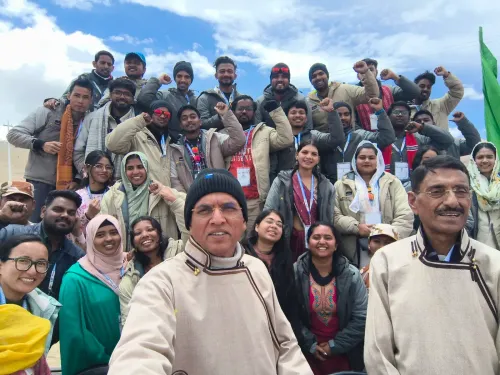
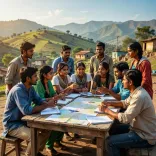
The appeal centres on a concept referred to as the 'First Village' experience, framing village-level engagement as a formative, shareable moment that young people should actively propagate within their peer networks.
Policy Backdrop
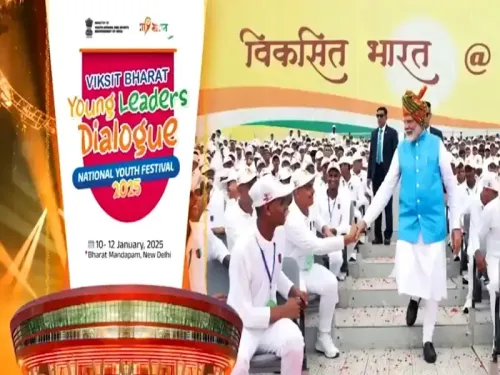
The call fits squarely within the Viksit Bharat framework — the government's flagship vision to achieve developed-nation status for India by 2047, the centenary of independence. Youth participation has been positioned as a cornerstone of this mission since its articulation by PM Modi.
In 2023, the government rolled out the Viksit Bharat Sankalp Yatra, a nationwide village-to-village outreach drive designed to connect citizens directly with central welfare schemes and build grassroots ownership of development goals. The current messaging continues that trajectory by asking young people to serve as peer multipliers rather than passive recipients of government programmes.
The Youth Affairs and Sports Ministry, which Mandaviya heads alongside the Labour portfolio, oversees key youth-outreach institutions including the Nehru Yuva Kendra Sangathan (NYKS) and the National Service Scheme (NSS) — both of which have historically served as vehicles for village-level youth mobilisation.
Stakeholders and Impact
The immediate audience is India's large youth demographic, particularly those who have participated in or are aware of village-immersion or rural-engagement programmes linked to the Viksit Bharat initiative. By setting a concrete peer-outreach target of 100 individuals per youth, the campaign attempts to convert digital engagement into measurable ground-level spread.
Rural communities stand to be the indirect beneficiaries if the peer-sharing exercise translates into greater awareness of welfare schemes and development programmes at the village level. Ministers amplifying PM Modi's calls through their own social media accounts is a well-established pattern in the current government's communication strategy, extending official narratives into local and vernacular networks.
What's Next
The push around #Youth4ViksitBharat is likely to intensify ahead of major national events on the calendar. Observers expect the campaign to potentially feed into state-level youth conclaves and could be integrated into the programme calendars of NYKS and NSS units across the country. The emphasis on peer-to-peer amplification — each youth reaching 100 more — suggests the government is aiming for exponential grassroots reach beyond what official channels alone can deliver.
Point of View
Converting a policy programme into a personal, shareable narrative. Setting a concrete peer-outreach target of 100 individuals adds a quasi-gamified accountability layer that distinguishes this from routine campaign hashtags. If the messaging is sustained through institutional channels like NYKS and NSS, it could meaningfully extend the Viksit Bharat narrative into non-digital, vernacular spaces ahead of 2027 state election cycles.
NationPress
26 Jul 2026
Frequently Asked Questions
What is the #Youth4ViksitBharat campaign?
#Youth4ViksitBharat is a social media and grassroots outreach campaign promoting youth participation in India's Viksit Bharat mission, which aims to make India a developed nation by 2047.
What did Mansukh Mandaviya say about the First Village experience?
Mandaviya relayed PM Modi's appeal urging all young Indians to share their 'First Village' experiences with at least 100 fellow youths to build peer networks in support of national development goals.
What is Viksit Bharat and who launched it?
Viksit Bharat is a national initiative launched by Prime Minister Narendra Modi with the goal of achieving developed-country status for India by 2047, the centenary of independence, with a strong emphasis on youth and grassroots engagement.
What was the Viksit Bharat Sankalp Yatra?
The Viksit Bharat Sankalp Yatra was a village-to-village outreach drive launched in 2023 to connect citizens directly with central government welfare schemes and build grassroots ownership of India's development agenda.
What role does Mansukh Mandaviya play in youth affairs?
Mansukh Mandaviya is the Union Minister of Youth Affairs and Sports as well as Labour and Employment, making him responsible for youth outreach bodies such as the Nehru Yuva Kendra Sangathan and the National Service Scheme.