CM Bhagwant Mann Forms 11-Member NGO Coordination Panel
Synopsis
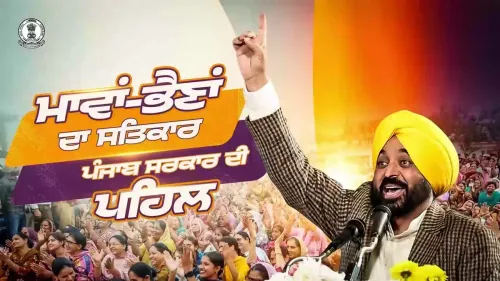
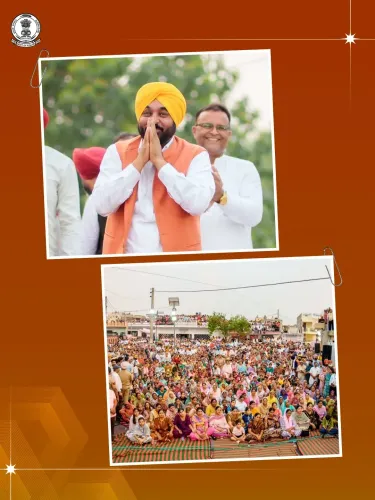
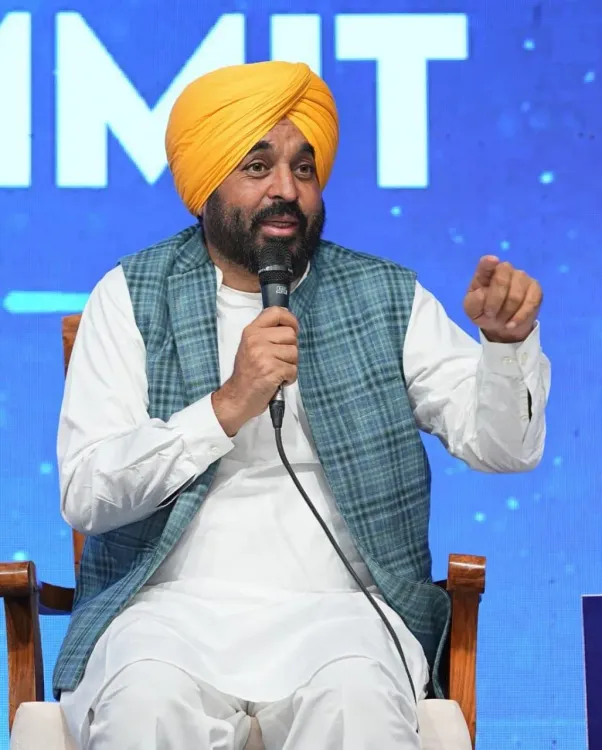
Punjab Chief Minister Bhagwant Mann attended the Punjab Seva Sammelan organised by Global Sikhs on June 10, 2026, and announced an 11-member Coordination Committee of government and NGO representatives to improve welfare delivery and disaster response at the grassroots level.
Key Takeaways
CM Bhagwant Mann attended the Punjab Seva Sammelan hosted by Global Sikhs on June 10, 2026 .
An 11-member Coordination Committee comprising government and NGO representatives was announced at the event.
The committee's mandate covers streamlining ground-level welfare delivery and improving coordination during natural disasters.
The move aligns with AAP's 2022 manifesto commitment to structured civil-society partnerships in governance.
Global Sikhs is a diaspora-led humanitarian organisation; the sammelan brought together NGO representatives from across Punjab .
The committee's composition and operational details are yet to be formally notified.
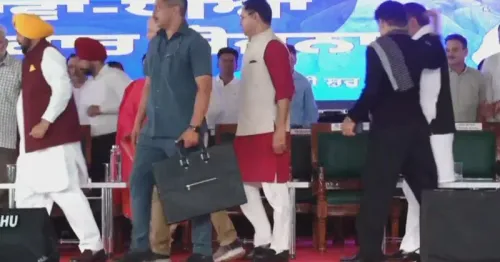
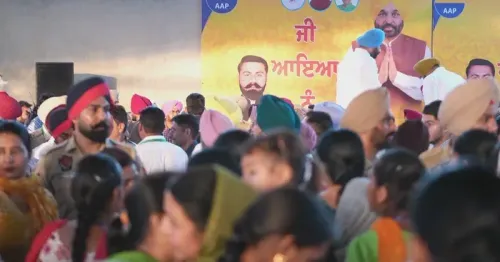
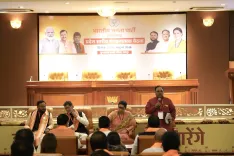
Punjab Chief Minister Bhagwant Mann on Wednesday, June 10, 2026, attended the Punjab Seva Sammelan organised by Global Sikhs and announced the formation of an 11-member Coordination Committee comprising government and NGO representatives to streamline welfare delivery and disaster response across the state.
Context
Addressing NGO representatives at the sammelan, CM Mann said — in Punjabi — 'ਲੋਕ ਭਲਾਈ ਦੇ ਕੰਮਾਂ ਨੂੰ ਜ਼ਮੀਨੀ ਪੱਧਰ ਤੇ ਹੋਰ ਸੁਚਾਰੂ ਢੰਗ ਨਾਲ ਲਾਗੂ ਕਰਨ' ['to implement public welfare work more efficiently at the ground level']. The committee is designed to improve coordination specifically during natural disasters, when gaps between state agencies and voluntary organisations have historically slowed relief operations.
Global Sikhs is a diaspora-led Sikh organisation with a focus on community service and humanitarian initiatives. The Punjab Seva Sammelan brought together representatives of social service bodies from across the state for structured dialogue with the government.
Policy Backdrop
The Aam Aadmi Party's 2022 Punjab election manifesto explicitly committed to transparent, ground-level collaboration with civil society for welfare scheme delivery. Since taking office in March 2022, the Mann government has pursued structured partnerships with non-state actors, mirroring a similar approach taken by AAP administrations in Delhi.
The emphasis on seva ['selfless service'] carries deep resonance in Punjab, where voluntary community work is a cornerstone of Sikh cultural and religious tradition. The new committee formalises what has until now been largely informal coordination between state departments and NGOs during flood seasons and welfare campaigns.
Stakeholders and Impact
The 11-member Coordination Committee will include both government officials and NGO representatives, creating a formal channel for joint planning and resource mobilisation. Communities in flood-prone districts of Punjab — which face recurring inundation during the monsoon — stand to benefit most immediately from improved disaster-response coordination.
Voluntary organisations already operating at the grassroots level on nutrition, health, and education programmes are expected to gain a direct interface with state agencies, reducing duplication and improving the reach of welfare delivery. CM Mann stated that 'ਤੁਹਾਡੀ ਸਰਕਾਰ ਹਮੇਸ਼ਾ ਤੁਹਾਡੇ ਮੋਢੇ ਨਾਲ ਮੋਢਾ ਜੋੜ ਕੇ ਖੜੀ ਹੈ' ['your government always stands shoulder to shoulder with you in every act of service'].
What's Next
The operational details, full membership list, and terms of reference for the 11-member Coordination Committee are yet to be formally notified. Its first test is likely to come during the approaching monsoon season, when flood relief and rescue coordination between state agencies and NGOs becomes critical across several districts of Punjab.
The government's willingness to institutionalise this partnership signals a broader intent to reduce bureaucratic friction in welfare delivery — a theme CM Mann has returned to repeatedly since taking office. How the committee is constituted and whether it receives dedicated resources will determine whether the announcement translates into measurable on-ground impact.
Point of View
Which has staked much of its governance identity on transparent, people-first delivery. By institutionalising what was previously ad hoc collaboration, the government is attempting to close the implementation gap that has long plagued welfare schemes in large states. The timing — ahead of monsoon season — suggests the committee is as much about disaster preparedness as routine welfare. Whether this body gains real authority and resources, or remains ceremonial, will be the true test of AAP's civil-society partnership model in Punjab.
NationPress
26 Oct 2026
Frequently Asked Questions
What is the 11-member Coordination Committee announced by Bhagwant Mann?
It is a new body comprising government officials and NGO representatives, announced by Punjab CM Bhagwant Mann on June 10, 2026, to improve coordination on welfare delivery and disaster response at the grassroots level.
What is the Punjab Seva Sammelan?
The Punjab Seva Sammelan is a conference organised by Global Sikhs to bring together social service organisations and government representatives for dialogue on community welfare initiatives in Punjab.
Who are Global Sikhs?
Global Sikhs is a diaspora-led Sikh organisation focused on community service and humanitarian initiatives, which organised the Punjab Seva Sammelan attended by CM Bhagwant Mann.
Why is the government forming a committee with NGOs in Punjab?
The committee aims to streamline implementation of public welfare schemes at the ground level and ensure better coordination between state agencies and voluntary organisations during natural disasters such as floods.
What does this mean for flood relief in Punjab?
The 11-member committee is expected to improve joint planning and resource mobilisation between state departments and NGOs, particularly ahead of the monsoon season when flood-prone districts of Punjab require rapid, coordinated relief response.