CM Bhagwant Mann pays tribute to Rabindranath Tagore on death anniversary
Synopsis
Punjab Chief Minister Bhagwant Mann marked Rabindranath Tagore's death anniversary on August 7 with a Punjabi-language tribute, honouring the Nobel laureate's contributions to literature, art, and India's national identity through Jana Gana Mana.
Key Takeaways
Punjab CM Bhagwant Mann paid tribute to Rabindranath Tagore on his death anniversary, August 7, 2026 .
Tagore is revered as Gurudev and composed India's national anthem Jana Gana Mana .
He won the Nobel Prize in Literature in 1913 for Gitanjali , becoming the first non-European Nobel laureate in that category.
Mann described Tagore's literary and artistic contributions as an enduring inspiration for Indian society.
Indian leaders across parties routinely mark August 7 with public tributes, reflecting Tagore's cross-ideological national stature.
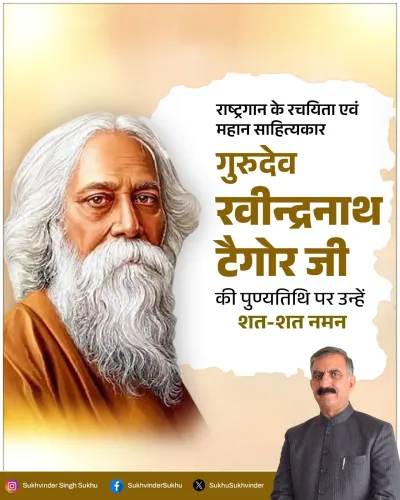
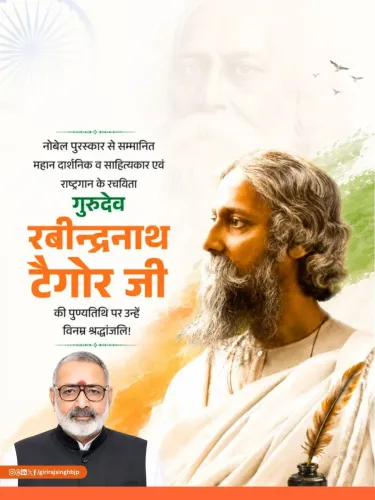
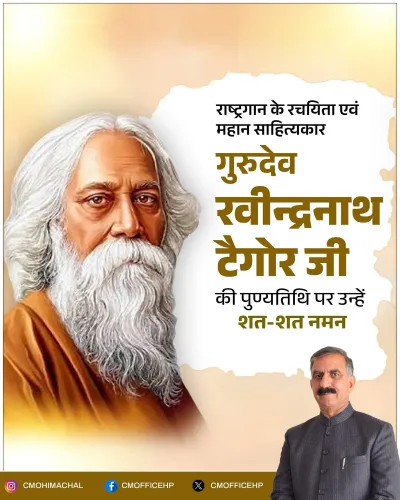
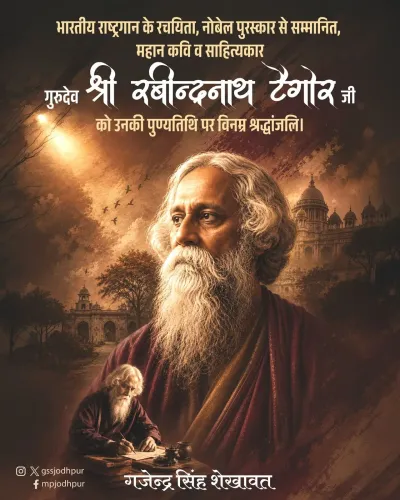
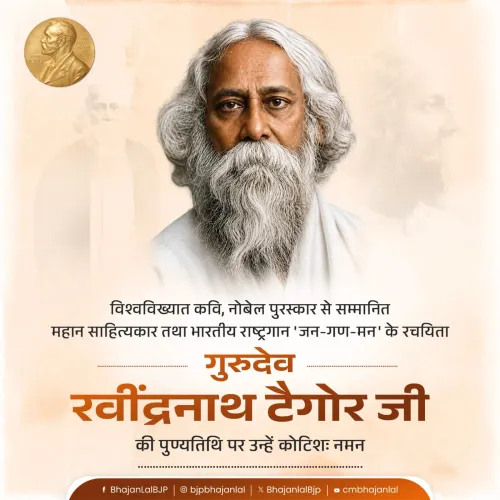
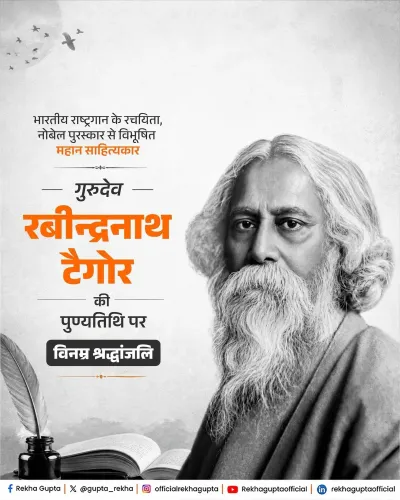
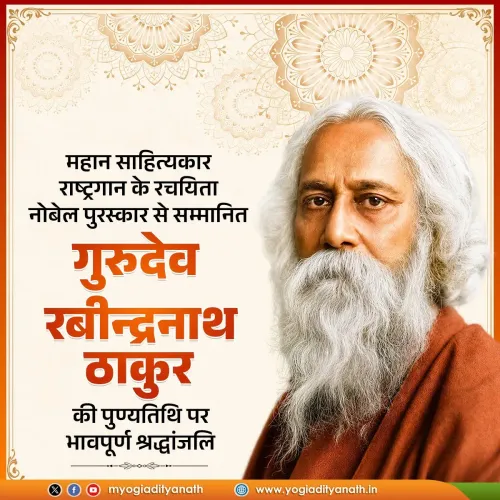
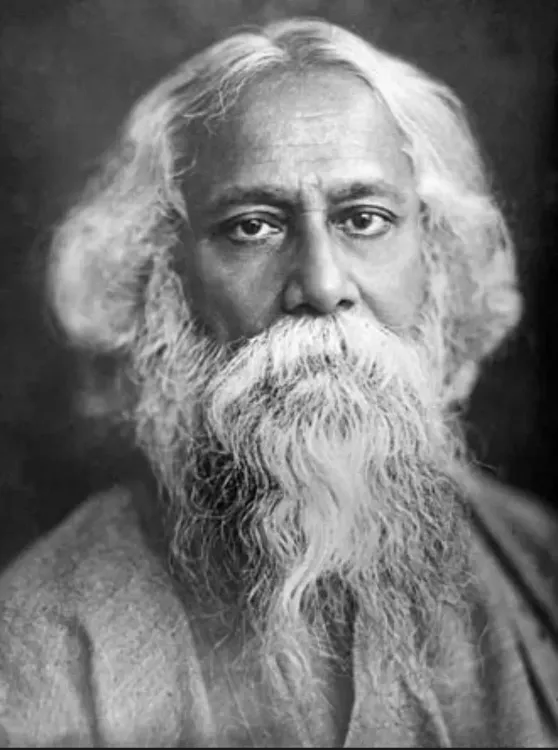
On the death anniversary of one of India's most towering intellects, Punjab Chief Minister Bhagwant Mann paused to honour the man whose words gave the nation its voice — Rabindranath Tagore, the poet, philosopher, and composer of India's national anthem, Jana Gana Mana.
Posting in Punjabi on Friday, August 7, 2026, Mann offered what he called koti-koti pranam — 'salutations in the millions' — to Gurudev Tagore, whose death anniversary falls on this date each year. 'His invaluable contribution to the fields of literature and art will be remembered till the end of time,' Mann wrote, adding that Tagore's writings 'raised India's pride across the entire world.'
The man behind the anthem — and so much more
Rabindranath Tagore was born on May 7, 1861, in Calcutta, and became the first non-European to win the Nobel Prize in Literature, awarded in 1913 for his collection Gitanjali. He composed Jana Gana Mana, which India adopted as its national anthem after independence, and also wrote Amar Shonar Bangla, which became the national anthem of Bangladesh. Few figures in modern history have shaped the cultural identity of two nations simultaneously. Beyond the anthem, Tagore founded Visva-Bharati University in Santiniketan, West Bengal — a living monument to his belief that education must breathe free of rigid walls. His poetry, prose, paintings, and music, collectively called Rabindra Sangeet, remain a living tradition across West Bengal, Bangladesh, and the global Bengali diaspora.Why August 7 matters — and why leaders keep returning to it
Tagore passed away on August 7, 1941, and his death anniversary has become a fixed point in India's cultural calendar. Leaders across the political spectrum — from the ruling party at the Centre to state governments — mark the day with public tributes, recognising that Tagore's legacy cuts across ideology. Mann's closing line, Inquilab Zindabad — 'Long live the revolution' — is a phrase with deep roots in India's independence movement, and its use here signals the spirit of transformative idealism that Tagore himself embodied. Mann's tribute is brief but pointed: Tagore's 'priceless thoughts and vision are even today a great inspiration for our society.' In a country where the national anthem is sung at every public gathering, that inspiration is literally heard every single day.Point of View
Anchoring a tribute in Punjabi and closing with Inquilab Zindabad subtly connects Tagore's reformist humanism to the party's own progressive branding. Tagore's status as the author of the national anthem makes paying homage to him a politically safe yet symbolically potent act. The ritual repetition of these tributes, year after year, also underscores how post-independence India continues to lean on its literary giants to articulate shared national identity.
NationPress
21 Sept 2026
Frequently Asked Questions
When did Rabindranath Tagore die?
Rabindranath Tagore passed away on August 7, 1941 , in Calcutta. His death anniversary is observed annually across India with cultural programmes and public tributes.
Who composed India's national anthem Jana Gana Mana?
Rabindranath Tagore composed Jana Gana Mana , which was adopted as India's national anthem after independence. He also wrote Amar Shonar Bangla , the national anthem of Bangladesh.
Why is Rabindranath Tagore called Gurudev?
Tagore is called Gurudev — meaning 'divine teacher' — as an honorific reflecting his towering stature as a poet, philosopher, educator, and spiritual thinker who profoundly shaped Indian culture.
What did Bhagwant Mann say about Tagore?
Punjab CM Bhagwant Mann said Tagore's contributions to literature and art 'will be remembered till the end of time' and that his writings 'raised India's pride across the entire world,' calling his thoughts an enduring inspiration for society.
When did Tagore win the Nobel Prize?
Rabindranath Tagore won the Nobel Prize in Literature in 1913 for his poetry collection Gitanjali , becoming the first non-European to receive the honour.