Authorities Alerted to Sympathizer Networks Promoting Maoist Ideology on Campuses
Synopsis
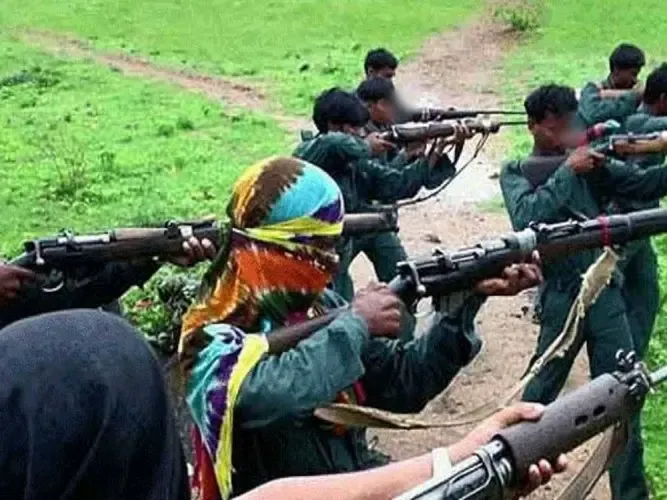
The alarming incident in Pune, where students celebrated a Maoist leader, has prompted Indian agencies to investigate sympathizer networks targeting educational institutions. With the ideological battle intensifying, officials are concerned about urban influences promoting Maoist narratives among the youth.
Key Takeaways
Incident in Pune: Students celebrated a Maoist leader, raising alarms.
Government response: Emphasis on counter-narratives and awareness.
Focus on education: Targeting institutions to influence young minds.
Monitoring: Security agencies are on alert for ideological movements.
Strategic infiltration: Soft promotion of Maoist ideology in protests.
New Delhi, April 21 (NationPress) The recent event in Pune, where students from a Maharashtra Welfare Department hostel celebrated with a song honoring deceased Maoist leader Madvi Hidma, has raised significant concerns among Indian authorities.
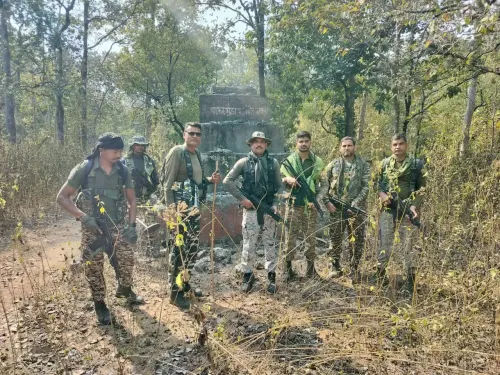
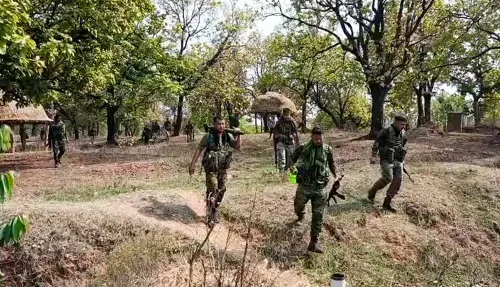
Even though the insurgent presence in the forests was eradicated as promised by the Narendra Modi administration by March 31, security agencies have indicated that ideological remnants persist in certain urban areas.
Investigations into the Pune occurrence uncovered that five students hailed from Gadchiroli, and one from Chandrapur. While Gadchiroli has been labeled Naxalite-free (Maoist-free), some individuals there still harbor ideological affiliations with the movement.
With the physical combat concluded, agencies are now closely monitoring ideologically motivated groups, predominantly situated in cities. These factions continue to address issues pertinent to tribal communities, aiming to disseminate Maoist ideology.
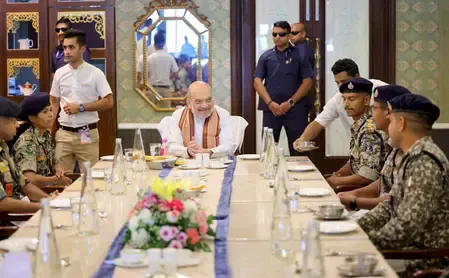
Union Home Minister Amit Shah highlighted these groups, emphasizing that intellectuals who produce extensive critiques for the government seldom address the hardships faced by tribal populations. In truth, these urban elites cling to a discredited ideology, as noted by officials.
An Intelligence Bureau representative remarked that these factions are likely to stoke tribal issues to ignite public sentiment. Acknowledging that armed conflict has ceased, their current objective is to propagate their ideology.
Another official elaborated that initial attempts at this ideological push would be subtle. They will likely gauge public reaction before escalating their efforts.
The first stage involves infiltrating protests and glorifying a deceased Maoist to cultivate sympathy. The Pune incident was a part of this strategy.
Officials assert that these groups would not hold events solely to promote Maoist ideology. Instead, they will engage in a soft promotion, potentially raising unrelated issues during protests.
Strategic efforts to infiltrate educational institutions and gradually propagate their ideology are underway. Activities such as posting materials that celebrate Maoists and depicting the Indian state as an oppressor are integral to their approach, the official elaborated.
Particularly alarming is the focus on educational institutions, where they aim to influence students' perspectives, potentially inciting future uprisings.
The Union Government has acknowledged this trend, emphasizing the importance of counter-narratives concerning the Maoist movement. Students often lack awareness of the realities faced on the ground, making them susceptible to misleading narratives about tribal suffering and the purported necessity of supporting the Maoist cause.
In response, the government is educating students about the detrimental aspects of the Maoist movement. Importantly, they are informed that one of the primary reasons behind the movement's decline is the substantial infrastructural development initiated by the government in tribal regions.
An official noted that urban allies of Maoists would seek to counter the government's initiatives, potentially organizing seminars advocating for the spread of this ideology. They are expected to concentrate their efforts in urban centers, where they anticipate fostering an uprising, another official stated. The government recognizes that the armed conflict has concluded, and the ongoing struggle is one of ideology. Officials are aware that educational institutions will be targets and are urging these institutions to host frequent events and seminars that educate about the dangers of the Maoist movement, both in rural and urban contexts.
Point of View
The unfolding situation highlights a critical ideological struggle. While the physical presence of Maoist insurgents may have diminished, the ideological remnants pose a significant challenge. The focus now shifts to safeguarding educational spaces from radical influences that could sway young minds.
NationPress
19 Sept 2026
Frequently Asked Questions
What happened in Pune?
Students at a Maharashtra Welfare Department hostel celebrated a Maoist leader, raising concerns among authorities regarding the spread of Maoist ideology.
What is the government's response?
The government is creating awareness and counter-narratives about the Maoist movement to educate students and prevent ideological influence.
Why are educational institutions a concern?
Educational institutions are targeted to influence students' perspectives, potentially leading to ideological support for Maoist principles.
Who is monitoring these activities?
Security agencies and the Intelligence Bureau are closely monitoring ideologically driven elements in urban areas.
What strategies are being used to spread ideology?
Strategies include infiltrating protests, glorifying Maoist figures, and disseminating propaganda disguised as social issues.