Marathi language training for auto-taxi drivers to continue: Maharashtra minister
Synopsis
Over 1,65,800 auto and taxi drivers in Maharashtra have already undergone Marathi language training — and the state is not stopping there. With a structured grace period, no immediate badge revocations, and training centres mapped across the Mumbai Metropolitan Region, this is the most detailed rollout yet of a campaign that has already sparked protests and rumours of steep RTO fines.
Key Takeaways
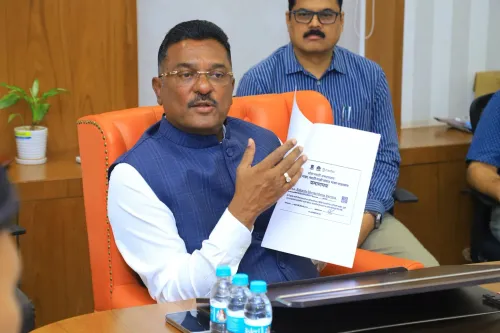
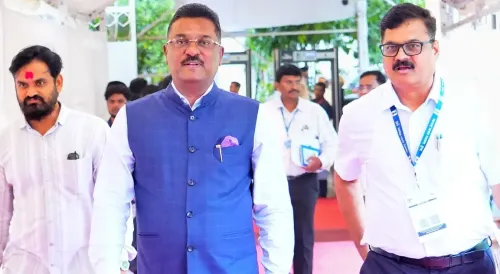
Maharashtra Transport Minister Pratap Sarnaik confirmed on 25 August 2026 that Marathi language training for non-Marathi auto-taxi drivers will continue.
Approximately 1,65,800 drivers across Maharashtra have already been trained under the 105-day initiative.
Drivers will get an initial one-month grace period, extendable by three months ; no badge suspensions during this window.
Badge cancellation applies only to drivers who intentionally refuse to learn after the extended timeframe.
Training centres have been mapped across Mumbai , Thane , Bhiwandi , Nalasopara , Vasai-Virar , and Navi Mumbai .
The drive follows protests in Kandivli over alleged harassment and rumours of RTO fines of ₹5,000–₹20,000 .
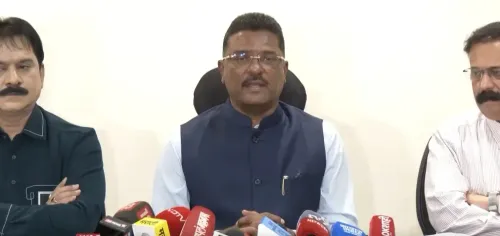
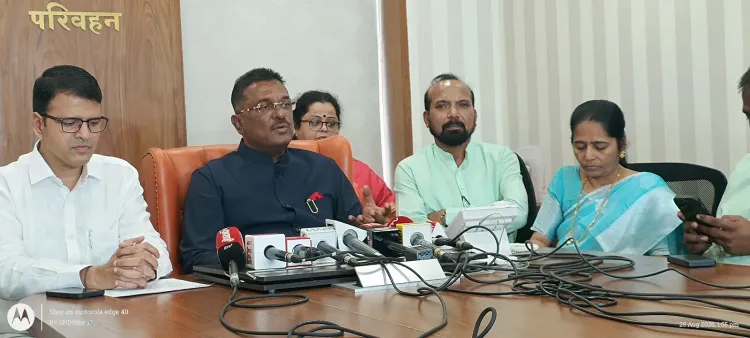
Maharashtra Transport Minister Pratap Sarnaik on Tuesday, 25 August 2026, confirmed that the state's Marathi language training programme for non-Marathi-speaking auto-rickshaw and taxi drivers will continue, with a structured grace period and no badge revocations during the initial learning phase. The announcement came amid protests by drivers in Kandivli over alleged harassment and fears of steep fines.
Scale of the Training Drive
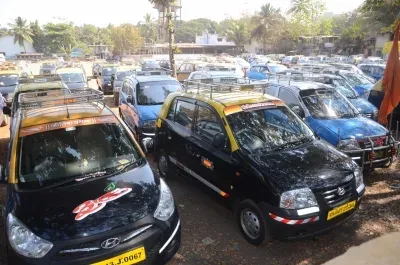
Under a 105-day initiative led by the Transport Department, approximately 1,65,800 auto and taxi drivers across Maharashtra have already received Marathi language training. The department launched a statewide drive on 20 August 2026, requiring commercial passenger vehicle drivers to demonstrate working knowledge of Marathi for effective communication with passengers.
Workshops will continue through the Konkan Marathi Sahitya Parishad and the Mumbai Marathi Sahitya Sangh for drivers yet to complete the programme. The department has submitted lists of training centres across Mumbai, Thane, Bhiwandi, Nalasopara, Vasai-Virar, and Navi Mumbai to Regional Transport Office (RTO) authorities, which will soon issue dedicated contact numbers for enrolment.
Grace Period and Badge Rules Clarified
Sarnaik clarified that drivers will receive an initial one-month grace period to acquire basic Marathi, extendable by a further three months if needed. No driver badges will be suspended during this window. Badge cancellation, he stressed, will apply only to those who intentionally refuse to learn the language after the extended timeframe lapses.
The minister acknowledged that badge suspension remains a legal consequence for non-compliance under existing frameworks, but underlined that enforcement would be measured and not punitive during the learning phase.
Context: Kandivli Protests and RTO Fine Rumours
The press conference followed a protest by auto-rickshaw drivers in Kandivli on Monday, where demonstrators alleged harassment by native drivers and expressed alarm over rumours of RTO fines ranging from ₹5,000 to ₹20,000. Sarnaik did not confirm those fine figures but indicated that the department would take lawful action only against individuals operating outside legal frameworks — not against those genuinely engaged in learning.
Notably, the unrest reflects a broader tension in Maharashtra's commercial transport sector, where language-based compliance drives have historically stirred anxiety among migrant workers who form a significant portion of the auto-taxi workforce.
Political and Cultural Backing
The press conference at Mantralaya was attended by labour leader Shashank Rao, along with office bearers from the Konkan Marathi Sahitya Parishad and the Mumbai Marathi Sahitya Sangh. Rao agreed to support workshops for drivers willing to learn the language.
The initiative runs under the banner of the 'Hindutvahridaysamrat Balasaheb Thackeray Marathi Language Campaign', administered by the Marathi Language Department, which the state plans to sustain on a continuous basis. Sarnaik said the overwhelmingly positive response from drivers — who, he noted, expressed respect for Maharashtra's identity and culture — vindicates the programme's approach.
With training centres now mapped across the Mumbai Metropolitan Region and RTOs set to publish contact numbers, the next test will be whether enrolment keeps pace with the state's compliance timeline.
Point of View
65,800 drivers already trained, the programme has scale; what it lacks is transparent enforcement criteria. The rumoured RTO fines of ₹5,000–₹20,000 were enough to trigger street protests before any official fine schedule was published, which points to a communication gap the department cannot afford. Migrant workers dominate the auto-taxi sector in Mumbai, and any policy perceived as punitive — even if framed as cultural — risks disrupting the city's last-mile transport. The grace period is a sensible concession, but the absence of a published, verifiable compliance framework leaves room for arbitrary enforcement.
NationPress
10 Oct 2026
Frequently Asked Questions
What is the Marathi language training programme for auto-taxi drivers in Maharashtra?
It is a state-run initiative requiring non-Marathi-speaking auto-rickshaw and taxi drivers to acquire working knowledge of Marathi for passenger communication. Launched on 20 August 2026 by the Maharashtra Transport Department, it has so far trained approximately 1,65,800 drivers over 105 days.
Will drivers face immediate badge cancellation for not knowing Marathi?
No. Transport Minister Pratap Sarnaik clarified that drivers will receive a one-month grace period, extendable by three months, with no badge suspensions during this window. Badge cancellation will apply only to those who intentionally refuse to learn after the extended timeframe.
Why did auto-rickshaw drivers protest in Kandivli?
Drivers protested on Monday alleging harassment by native drivers and expressing alarm over rumours of RTO fines ranging from ₹5,000 to ₹20,000. The demonstration followed the Transport Department's statewide compliance drive launched on 20 August 2026.
Where are the Marathi language training centres located?
The department has submitted lists of training centres across Mumbai, Thane, Bhiwandi, Nalasopara, Vasai-Virar, and Navi Mumbai to RTO authorities. RTOs are expected to publish dedicated contact numbers for enrolment shortly.
Which organisations are supporting the training workshops?
Workshops are being conducted through the Konkan Marathi Sahitya Parishad and the Mumbai Marathi Sahitya Sangh. Labour leader Shashank Rao has also agreed to support training sessions for drivers willing to learn Marathi.