What Caused the Latest Water Contamination Crisis in Indore's Mhow?
Synopsis
In a troubling resurgence of water contamination issues, Mhow tehsil in Indore has reported 22 illnesses linked to suspected water pollution. With symptoms alarming the community, local authorities rush to address the crisis. This situation highlights ongoing infrastructure problems and raises questions about water quality safety in the region.
Key Takeaways
22 individuals reported ill due to water contamination.
Authorities are conducting investigations and providing treatment.
Symptoms include vomiting and diarrhoea .
Recent events highlight infrastructure issues in the region.
Public health measures need improvement.
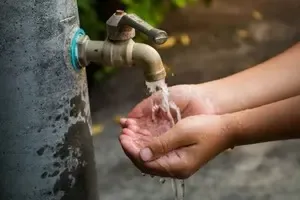
Indore, Jan 23 (NationPress) The issue of drinking water contamination in various regions of Indore district has emerged once again, with a minimum of 22 individuals suffering from illness in Mhow tehsil after consuming potentially contaminated water.
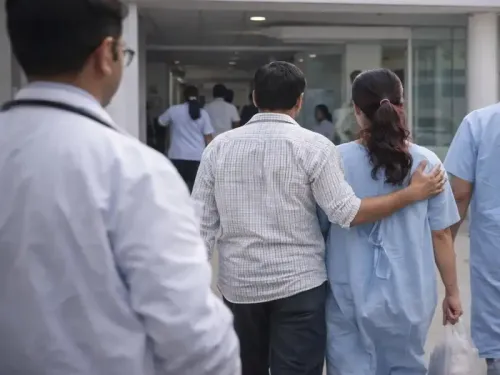
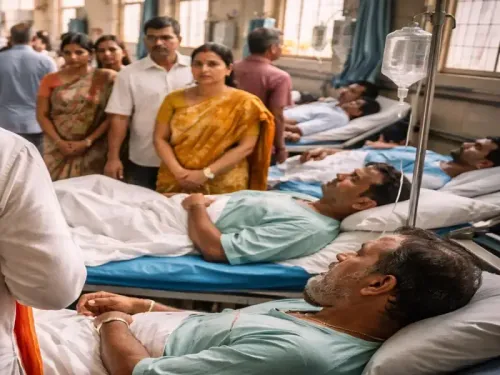
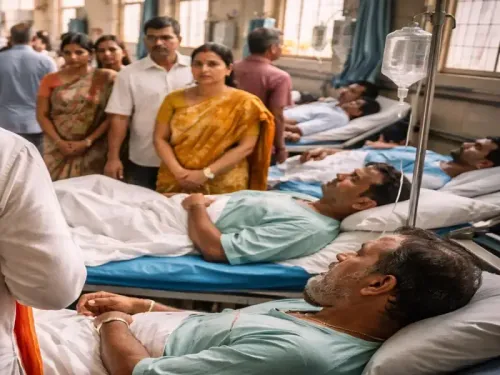
The incident, which occurred on Chander Marg in Patti Bazaar, has resulted in nine people requiring hospitalization, while others are being treated at home under medical supervision.
The primary symptoms reported include vomiting, diarrhoea, and in some instances, jaundice, causing significant public concern following a recent severe outbreak in Bhagirathpura.
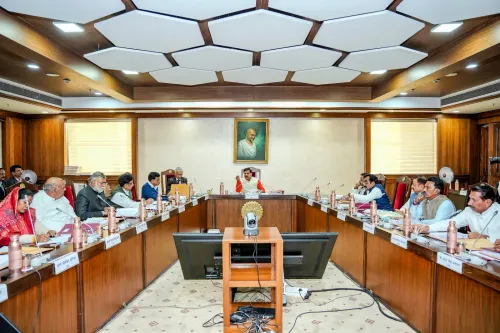
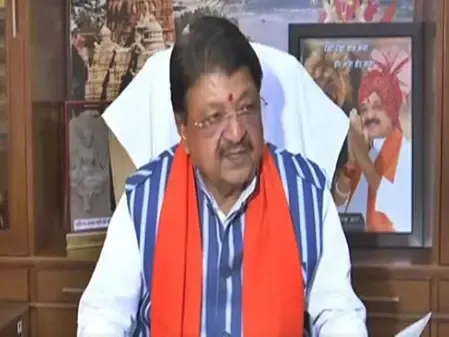
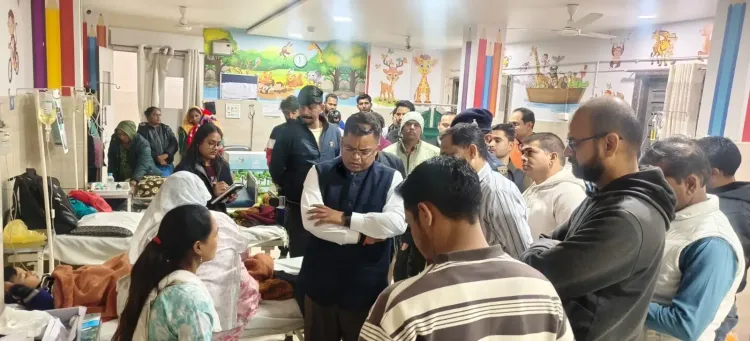
On Thursday night, Indore District Collector Shivam Verma promptly visited the affected area upon receiving notifications. He went to the hospital, spoke with patients and their families, and conducted a locality inspection.
Verma instructed medical personnel and health officials to provide immediate and appropriate treatment for all affected individuals, underscoring a zero tolerance policy for negligence.
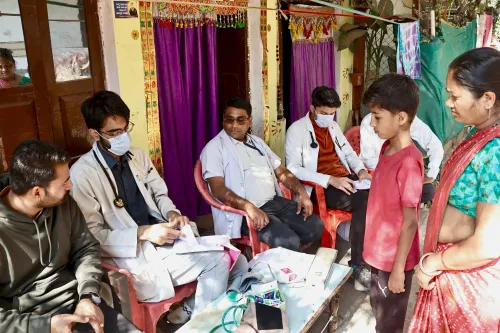
Health teams, which have been stationed on site since early Friday, are actively investigating the source of the contamination, testing water samples, and working to avert further spread.
The official X handle of the District Collector Indore shared images of the Collector alongside the patients. Regional MLA Usha Thakur also visited the hospital to meet with victims and check on their conditions, promising assistance from local authorities.
This recent outbreak follows a serious waterborne disease crisis in Bhagirathpura, where contaminated water supplies—linked to bacterial presence, including E. coli—led to widespread occurrences of vomiting and diarrhoea. A status report from the Madhya Pradesh government presented to the Indore bench of the Madhya Pradesh High Court on January 15 cited seven fatalities, including a five-month-old infant.
The High Court has raised concerns regarding the extent of contamination, ordered the preservation of records, and requested updated reports in light of ongoing public interest litigations (PILs).
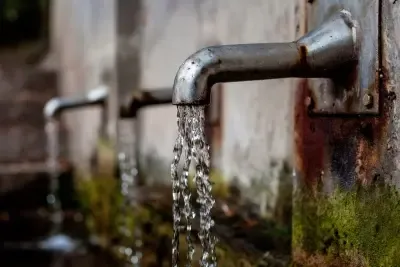
Local residents in Mhow claim long-standing issues such as leaking pipes running through filthy drains, causing sewage to mix with drinking water, leading to a muddy and foul-smelling supply for weeks. Vulnerable groups, particularly children and the elderly, have reported multiple family members falling ill.
Point of View
The recurring incidents of water contamination in Indore highlight the urgent need for improved infrastructure and effective public health measures. The government must take decisive actions to ensure safe drinking water for all citizens, reflecting a commitment to public health and safety in the face of ongoing challenges.
NationPress
29 Sept 2026
Frequently Asked Questions
What are the symptoms of water contamination?
Common symptoms include vomiting, diarrhoea, and jaundice. If you experience these symptoms after consuming water, seek medical attention immediately.
What actions are local authorities taking?
Local health teams are investigating the contamination source, testing water samples, and providing treatment to affected individuals while ensuring proper health protocols.
How can residents protect themselves from contaminated water?
Residents should boil water before consumption, use bottled water, and report any issues with water quality to local authorities.