Identity Politics, Migration, and Language Issues in Assam and West Bengal
Synopsis
As Assam votes and West Bengal gears up for elections, the contentious debate over Bengali-speaking Muslim immigration from Bangladesh continues. This article explores the historical complexities of identity, migration, and language in both states, highlighting the political ramifications and ongoing tensions.
Key Takeaways
Migration and identity are contentious issues in Assam and West Bengal.
The NRC remains a polarizing topic in Assam.
Historical events like the partition and Bangladesh's creation shaped current demographics.
Political parties exploit these issues for electoral advantage .
The discussion transcends mere language—it's tied to national identity .
New Delhi, April 9 (NationPress) As voters in Assam cast their ballots on Thursday, and those in West Bengal prepare to do so on April 23 and 29, a key issue at the forefront is the contentious topic of infiltration—particularly concerning Bengali-speaking Muslim migrants from Bangladesh.
The matters of identity, migration, and language in both West Bengal and Assam are not new; they have persisted for many years and have even sparked conflicts in the past.
Immigration has become a central theme in political discourse, especially with elections on the horizon. Previous administrations have been accused of neglecting the perceived "demographic threat" for political gain, particularly in West Bengal.
Recently, the intense polarization of voters along religious and regional lines has amplified this issue, transforming it into a significant political discourse.
Reports such as the 2018 Brahma Committee indicated potential dangers to indigenous Assamese communities posed by Bangladeshi immigration, especially regarding land rights and encroachment.
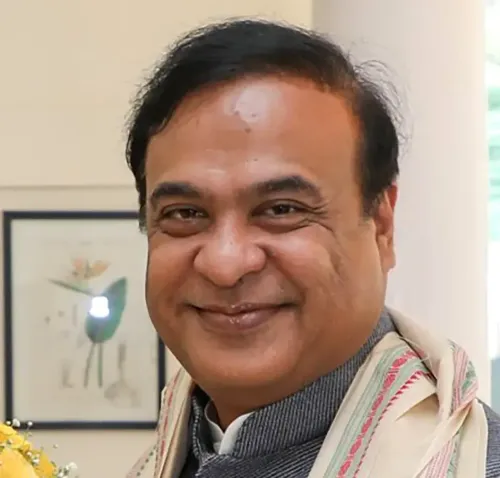
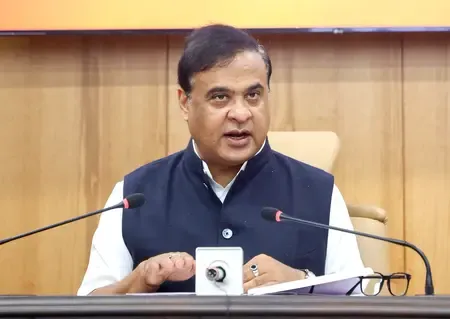
Assam's Chief Minister, Himanta Biswa Sarma, has cautioned that Assamese Hindus may face minority status in their own territory due to years of unchecked immigration. This aligns with the long-standing history of protests in Assam, beginning with the student-led movement in 1979, which culminated in the Assam Accord of 1985.
This agreement set the foundation for the National Register of Citizens (NRC), a process fraught with controversy.
Census statistics reveal shifting linguistic demographics. Between 2001 and 2011, the number of Assamese speakers increased by 16%, yet their proportion of the overall population slightly declined. Conversely, Bengali speakers saw a 23% rise, boosting their demographic share by over one percentage point. Such statistics fuel concerns regarding demographic transformation.
However, census data dating back to 1911 illustrates the complexities of categorizing language and identity in Assam, where bilingualism and colonial administrative practices have muddled distinctions. This intricacy complicates the clear identification of "illegal immigrants."
On the other hand, West Bengal's ruling party, the Trinamool Congress, has consistently opposed the NRC, claiming it aims to displace Bengali speakers.
Currently, the Election Commission’s Special Intensive Revision (SIR) has also come under scrutiny. Highlighting reports of harassment against Bengali speakers, Trinamool chairperson and West Bengal Chief Minister Mamata Banerjee has called upon her party members to continue protesting these incidents. She has framed this as a defense of Bengali identity, seeking to galvanize support ahead of elections.
Her former aide turned political opponent, Suvendu Adhikari of the BJP, counters that these protests serve as a distraction from corruption scandals and governance failings. He has accused the Trinamool Congress of harboring Rohingya migrants to bolster its voter base.
Thus, the discourse surrounding migrant rights has evolved into a proxy conflict over credibility and nationalism.
Banerjee aims to unite Bengali pride in her state against perceived external threats. Meanwhile, in Assam, the BJP underscores the importance of safeguarding indigenous identity from demographic dilution. This clash reflects deeper rifts between regional identity and national cohesion, alongside cultural identity and political expediency. The history of migration into Assam and Bengal is deeply rooted; during colonial times, both regions formed part of the Bengal Presidency, which facilitated the settlement of Bengali-speaking Hindus and Muslims.
Subsequent waves of refugees were triggered by the partition of India in 1947 and the establishment of Bangladesh in 1971.
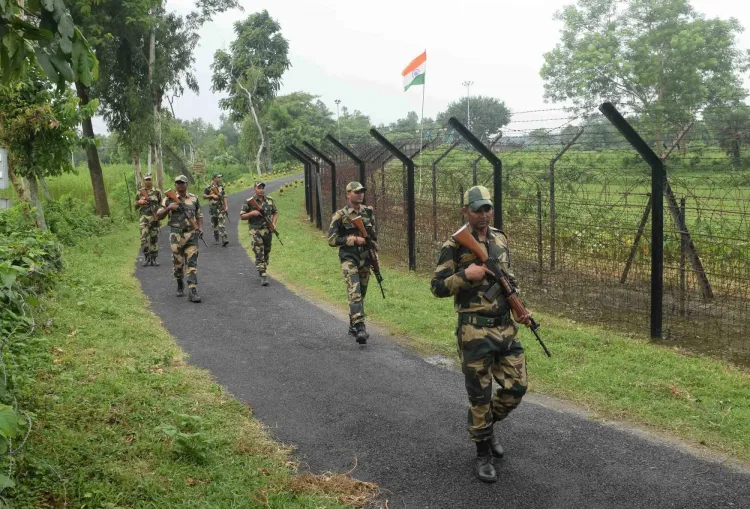
Even today, porous borders enable undocumented migrants to enter, often allegedly aided by brokers who assist in obtaining identity documents. However, linguistic differences exist between Bengali spoken in India and that in Bangladesh.
While they share a common origin, vocabulary and pronunciation diverge not only across the border but also among different regions in Bangladesh. The time has come to address migration and identity issues without falling prey to pride, prejudice, or short-term electoral motivations. The debate over "who is the real Bengali" transcends mere linguistic or cultural boundaries—it's a political instrument wielded in struggles for votes, legitimacy, and a sense of belonging.
Point of View
The ongoing discussions surrounding identity, migration, and language in Assam and West Bengal highlight the crucial intersections of politics and social dynamics. The implications are profound, as these issues not only affect local communities but also resonate on a national scale, necessitating a careful and nuanced approach to foster unity and understanding.
NationPress
14 Sept 2026
Frequently Asked Questions
What are the main issues surrounding migration in Assam and West Bengal?
The primary concerns involve the influx of Bengali-speaking Muslim migrants from Bangladesh, which raises questions about identity, demographic changes, and political implications.
What historical events have shaped migration patterns in these regions?
Key events include the partition of India in 1947 and the creation of Bangladesh in 1971, both of which triggered significant refugee movements into Assam and West Bengal.
How has the political landscape responded to these migration issues?
Various political parties have leveraged the migration debate for electoral gain, leading to polarized views on identity, rights of migrants, and state demographics.
What is the National Register of Citizens (NRC)?
The NRC is a controversial process initiated to document the citizens of Assam, aiming to address the issue of illegal immigration, particularly from Bangladesh.
Why is the Bengali language significant in this context?
The Bengali language is central to the identity of many in West Bengal and Assam, and its status is a focal point in the debate over migration and cultural preservation.