Have Authorities in Mizoram Recorded Biometric Data for Nearly 90% of Myanmar Refugees?
Synopsis
Mizoram has registered nearly 90% of biometric data for Myanmar refugees. With ongoing unrest in Chin state, new arrivals are being documented as the state faces challenges in collecting information from those living outside camps. This highlights the humanitarian efforts and complexities involved in refugee management.
Key Takeaways
Nearly 90% of Myanmar refugees' biometric data registered in Mizoram.
Over 27,810 individuals enrolled so far.
Challenges persist in reaching refugees living outside camps.
New arrivals due to unrest in Myanmar highlight ongoing crisis.
Collecting biographical data is crucial for refugee management.
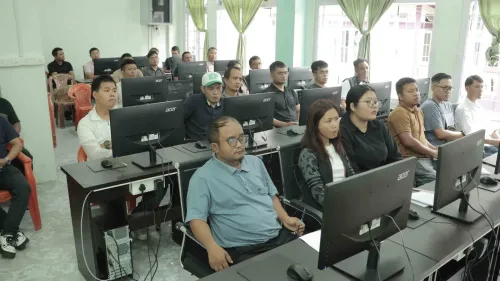
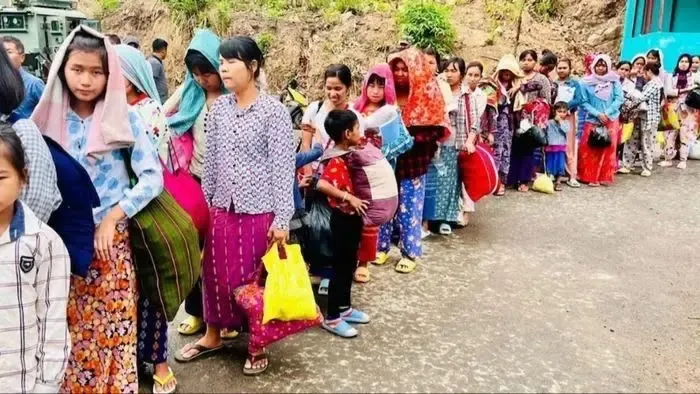
Aizawl, Feb 2 (NationPress) Officials in Mizoram have successfully recorded the biometric information of approximately 90 percent of around 30,900 Myanmar nationals, including women and children, who have sought refuge in the state after escaping their homeland in various phases following the military coup in February 2021, as reported on Monday.
According to Home Department officials, over 27,810 individuals out of the total 30,900 Myanmar refugees across Mizoram's 11 districts have completed the biometric enrolment.
As per the officials' update, approximately 15 percent of the 2,375 Bangladeshi refugees have also had their biometric details recorded so far across three districts: Lawngtlai, Lunglei, and Serchhip.
The biometric enrolment process is being conducted as per the guidance of the Union Ministry of Home Affairs (MHA) through the Foreigners Identification Portal and the Biometric Enrolment System.
Serchhip district, located in central Mizoram, was the first to initiate the biometric enrolment drive for refugees on July 30, after which the other 10 districts followed suit.
Aizawl district, which is currently hosting around 4,160 Myanmar refugees, along with Lunglei and Serchhip districts, has successfully completed the biometric enrolment process at 100 percent.
Champhai district, which shares a large unfenced border with Myanmar, continues to have the highest concentration of refugees, with approximately 12,000 individuals.
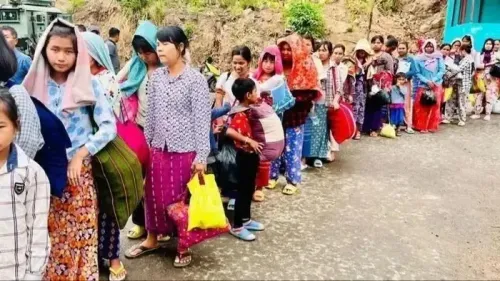
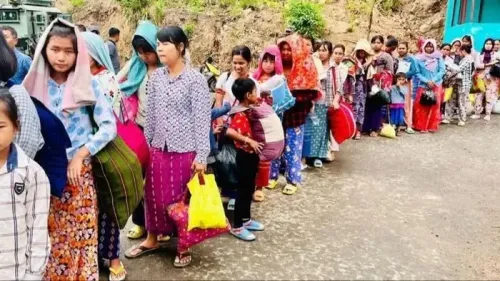
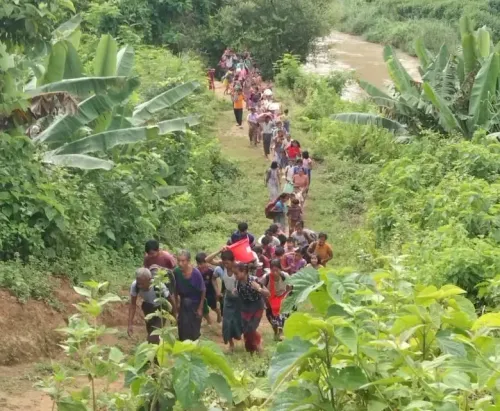
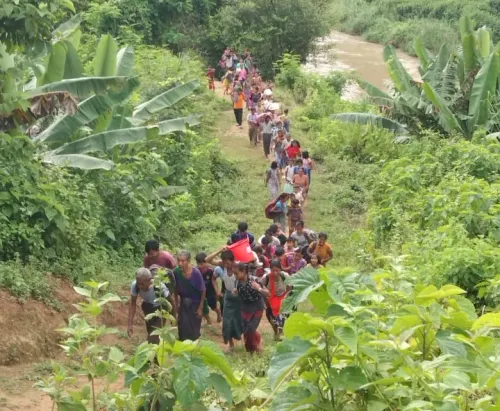
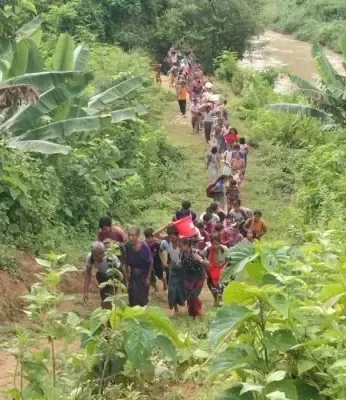
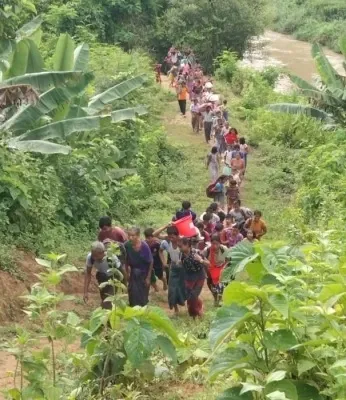
Recently, officials reported that about 240 new refugees from Myanmar arrived in Mizoram last week due to ongoing unrest in Chin state.
Out of these, Champhai district alone recorded 231 refugees last week, while the rest sought shelter in Hnahthial district.
Both Myanmar and Bangladeshi refugees are accommodated in designated camps as well as with relatives or in rented homes across all 11 districts of this mountainous region.
An official noted that while collecting biometric information from refugees in camps is straightforward, it proves more challenging for those residing with relatives or in rented accommodations scattered across remote villages.
To address this issue, district authorities have reached out to village councils and civil society organizations, particularly the Young Mizo Association, for assistance.
In addition to biometric data, the enrolment process also gathers biographical information such as names, addresses, parents' names, and employment history, both in Myanmar and Mizoram.
The Myanmar refugees, primarily from Chin state, and the Bangladeshi Bawm community (also known as the Bawmzo tribal group), maintain close ethnic, cultural, and traditional ties with the majority Mizo community of Mizoram. Myanmar’s Chin state has an unfenced 510-km mountainous border with Mizoram’s Champhai, Siaha, Lawngtlai, Hnahthial, Saitual, and Serchhip districts, while Mamit, Lunglei, and Lawngtlai districts share a 318-km-long unfenced border with Bangladesh. Mizoram has also provided refuge to several thousand displaced individuals following the ethnic violence between the Meitei and Kuki-Zo communities in neighboring Manipur in May 2023.
Point of View
It is vital to recognize the humanitarian implications of the ongoing refugee crisis in Mizoram. The state's efforts to register biometric data for nearly 90% of Myanmar nationals highlights the urgency and complexity of the situation. While the response has been commendable, the challenges of reaching all refugees, particularly those living in remote areas, cannot be overlooked. It is essential to support these initiatives with empathy and a commitment to human rights.
NationPress
2 Oct 2026
Frequently Asked Questions
What is the current status of biometric registration for Myanmar refugees in Mizoram?
Authorities in Mizoram have recorded biometric details for approximately 90% of the 30,900 Myanmar refugees, with over 27,810 individuals enrolled.
How many new refugees have entered Mizoram recently?
Around 240 fresh refugees from Myanmar entered Mizoram last week due to renewed unrest in Chin state.
What challenges are faced in collecting biometric data from refugees?
Collecting biometric details from refugees in camps is relatively easy, but it becomes challenging for those living with relatives or in rented homes scattered across remote villages.
What biographical information is collected during the enrolment process?
The enrolment process includes collecting names, addresses, parents' names, and employment history both in Myanmar and Mizoram.
What ethnic groups are represented among the refugees in Mizoram?
The refugees include those from Myanmar's Chin state and the Bangladeshi Bawm community, who share close cultural ties with the Mizo community.