Mizoram HIV data: Officials report 85,479 positive tests
Synopsis
Mizoram officials reported 85,479 positive HIV tests for April–October 2026, alongside far lower annual counts of newly detected cases among general clients. The source does not explain the difference. A state AIDS council meeting also noted an 81.23 per cent reduction in HIV-related deaths without specifying the comparison period.
Key Takeaways
Mizoram officials reported 85,479 positive HIV tests between April and October 2026 , a figure not reconciled with the separate annual new-case counts.
MSACS reported positivity rates of 1.63 per cent among males, 1.20 per cent among females and 0.77 per cent among antenatal care mothers.
Newly detected cases among general clients declined from 2,236 in 2022–23 to 1,628 in 2025–26 , according to officials.
The State Council on AIDS noted an 81.23 per cent reduction in HIV-related deaths but did not specify the comparison period in the source.
Chief Minister Lalduhoma called for plans to provide vocational training to people living with HIV.
Mizoram health officials reported that 85,479 people tested positive for HIV between April and October 2026, as the state AIDS control society released positivity rates and reviewed longer-term trends at a meeting in Aizawl. The reported total sits alongside much lower annual figures for newly detected cases, and the source data does not explain the difference.
The Mizoram State AIDS Control Society (MSACS) reported positivity rates of 1.63 per cent among males, 1.20 per cent among females and 0.77 per cent among antenatal care mothers. Those percentages describe the share of tests returning positive in each group and should not be treated as the same measure as population-wide prevalence.
Reported tests and transmission patterns
According to health officials, the reported 85,479 positive tests comprised 42,795 males, 31,786 females and 10,898 antenatal care mothers. The source describes all three figures as positive cases but does not provide the underlying testing totals or explain how the categories relate to one another.
MSACS Project Director Dr Jane Rinsangi Ralte said 75.19 per cent of detected HIV cases were attributed to sexual transmission, 21.56 per cent to sharing contaminated injecting equipment and 1.86 per cent to mother-to-child transmission. The source does not specify the period covered by that transmission breakdown.
Prevalence and newly detected cases
A review of transmission trends from 2010 to 2024 placed HIV prevalence in Mizoram at 2.75 per cent, compared with a national adult prevalence rate of 0.20 per cent. The source does not specify whether the state and national estimates cover identical populations or reference periods, so the comparison requires caution.
Officials also reported a year-on-year decline in newly detected HIV cases among general clients. The figures fell from 2,236 in 2022–23 to 2,059 in 2023–24, 1,911 in 2024–25 and 1,628 in 2025–26.
The annual figures concern newly detected cases among general clients, while the April–October 2026 total is described as positive tests across the listed groups. Because the source does not reconcile those measures or supply testing denominators, the figures cannot establish a direct like-for-like trend.
Chief Minister reviews deaths and livelihoods
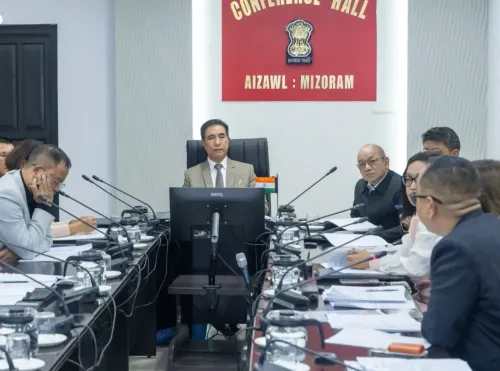
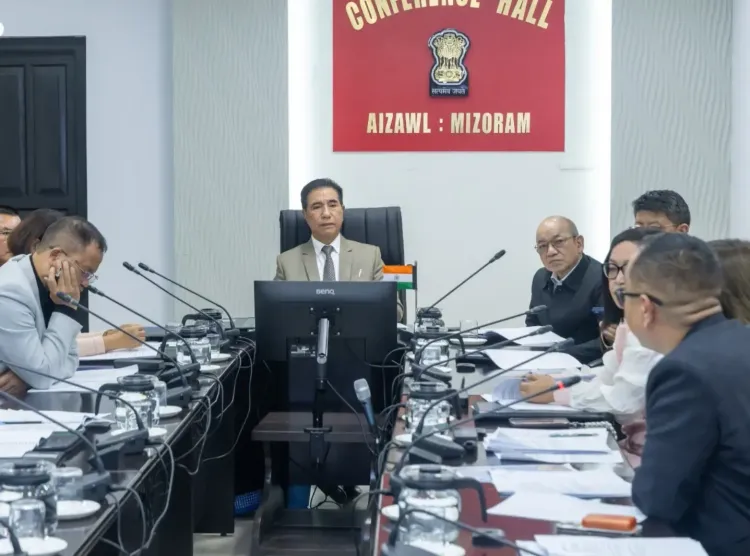
Mizoram Chief Minister Lalduhoma chaired a meeting of the State Council on AIDS in Aizawl on 23 November 2026. The meeting noted an 81.23 per cent reduction in deaths caused by HIV and related illnesses, although the source does not identify the comparison period.
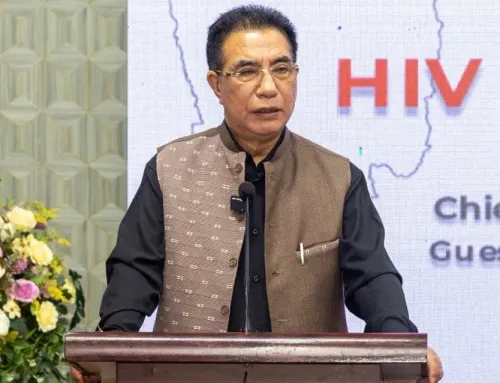
Lalduhoma welcomed the reported decline and credited initiatives by the state government, MSACS and voluntary organisations. He also said the combined efforts of the government, organisations and individuals had helped people recover from substance dependence.
The Chief Minister called for vocational skills to help people rebuild livelihoods and asked the council to formulate plans for reliable training for people living with HIV. The source gives no timetable or details of a specific training programme.
Testing, treatment and next steps
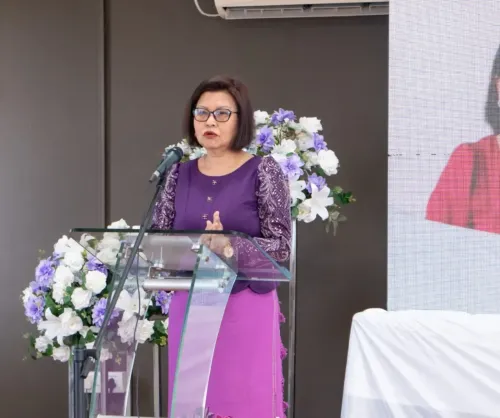
Health and Family Welfare Minister Lalrinpuii said knowing one's HIV status was important to preventing further transmission and encouraged couples to undergo testing before marriage. She also urged people living with HIV to seek appropriate treatment and take prescribed medication regularly.
The council's proposed planning on vocational training remains a next step, while clarification of the reported testing figures and the period used for the deaths comparison would help assess the state's progress.
Point of View
Even if the measures cover different groups. Authorities should publish testing denominators, definitions and the baseline for the reported fall in deaths. Better disclosure would help communities judge progress without adding to stigma.
NationPress
24 Nov 2026
Frequently Asked Questions
How many HIV-positive tests did Mizoram report in 2026?
Health officials reported 85,479 positive HIV tests between April and October 2026. The source does not reconcile that total with separately reported annual figures for newly detected cases among general clients.
What HIV positivity rates were reported in Mizoram?
MSACS reported positivity rates of 1.63 per cent among males, 1.20 per cent among females and 0.77 per cent among antenatal care mothers. The source does not provide the underlying testing totals.
Are newly detected HIV cases falling in Mizoram?
Officials reported that newly detected cases among general clients fell from 2,236 in 2022–23 to 1,628 in 2025–26. The source does not explain how those annual figures relate to the reported April–October 2026 total.
What did Mizoram report about HIV-related deaths?
The State Council on AIDS meeting noted an 81.23 per cent reduction in deaths caused by HIV and related illnesses. The source does not specify the period over which the reduction was measured.
What did Mizoram's Chief Minister propose for people living with HIV?
Chief Minister Lalduhoma called on the state AIDS council to formulate plans for reliable vocational training and skills. The source does not provide a timetable for those plans.