Mizoram's first Pluck and Pay Festival kicks off in Khawzawl to boost eco-tourism
Synopsis
Mizoram has launched its first-ever Pluck and Pay Festival in Khawzawl — a plastic-free, three-day agri-tourism event where visitors pick and buy produce directly from farmers. Behind the festival is a quietly impressive story: tomato cultivation seeded in Tualte around 2019 has since generated over ₹14 crore in farmer incomes, while Chawngtlai's growers have crossed ₹40 crore in tomato sales.
Key Takeaways
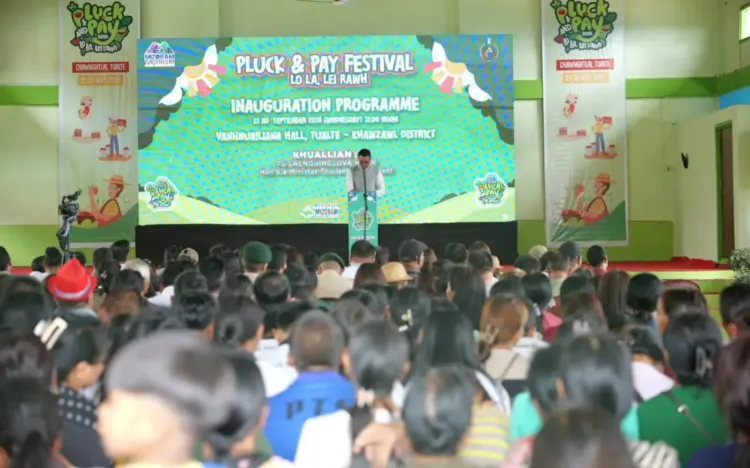
Mizoram's inaugural Pluck and Pay Festival opened on 23 September 2026 in Khawzawl district , running for three days across Tualte and Chawngtlai .
Organised jointly by the Tourism Department and the Office of the Deputy Commissioner, Khawzawl — the first such event in the state.
More than 200 households in Tualte have taken up tomato cultivation since 2019 , producing over 1 lakh quintals and earning more than ₹14 crore .
Chawngtlai's 120+ tomato-growing households have sold over 8,000 quintals , generating more than ₹40 crore in income.
The festival is entirely single-use plastic-free ; Tourism Minister Lalnghinglova Hmar said similar green festivals will be promoted in future.
151 households in Tualte were enrolled in passion fruit cultivation under the MIDH Scheme during 2025–2026 .
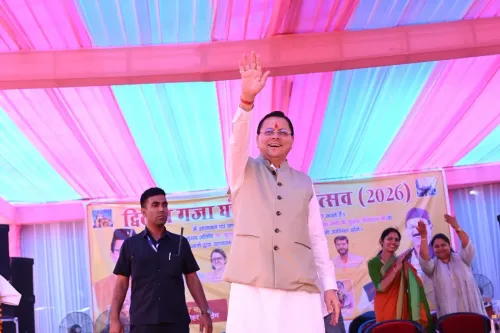
Mizoram's inaugural Pluck and Pay Festival got underway in Khawzawl district on Wednesday, 23 September 2026, with a three-day programme designed to spotlight the state's pristine forests, biodiversity, and agricultural wealth while advancing eco-tourism and sustainable livelihoods. The event, organised jointly for the first time by the Tourism Department and the Office of the Deputy Commissioner, Khawzawl, is being hosted across the villages of Tualte and Chawngtlai.
What the Festival Offers Visitors
At the heart of the festival is a farm-to-hand experience: visitors can walk through the fields of local farmers in Tualte and Chawngtlai and pick a variety of fresh fruits and vegetables directly, paying the growers on the spot. Stalls showcasing agricultural produce and handcrafted goods by local artisans have been set up alongside, giving buyers a broader taste of the district's rural economy. Traditional Mizo sports and recreational activities are also on the programme, and evening concerts featuring popular Mizo artistes add a cultural dimension to the event.
What the Government Said
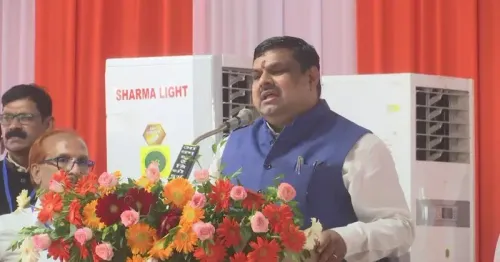
Tourism Minister Lalnghinglova Hmar said Mizoram's clean environment, forests, and natural resources are among its foremost attractions for visitors. He praised the festival as an initiative to showcase the state's natural beauty and farm produce, and highlighted its decision to run entirely without single-use plastic — a standard he said the government intends to replicate at similar events in future. 'People of Mizoram can become ambassadors of the state by visiting and promoting its natural beauty,' the minister said, urging residents to take pride in their surroundings before encouraging outside visitors to follow.
Khawzawl Deputy Commissioner Pu K. Vanlalthiana described the festival as a significant milestone for the district's development and invited visitors to witness the hard work of local farmers first-hand.
The Agricultural Story Behind the Festival
Additional Director of the Horticulture Department, C. Zosangliana, provided data that underscores how the festival's setting was built over years of cultivated effort. Tomato farming was introduced in Tualte around 2019; more than 200 households have since taken it up as a primary livelihood, producing over one lakh quintals of tomatoes and generating an income of more than ₹14 crore to date.
In Chawngtlai, organised tomato cultivation took shape around 2020. More than 120 households are now engaged in the crop, with sales exceeding 8,000 quintals and cumulative income surpassing ₹40 crore. Chawngtlai has emerged as one of Mizoram's leading tomato-producing areas, according to Zosangliana. Additionally, during 2025–2026, 151 households in Tualte were selected for passion fruit cultivation under the MIDH Scheme. Passion fruit growing in Chawngtlai dates back to 1995; after setbacks over the years, cultivation has been revived and the number of growers has steadily grown.
Broader Significance for Mizoram's Eco-Tourism Push
This is the first time a 'Pluck and Pay' format has been organised in Mizoram, positioning the state alongside other northeastern Indian jurisdictions that have leveraged community-based agri-tourism to draw visitors and generate farmer incomes simultaneously. The plastic-free mandate aligns with the state's broader green credentials, and the inclusion of cultural performances gives the event a festival character beyond a simple farmers' market. Notably, this comes as the Northeast India tourism corridor has seen renewed central attention, making locally-anchored events like this more strategically timed than they might appear.
The festival runs through Friday, 25 September 2026, with fresh activities and produce available across both host villages each day.
Point of View
When backed by government extension work, can meaningfully shift rural incomes in the Northeast. The real question is whether the festival format creates a durable demand link between urban visitors and farm produce, or remains a one-season showcase. Northeast India's agri-tourism potential has been talked about for years; sustained follow-through — beyond a three-day event — will determine if this becomes a model or a memory.
NationPress
24 Sept 2026
Frequently Asked Questions
What is the Pluck and Pay Festival in Mizoram?
The Pluck and Pay Festival is a three-day eco-tourism and agri-tourism event held in Khawzawl district, Mizoram, from 23 to 25 September 2026. Visitors can walk through local farms in Tualte and Chawngtlai, pick fresh fruits and vegetables, and pay farmers directly, alongside cultural performances and artisan stalls.
Who organised the Pluck and Pay Festival?
The festival was organised jointly by Mizoram's Tourism Department and the Office of the Deputy Commissioner, Khawzawl. It is the first time such an event has been held in the state.
How much income have farmers in Chawngtlai earned from tomato cultivation?
More than 120 households in Chawngtlai engaged in tomato cultivation have sold over 8,000 quintals to date, generating a cumulative income of more than ₹40 crore, according to the Additional Director of Mizoram's Horticulture Department.
What is the MIDH Scheme mentioned in the festival context?
The Mission for Integrated Development of Horticulture (MIDH) is a central government scheme that supports fruit and vegetable cultivation. Under it, 151 households in Tualte were selected for passion fruit cultivation during 2025–2026, according to the Horticulture Department.
What makes the Pluck and Pay Festival environmentally notable?
The festival is being conducted entirely without single-use plastic, a directive championed by Tourism Minister Lalnghinglova Hmar, who stated that the government intends to promote similar green festivals across Mizoram in the future.