Rijiju: PM Modi disburses ₹2,400 cr under PM-VBRY in Delhi
Synopsis
Prime Minister Narendra Modi on June 19, 2026, presided over a Delhi event disbursing around ₹2,400 crore in incentives under PM-VBRY. Union Minister Kiren Rijiju shared the live broadcast, highlighting the Centre's continued emphasis on high-visibility, large-scale welfare transfers directly to beneficiaries via the DBT framework.
Key Takeaways
₹2,400 crore in incentives disbursed under the PM-VBRY scheme at a single event in Delhi on June 19, 2026 .
Prime Minister Narendra Modi personally participated in the programme, consistent with the administration's practice of high-profile welfare rollout events.
Union Parliamentary Affairs Minister Kiren Rijiju amplified the event via a live broadcast on X.
The disbursement operates through India's Direct Benefit Transfer (DBT) architecture, scaled nationally since 2014 to reduce leakages.
Further tranche releases under PM-VBRY and parliamentary questions on utilisation are expected in coming months.
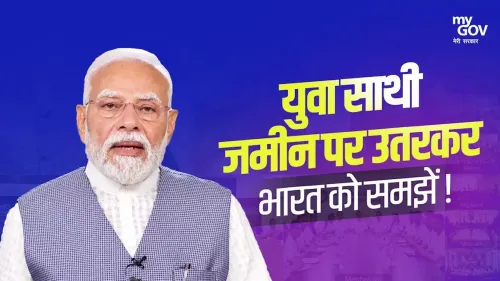
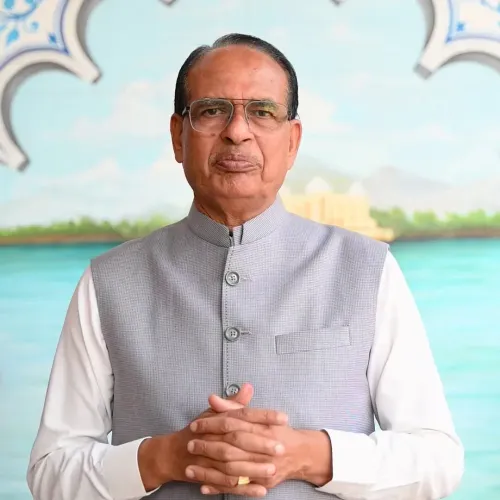
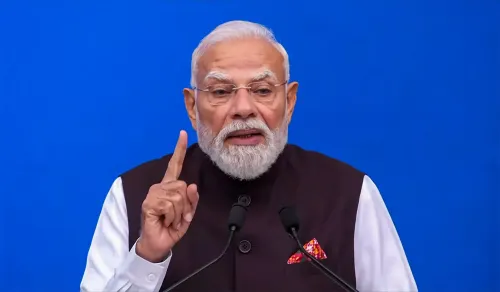
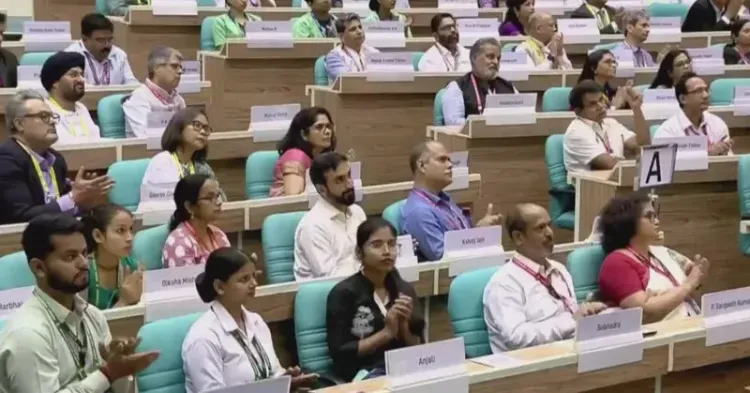
Union Parliamentary Affairs Minister Kiren Rijiju on Friday, June 19, 2026, shared a live broadcast of Prime Minister Narendra Modi participating in a high-profile programme in Delhi to disburse incentives worth around ₹2,400 crore under the PM-VBRY scheme, underscoring the Centre's push for large-scale, visible welfare disbursals directly to beneficiaries.
Context
Minister Rijiju shared the event as a live stream on X, drawing public attention to the Prime Minister's direct participation in the rollout. The programme was held in Delhi, the national capital, which frequently serves as the venue for flagship central-scheme disbursement events led by the Prime Minister. The post invited followers to watch the proceedings live, signalling the government's intent to maximise public visibility for the exercise.
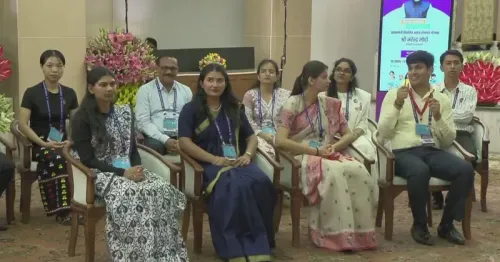
The disbursement of ₹2,400 crore in a single event reflects the scale at which the current administration has operationalised welfare transfers. Such events typically bring together beneficiaries from across the country, either in person or through digital linkages.
Policy Backdrop
The PM-VBRY scheme is among the centrally sponsored programmes through which the Union government channels incentives to targeted occupational or social groups. While the precise expansion of the acronym and the full scope of beneficiary categories were not detailed in the post, the scheme appears to combine financial incentives with broader support components — a pattern common across flagship welfare programmes of the current administration.
India's Direct Benefit Transfer (DBT) architecture, scaled nationally from 2014 onward, underpins such disbursals. DBT routes funds directly into beneficiaries' bank accounts, reducing intermediaries and plugging leakages that historically eroded welfare payouts. The current government has consistently cited DBT as a structural reform that has improved targeting efficiency across dozens of schemes.
Stakeholders and Impact
The primary stakeholders are the scheme's beneficiaries — individuals or groups eligible under PM-VBRY — who stand to receive a share of the ₹2,400 crore disbursed at this event. Large-scale incentive events of this kind also serve a secondary function: they provide the government an opportunity to communicate the cumulative reach of its welfare architecture to a broader public audience.
Successive central governments have institutionalised such high-profile rollout events, but the current administration has notably elevated their frequency and scale, with the Prime Minister personally presiding over disbursals across sectors ranging from agriculture and housing to skill development and minority welfare.
What's Next
Attention will now turn to whether additional tranches are released under PM-VBRY in the coming months, and how utilisation data from this disbursement is reported. Parliamentary scrutiny — including questions in the upcoming session on fund utilisation and beneficiary reach — is expected to provide a fuller picture of the scheme's on-ground impact. The government's ability to demonstrate last-mile delivery will be closely watched by both opposition benches and civil-society observers tracking welfare expenditure.
Point of View
400 crore disbursal under PM-VBRY, presided over by the Prime Minister and amplified by a senior cabinet minister, fits a well-established pattern of the current administration using large-scale, televised welfare events as both a delivery mechanism and a political communication tool. Minister Rijiju's decision to broadcast the event live on X extends that communication to a digitally engaged audience, reinforcing the government's narrative of direct, visible delivery. The event also highlights the continued centrality of the DBT framework as the government's preferred instrument for welfare transfers. What remains to be seen is whether utilisation data and beneficiary feedback corroborate the scale of impact that such high-visibility events project.
NationPress
19 Sept 2026
Frequently Asked Questions
How much money was disbursed under PM-VBRY on June 19, 2026?
Around ₹2,400 crore in incentives was disbursed under PM-VBRY at a programme in Delhi on June 19, 2026, with Prime Minister Narendra Modi presiding over the event.
Where was the PM-VBRY disbursement event held?
The event was held in Delhi, the national capital, which regularly hosts flagship central-scheme disbursement programmes led by the Prime Minister.
What is Direct Benefit Transfer (DBT) and how does it relate to PM-VBRY?
DBT is a government architecture that routes welfare funds directly into beneficiaries' bank accounts to reduce leakages and intermediaries; it has been scaled nationally since 2014 and underpins disbursals under schemes such as PM-VBRY.
Why did Kiren Rijiju post about the PM-VBRY event?
As Union Parliamentary Affairs Minister and a senior BJP leader, Kiren Rijiju shared a live broadcast of the event on X to draw public attention to the Prime Minister's participation and the scale of the welfare disbursal.