PM Modi: Bamboo Sector Boosting Northeast Jobs After 2017 Law Change
Synopsis
A single law change in 2017 — reclassifying bamboo from a 'tree' to a grass — has quietly transformed the Northeast's economy. PM Modi's Mann Ki Baat Episode 133 revealed how entrepreneurs in Tripura, Nagaland, Mizoram, and Sikkim are now building bamboo empires, with women-led SHGs at the forefront of India's green economy revolution.
Key Takeaways
PM Modi praised the Northeast's bamboo sector during Mann Ki Baat Episode 133 on April 26, 2025 , calling the region 'Ashtalakshmi' for India.
A 2017 amendment to the Indian Forest Act reclassified bamboo from a 'tree' to a grass , removing colonial-era trade restrictions that had stifled the industry for decades.
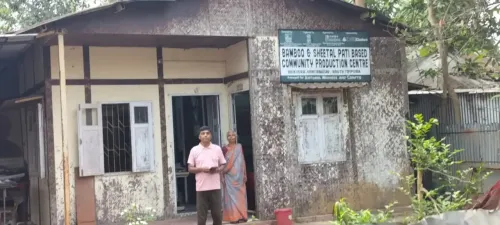
Entrepreneurs Bijoy Sutradhar (Gomati, Tripura) and Pradeep Chakraborty (South Tripura) used the new law to build tech-integrated bamboo businesses.
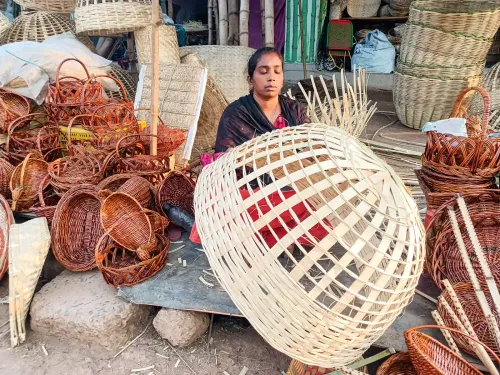
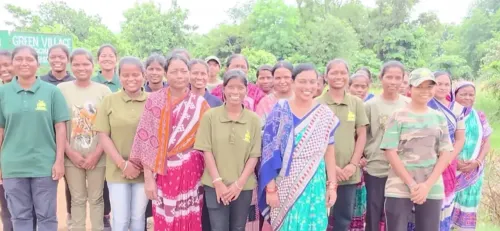
Women-led Self-Help Groups in Dimapur, Nagaland and the Lagastal Bamboo Enterprise Team near Gangtok, Sikkim are producing food products, furniture, and handicrafts from bamboo.
The Northeast holds approximately 66% of India's total bamboo resources , with the national bamboo market projected to reach $6 billion in the near term.
PM Modi urged citizens to purchase at least one bamboo product from the Northeast to support local artisans and entrepreneurs.
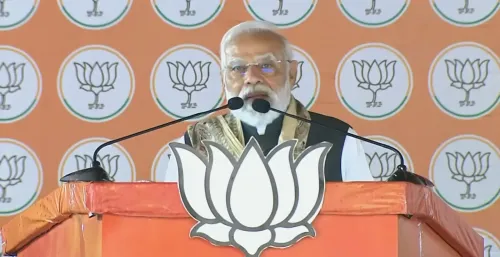
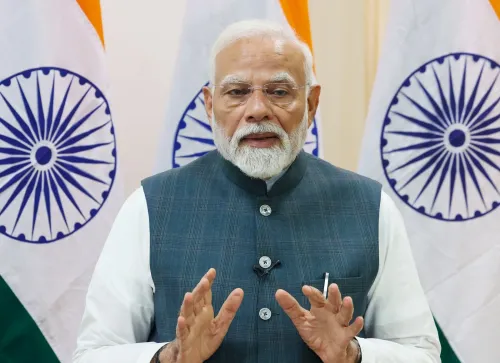
New Delhi, April 26: Prime Minister Narendra Modi on Sunday hailed the Northeast India bamboo sector as a transformative employment engine, crediting a landmark 2017 legislative change that reclassified bamboo from a tree to a grass — effectively dismantling colonial-era restrictions that had strangled the industry for decades. Speaking during the 133rd episode of Mann Ki Baat, his monthly radio programme, PM Modi declared the Northeast as Ashtalakshmi
— a symbol of eight-fold prosperity — for the entire nation.
How a Colonial Law Was Holding Back Millions
Under British-era legislation, bamboo was classified as a tree, subjecting it to the same stringent regulations as timber. This made transportation, trade, and commercial use of bamboo extremely cumbersome, pushing communities in the Northeast away from bamboo-based livelihoods over generations.
PM Modi stated clearly, "As a result, people here started moving away from bamboo-related businesses. By changing the law in 2017, we removed bamboo from the tree category. The results of which are visible to everyone." The amendment to the Indian Forest Act was a quiet but consequential policy shift that unlocked enormous economic potential across Assam, Tripura, Nagaland, Mizoram, Sikkim, and other states.
Notably, India is the second-largest bamboo producer in the world, and the Northeast accounts for nearly 66% of India's total bamboo resources — yet for decades this wealth remained commercially inaccessible due to legal red tape rooted in colonial policy.
Ground-Level Success Stories Across the Northeast
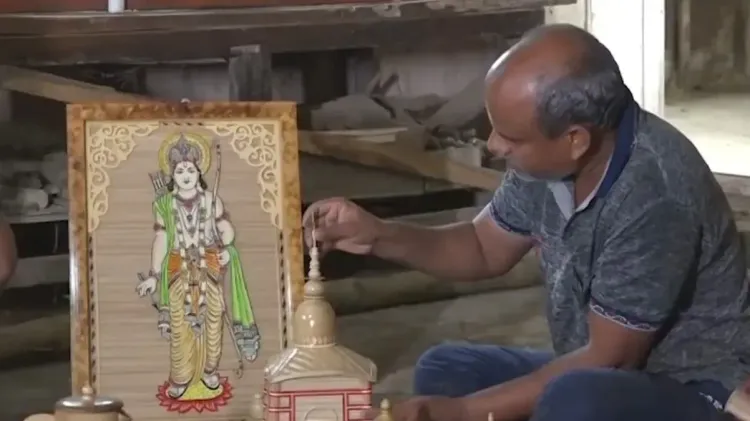
PM Modi cited specific entrepreneurs who seized the opportunity created by the legal reform. Bijoy Sutradhar of Gomati district, Tripura, and Pradeep Chakraborty of South Tripura integrated technology into their bamboo businesses, producing higher-quality and more diverse bamboo products than ever before.
In Dimapur, Nagaland, multiple Self-Help Groups (SHGs) have added value to bamboo-based food products, while groups like Khorolo Creative Crafts are developing bamboo furniture and handicrafts for broader markets. In Mamit district, Mizoram, teams are advancing bamboo tissue culture and poly-house management — indicating a shift from raw material trade to high-tech agri-processing.
The Lagastal Bamboo Enterprise Team, located near Gangtok, Sikkim, is producing handicrafts, incense sticks, furniture, and interior decor items from bamboo — a product range that taps into both domestic and export markets, including the growing eco-friendly home décor segment.
Women at the Centre of the Bamboo Economy
PM Modi specifically noted that women — mothers and sisters of the Northeast — are among the biggest beneficiaries of the bamboo sector's revival. This aligns with the broader national push to integrate women-led Self-Help Groups into value chains under schemes like the National Bamboo Mission, launched in 2018 with a budget of over ₹1,290 crore.
The SHG model in bamboo processing has been particularly effective in states like Tripura and Nagaland, where women have moved from subsistence crafts to organised production units supplying urban retail and e-commerce platforms. This economic shift is also reducing out-migration from rural Northeast communities.
The Bigger Picture: Northeast as India's Green Economy Frontier
The bamboo sector revival is part of a larger strategic pivot to position Northeast India as a hub for green economy, eco-tourism, and sustainable manufacturing. With global demand for bamboo-based alternatives to plastic and wood surging — driven by ESG mandates and climate commitments — India's Northeast sits on a potential goldmine.
This comes amid India's broader bamboo export push, with the government targeting international markets in Southeast Asia, Europe, and the Middle East for bamboo textiles, construction materials, and consumer products. Industry analysts estimate India's bamboo market could reach $6 billion by 2025, with the Northeast positioned as the primary supply zone.
PM Modi urged all citizens to purchase at least one bamboo product from the Northeast, framing it as an act of solidarity with artisans and entrepreneurs: "Your efforts will encourage those who toil hard to make bamboo products."
What Comes Next for the Bamboo Sector
The National Bamboo Mission continues to expand its footprint, with new clusters being developed across the Northeast for processing, branding, and exports. Upcoming government initiatives are expected to focus on GI tagging of Northeast bamboo products, direct market linkages with urban retailers, and integration with platforms like the Government e-Marketplace (GeM).
As India's G20 presidency and climate diplomacy sharpen the focus on sustainable supply chains, the Northeast bamboo sector could emerge as a flagship case study in how policy reform, when targeted correctly, can unlock generational economic change for historically underserved communities.
Point of View
Yet communities lived in poverty partly because a Victorian-era classification made commerce illegal. Credit where it's due — the 2017 amendment was consequential — but the deeper lesson is about the cost of policy inertia, and how many other colonial-era laws continue to silently tax India's most vulnerable communities today.
NationPress
19 Sept 2026
Frequently Asked Questions
What law change did PM Modi refer to regarding bamboo in 2017?
In 2017, the Indian government amended the Indian Forest Act to reclassify bamboo from a 'tree' to a grass, removing it from strict timber regulations. This made the transportation, trade, and commercial use of bamboo significantly easier across India, especially in the Northeast.
What did PM Modi say about the Northeast in Mann Ki Baat Episode 133?
PM Modi called the Northeast 'Ashtalakshmi' — symbolising eight-fold prosperity — and highlighted the bamboo sector's growth as a major success story resulting from the 2017 law change. He cited entrepreneurs from Tripura, Nagaland, Mizoram, and Sikkim as examples of this transformation.
How has the bamboo sector benefited women in Northeast India?
PM Modi stated that women — particularly through Self-Help Groups — are among the biggest beneficiaries of the bamboo sector's revival. SHGs in states like Nagaland and Tripura are now producing bamboo-based food products, handicrafts, and furniture for organised markets.
What is the National Bamboo Mission and how does it relate to Northeast India?
The National Bamboo Mission, launched in 2018 with a budget of over ₹1,290 crore, aims to develop bamboo value chains including processing, branding, and exports. The Northeast, holding nearly 66% of India's bamboo resources, is the primary focus region for this mission.
Which Northeast states are leading in bamboo sector growth?
Tripura, Nagaland, Mizoram, and Sikkim are among the leading states in bamboo sector growth. Key examples include entrepreneurs in Gomati and South Tripura, SHGs in Dimapur, tissue culture projects in Mamit district of Mizoram, and the Lagastal Bamboo Enterprise Team near Gangtok, Sikkim.