Shekhawat Shares Live: PM Modi Lays Foundation Stones in Banaskantha
Synopsis
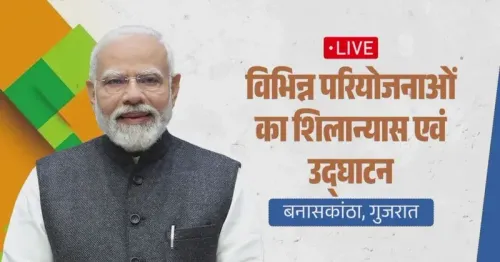
Union Minister Gajendra Singh Shekhawat shared a live broadcast of PM Narendra Modi laying foundation stones and inaugurating multiple development projects in Banaskantha, Gujarat, on October 30, 2026, spotlighting the Centre's infrastructure push in the Gujarat-Rajasthan border district.
Key Takeaways
Union Minister Gajendra Singh Shekhawat shared a live stream of PM Modi's event in Banaskantha, Gujarat on October 30, 2026 .
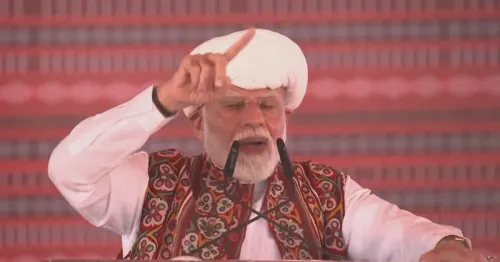
Prime Minister Narendra Modi laid foundation stones and inaugurated multiple development projects at the event.
Banaskantha is a northern Gujarat district bordering Rajasthan, known for agriculture, dairy, and emerging industry.
Specific project names, costs, and timelines have not yet been officially detailed or independently verified.
The event continues PM Modi's consistent pattern of high-visibility infrastructure delivery in Gujarat .
As Lok Sabha MP from Jodhpur , Shekhawat's amplification reflects the cross-border significance of development in this corridor.
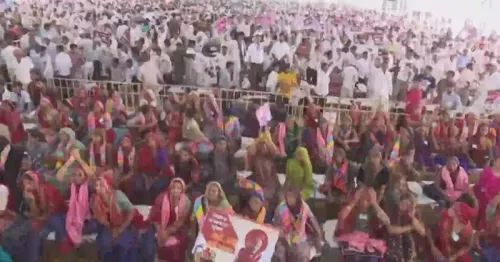
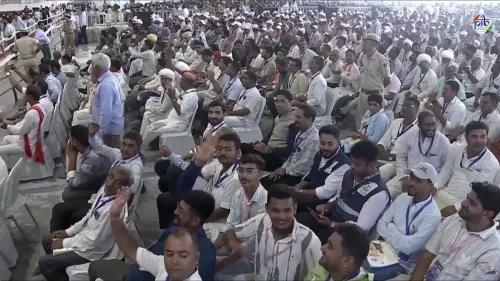
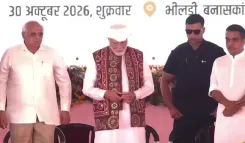
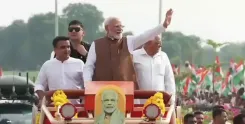
Union Culture and Tourism Minister Gajendra Singh Shekhawat turned his followers' attention to Banaskantha, Gujarat on Friday, October 30, 2026, sharing a live broadcast of Prime Minister Narendra Modi laying foundation stones and inaugurating multiple development projects in the northern Gujarat district.
PM Modi's development push in Banaskantha
Banaskantha — a district that hugs Gujarat's border with Rajasthan — has long been known for its dairy cooperatives, agriculture belt, and emerging industrial activity. A PM-level visit carrying multiple project inaugurations signals the kind of infrastructure push the Centre has been making visible in Gujarat in this political cycle.
Prime Minister Modi has maintained a consistent pattern of visiting Gujarat for foundation-stone-laying ceremonies and project inaugurations, keeping the BJP-led central government's infrastructure delivery record in full public view. Banaskantha's residents — the direct stakeholders — stand to benefit once details of the specific projects, their funding, and completion timelines are officially released.
Shekhawat's ringside signal
As a senior BJP leader and Lok Sabha MP from Jodhpur, Rajasthan, Shekhawat's decision to amplify the event underscores the political and regional significance of development activity on the Gujarat-Rajasthan corridor. Jodhpur shares cultural and economic proximity with Banaskantha, and connectivity or infrastructure improvements in that belt carry cross-border resonance for constituents on both sides.
The specific projects, costs, and completion timelines announced at the event are yet to be officially detailed and independently verified. What is clear is that the Centre's pattern of making infrastructure delivery visible — with a live broadcast shared by a Union Minister — is very much part of the political optics here.
With project specifics expected to emerge from the official announcements made at the event, Banaskantha now waits to see which roads, water schemes, or industrial corridors move from stone-laying to steel and concrete.
Point of View
Consistent with the BJP's broader strategy of making central government infrastructure delivery tangible and telegenic. Shekhawat's Jodhpur constituency borders Gujarat, giving him a natural stake in cross-border development optics. The pattern of foundation-stone ceremonies preceding elections is well-established in Indian politics, though the timing here is tied more immediately to the Centre's ongoing infrastructure calendar. What matters now is whether project specifics translate into verifiable, time-bound commitments that residents can track.
NationPress
30 Oct 2026
Frequently Asked Questions
What projects did PM Modi inaugurate in Banaskantha on October 30 2026?
The specific projects laid out or inaugurated by PM Modi in Banaskantha on October 30, 2026 have not yet been officially detailed in verified sources. The event involved multiple development projects, with full specifics expected from official government releases.
Why is Gajendra Singh Shekhawat sharing a Gujarat event?
As a senior BJP leader and Lok Sabha MP from Jodhpur, Rajasthan — which borders Gujarat — Shekhawat has a strong regional interest in development activity along the Gujarat-Rajasthan corridor, making the Banaskantha event politically and geographically relevant for him.
Where is Banaskantha district located?
Banaskantha is a district in northern Gujarat, bordering Rajasthan. It is known for agriculture, dairy cooperatives, and emerging industrial development.
How often does PM Modi visit Gujarat for inaugurations?
Prime Minister Modi has maintained a consistent pattern of visiting Gujarat for foundation-stone-laying ceremonies and project inaugurations, reflecting the BJP-led central government's emphasis on visible infrastructure delivery in the state.
Who is Gajendra Singh Shekhawat?
Gajendra Singh Shekhawat is Union Minister of Culture and Tourism in the Indian government and a senior BJP leader. He represents Jodhpur, Rajasthan in the Lok Sabha.