PM Modi invokes Shyama Prasad Mukherjee in BJP's Bengal victory speech
Synopsis
PM Modi's Bengal victory speech was more than a celebration — it was a deliberate invocation of history. By linking the BJP's unprecedented Bengal mandate to Shyama Prasad Mukherjee's founding sacrifice, Modi framed the result as a decades-long ideological mission finally fulfilled, while calling for an end to Bengal's culture of electoral violence.
Key Takeaways
PM Modi delivered a victory speech at BJP headquarters in New Delhi on Monday after the party's strong performance in five Assembly and UT elections .
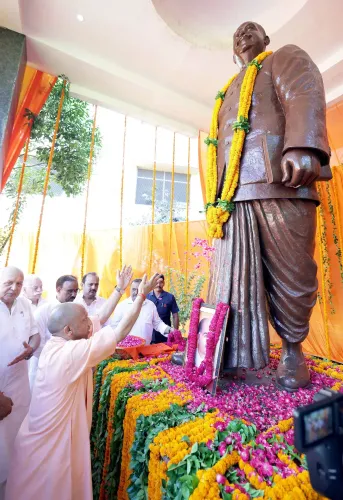
Modi invoked Dr Shyama Prasad Mukherjee , saying his soul would have found peace at the Bengal result.
Mukherjee founded the Bharatiya Jan Sangh in 1951 , the precursor to the BJP.
Modi claimed this was the first Bengal election where no one lost their life during voting .
BJP-led NDA governments are now in power in more than 20 states across India.
Modi appealed to all parties in Bengal to end the culture of fear, violence, and intimidation in politics.
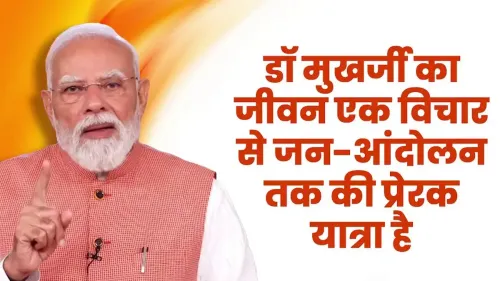
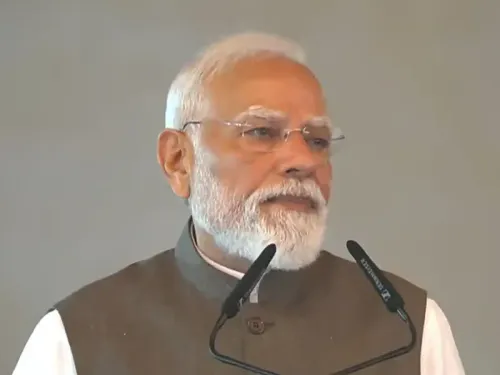
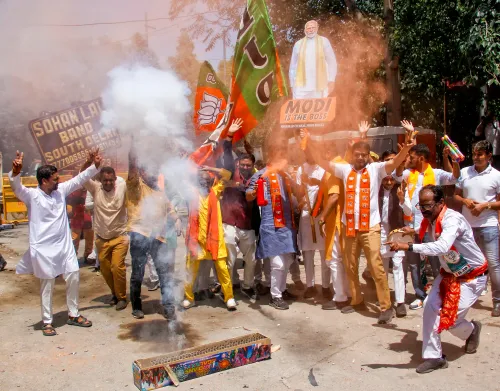
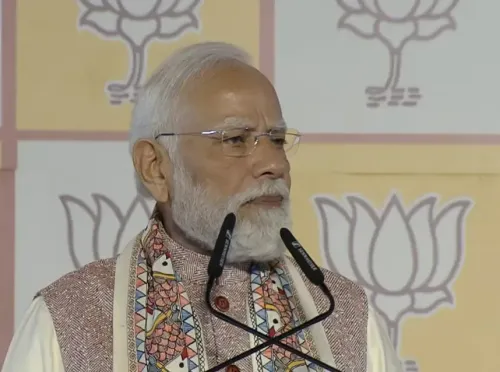
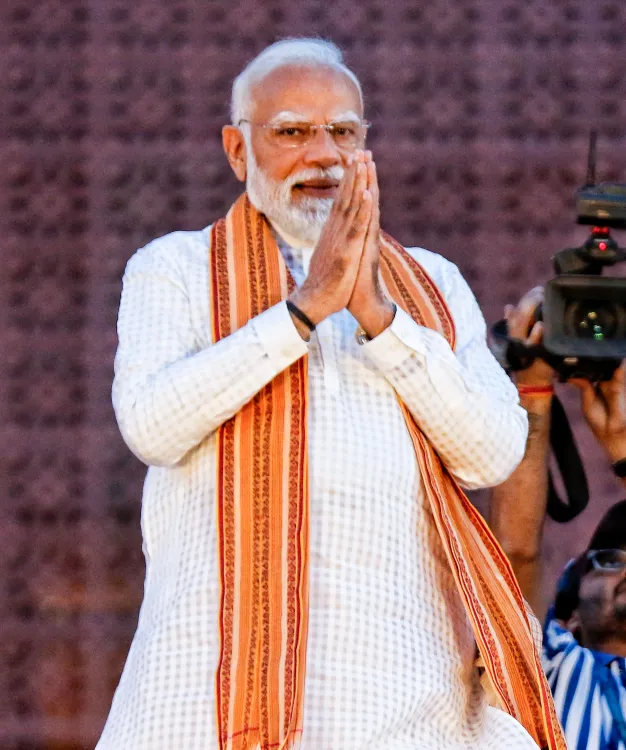
Prime Minister Narendra Modi on Monday invoked the legacy of Dr Shyama Prasad Mukherjee during a victory speech at the BJP party headquarters in New Delhi, as the party celebrated a strong performance across five Assembly and UT elections, including an unprecedented mandate in West Bengal. Modi said the Bharatiya Janata Party (BJP) founder's soul would have found peace at the Bengal result.
Modi's Tribute to Shyama Prasad Mukherjee
Addressing party workers and leaders, Prime Minister Modi recalled that Dr Shyama Prasad Mukherjee had devoted his life to keeping Bengal as an integral part of India, placing the nation above personal interests. "Dr Syama Prasad Mukherjee's soul would have found so much peace today," Modi said.
He noted that in 1951, Mukherjee founded the Bharatiya Jan Sangh — the precursor to the BJP — with the message that every worker must "live for the country and die for the country." Modi added that Mukherjee's own life exemplified the principle that those who follow the mantra of nation above all do not hesitate to give their lives.
Bengal's 'Shadow of Fear' and a New Political Culture
Modi stated that Bengal had chosen to free itself from what he described as the "shadow of fear" under previous regimes and had reposed faith in the BJP by giving it an opportunity to serve the state. He promised to deliver the BJP model of good governance to fulfil people's dreams and aspirations.
Notably, the Prime Minister made a pointed reference to electoral violence that has historically marked Bengal polls. He highlighted that this election was different, claiming it was the first time no one lost their life during voting in the state. "For the first time, democracy won, not fear!" he declared.
Modi made a fervent appeal to all parties in Bengal to give precedence to peace over violence and bring about a paradigm shift in the state's political culture, which he said had long been dominated by fear, violence, and intimidation. He called for a political atmosphere of "hope and future" rather than violence and revenge.
BJP's National Footprint
The Prime Minister also underscored the party's expanding national presence, stating that BJP-led NDA governments are currently in power in more than 20 states. He attributed this to people's growing faith in the party's commitment to public service and good governance.
"Our mantra is — Citizen is God. We are dedicated to serving the people, and therefore, the people are placing more and more trust in the BJP. The people are clearly seeing that where there is the BJP, there is good governance. Where there is BJP, there is development," Modi said.
What Comes Next
With the Bengal mandate now secured, the BJP faces the immediate task of translating its electoral promise into governance, particularly on law and order and development delivery — areas that formed the core of its campaign pitch. The coming weeks will test whether the party can sustain the political momentum it has built across the country.
Point of View
The BJP is asserting a historical claim to Bengal that predates the party itself. The claim that this was the first violence-free Bengal election is significant but requires independent verification; past elections have seen post-poll violence that goes largely unreported during voting day. The broader message — that the BJP's 20-state footprint reflects a governance dividend — will face its sharpest test in Bengal, where translating electoral victory into administrative credibility is a different challenge entirely.
NationPress
1 Oct 2026
Frequently Asked Questions
What did PM Modi say about Shyama Prasad Mukherjee in his Bengal victory speech?
PM Modi said Dr Shyama Prasad Mukherjee's soul would have found peace at the BJP's Bengal result. He recalled that Mukherjee fought to keep Bengal as part of India and founded the Bharatiya Jan Sangh in 1951 with the message of putting the nation above all else.
What was the BJP's performance in the five Assembly and UT elections?
The BJP recorded what PM Modi described as a stupendous show across five Assembly and UT elections, with an unprecedented mandate in West Bengal being the centrepiece of the victory celebrations at the party headquarters.
What did PM Modi say about electoral violence in Bengal?
Modi stated that for the first time, no one lost their life during voting in Bengal, calling it a historic shift. He appealed to all parties to abandon the culture of fear, violence, and intimidation and build a political atmosphere of hope and future.
How many states does the BJP-led NDA govern currently?
According to PM Modi's victory speech, BJP-led NDA governments are in power in more than 20 states across India, which he cited as evidence of growing public trust in the party's governance model.
Who was Shyama Prasad Mukherjee and why is he significant to the BJP?
Dr Shyama Prasad Mukherjee was the founder of the Bharatiya Jan Sangh in 1951, which is the ideological and organisational precursor to the BJP. He is revered within the party for his advocacy of national unity and his fight to keep Bengal as part of India.