PM Modi Launches Free Online Coaching for Middle-Class Students
Synopsis
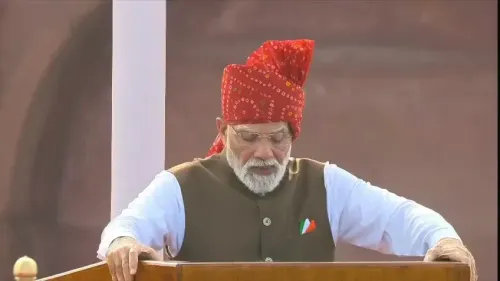
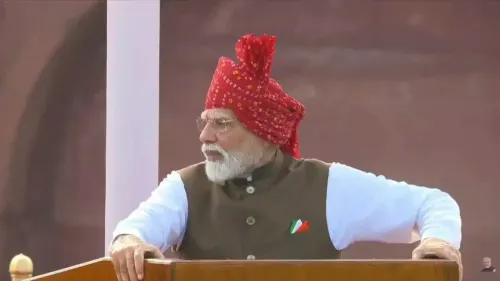
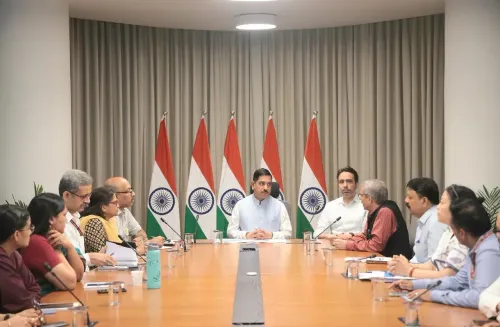
On Independence Day 2026, PM Narendra Modi announced a free, fully digital national coaching platform for middle-class students burdened by expensive private tuition. Union Minister Pralhad Joshi amplified the pledge in English and Kannada, positioning it as a nationwide accessibility push aligned with the NEP 2020 vision.
Key Takeaways
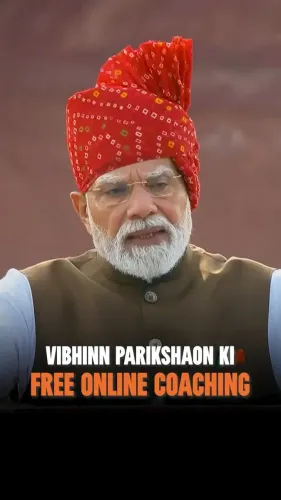
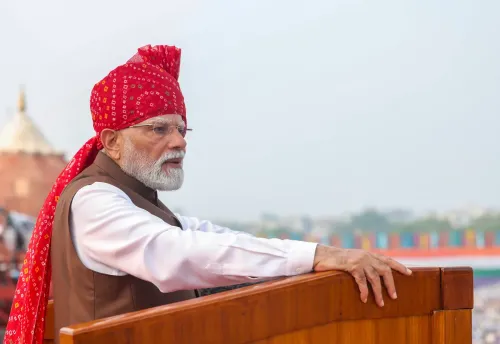
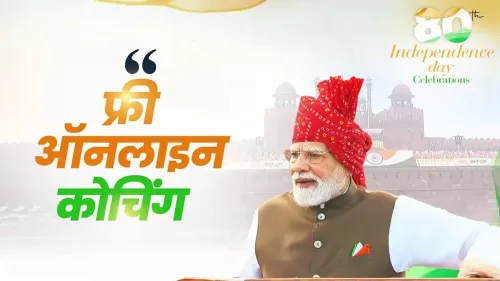
PM Narendra Modi announced a free online coaching platform on Independence Day, August 15, 2026 .
The initiative explicitly targets middle-class families struggling with the high cost of private coaching for competitive examinations.
The platform is described as completely digital and accessible to students across the country .
Union Minister Pralhad Joshi amplified the announcement bilingually in English and Kannada , signalling outreach to non-Hindi-speaking states.
The move aligns with the National Education Policy 2020 's mandate to expand open digital learning and reduce regional disparities.
Specific scheme name, implementing ministry, subjects covered, and portal details are yet to be announced.
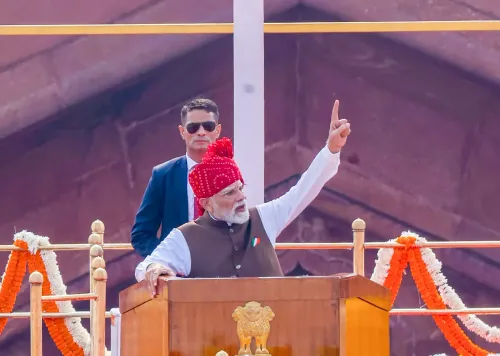
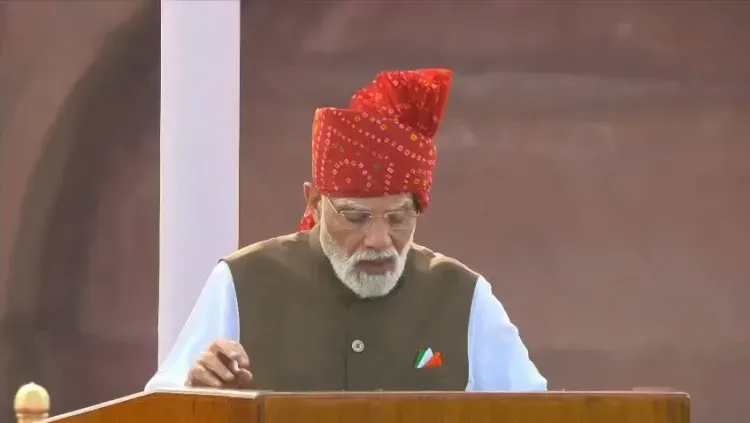
On Independence Day, August 15, 2026, Prime Minister Narendra Modi announced a fully free, digital coaching platform aimed at easing the financial burden that expensive private tuition places on middle-class families across India — a pledge that lands squarely on the day the nation marks 79 years of independence. Union Minister Pralhad Joshi, amplifying the announcement in both English and Kannada, called the initiative a direct answer to one of the most persistent anxieties of India's aspiring middle class.
Quoting the Prime Minister, Joshi wrote: 'For the children of our middle-class families, the burden of expensive coaching can be a major challenge. To ease this burden, we are starting free online coaching that is completely digital and accessible to students across the country.' The Kannada portion of his post carries the same message verbatim — a deliberate bilingual outreach that signals the initiative is meant to reach every corner of the country, including non-Hindi-speaking states.
The Coaching-Cost Crisis Driving the Announcement
Private coaching for competitive entrance examinations — engineering, medicine, civil services — has grown into a multi-billion-rupee industry, with annual fees at top institutes running into six figures and beyond. For families straddling the middle-income bracket, the choice between enrolling a child in a reputed coaching centre and managing household finances has become a defining stress point. The announcement directly names this demographic: not the poor, who are covered by existing welfare schemes, but the middle class, who typically earn too much to qualify for subsidies yet too little to absorb steep coaching fees without sacrifice.
India's National Education Policy 2020 had already flagged the need to expand digital learning infrastructure and open platforms to reduce regional and economic disparities in access to quality education. This announcement appears to operationalise that direction, channelling it specifically toward the high-stakes, high-cost coaching segment that the NEP framework had not yet addressed with a dedicated free platform.
Independence Day as a Policy Stage
August 15 has long served as a favoured launchpad for welfare-oriented digital schemes by successive Indian governments. Announcements made from the Red Fort or amplified through official channels on Independence Day carry symbolic weight — they are framed as gifts to the nation and tend to receive immediate national media traction. The timing of this coaching initiative follows that tradition, positioning it as a flagship welfare commitment at the highest-visibility moment in the political calendar.
The rollout details — which ministry will implement the platform, which subjects and examinations it will cover, and how it will integrate with existing digital education portals — remain to be specified. What to watch: whether the platform is built into existing Ministry of Education infrastructure or launched as a standalone portal, and how state governments, particularly those with large vernacular-medium student populations, are brought into implementation.
For millions of families watching their children navigate the brutal funnel of India's entrance-exam economy, the promise of free, nationally accessible digital coaching is not a small gesture — it is a direct bid to democratise a system that has, for decades, rewarded those who could afford to pay.
Point of View
The government is staking a claim in the high-anxiety world of competitive-exam preparation, where private coaching institutes have operated as de facto gatekeepers to upward mobility. The bilingual delivery by Joshi — English and Kannada — signals an intent to frame this as a pan-India, not Hindi-belt, initiative. The real test will be in execution: whether the platform delivers curriculum depth and faculty quality comparable to paid institutes, or remains a nominal gesture.
NationPress
29 Sept 2026
Frequently Asked Questions
What did PM Modi announce on Independence Day 2026 for students?
PM Modi announced a free, fully digital online coaching platform accessible to students across India, specifically aimed at reducing the financial burden of expensive private coaching on middle-class families.
Which students will benefit from the free online coaching announced by PM Modi?
The initiative targets students from middle-class families across India who struggle to afford private coaching for competitive entrance examinations. It is designed to be digitally accessible nationwide.
What is the name of the free coaching platform launched by the government?
The specific name of the platform has not been announced yet. Details including the scheme name, implementing ministry, and subjects covered are yet to be officially disclosed.
How does this free coaching initiative relate to India's National Education Policy?
The National Education Policy 2020 called for expanding digital education infrastructure and open learning platforms to reduce regional and economic disparities — this announcement operationalises that direction for the coaching segment.
Why did Pralhad Joshi post about PM Modi's education announcement in Kannada?
Joshi, a senior BJP leader from Karnataka, posted bilingually in English and Kannada to signal that the initiative is meant for students across all linguistic regions, not just Hindi-speaking states.