PM Modi Meets Alstom Chief, Backs India Manufacturing Push
Synopsis
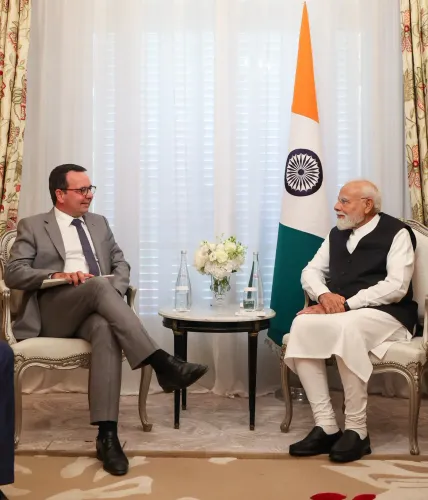
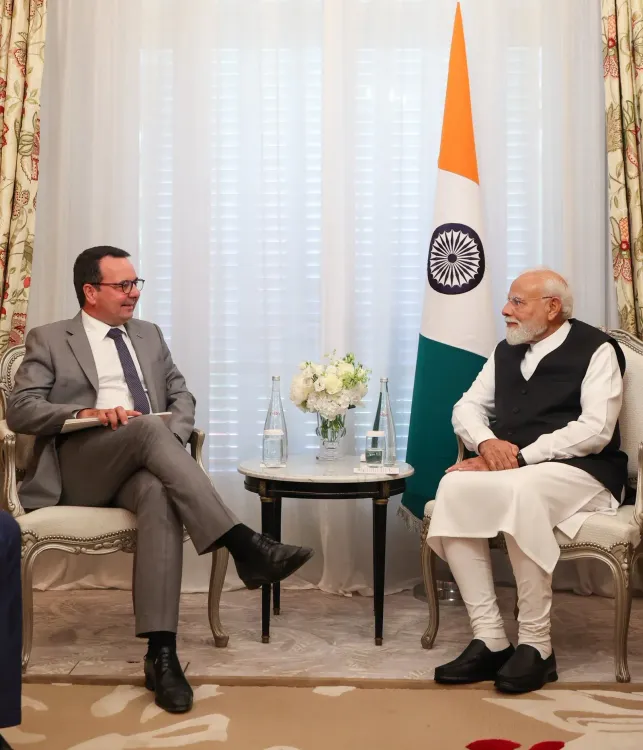
Prime Minister Narendra Modi held productive talks with Alstom Director General Martin Sion on 18 June 2026, commending the French rail giant's manufacturing presence in India and extending an open invitation for global firms to collaborate with India's youth under the Make in India framework.
Key Takeaways
PM Modi met Alstom Director General Martin Sion on 18 June 2026 and described the exchange as productive.
Alstom , a French multinational in rail transport, has a long-standing presence in India including metro projects and locomotive manufacturing.
PM Modi praised Alstom's faith in India's growth trajectory and its efforts to produce in India for global markets.
The engagement aligns with the Make in India initiative launched in 2014 to attract FDI and build domestic manufacturing capacity.
PM Modi extended an open invitation for the world to 'collaborate with India's youth,' highlighting the country's demographic dividend as a strategic asset.
Follow-up investment commitments and outcomes from upcoming India-France bilateral forums are being closely watched.
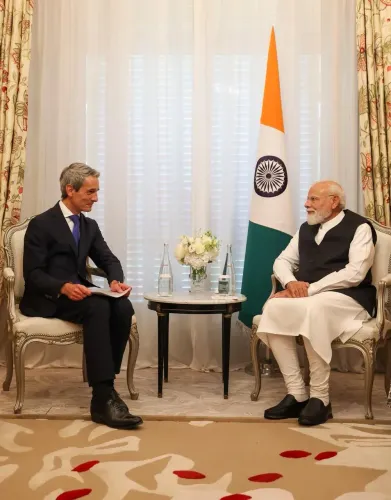
Prime Minister Narendra Modi on Thursday, 18 June 2026 held productive discussions with Alstom Director General Martin Sion, praising the French rail giant's commitment to manufacturing in India and signalling that opportunities for collaboration will only grow in the period ahead.
Writing in French on X, PM Modi said the talks were productive and noted that 'Alstom a une présence forte en Inde' ('Alstom has a strong presence in India'). He commended the company's faith in India's growth trajectory and its efforts to 'produce in India and for the world,' closing with an open invitation: 'India invites the world to come and collaborate with its youth.'
Context
Alstom is a French multinational specialising in rail transport systems and equipment, with a long-standing footprint in India spanning metro projects and locomotive manufacturing. The company's engagement with India has deepened over successive years as the country scaled up its urban transit and freight rail ambitions. PM Modi's choice to communicate in French signals the diplomatic register of the engagement, underscoring the strategic dimension of India-France economic ties.
Policy Backdrop
The meeting sits squarely within the Make in India framework, the flagship manufacturing initiative launched in 2014 to attract foreign direct investment and build domestic production capacity across sectors including railways. Successive governments have signed technology and investment agreements with France in the rail sector dating back to the 2010s, complementing a broader strategic partnership between the two countries. PM Modi's emphasis on producing 'in India and for the world' echoes the export-orientation that has become central to the initiative's second phase.
Stakeholders and Impact
The primary beneficiaries of deeper Alstom investment would be India's railway manufacturing ecosystem — component suppliers, skilled workers, and engineering graduates entering a sector that is expanding rapidly. PM Modi's specific reference to India's youth as a collaborative asset reflects the country's demographic dividend messaging, positioning a large working-age population as an attraction for global firms seeking to localise supply chains. Urban commuters and freight operators stand to gain if deeper localisation accelerates delivery timelines and reduces costs for rolling stock and signalling systems.
What's Next
Attention will now turn to whether the discussions translate into formal investment commitments or expanded manufacturing agreements by Alstom in Indian rail projects. Upcoming India-France bilateral economic forums or CEO-level roundtables could serve as platforms for any announcements. The government's sustained outreach to global infrastructure firms suggests further high-profile engagements are likely as India accelerates its rail modernisation programme.
Point of View
Reinforcing India-France strategic ties at a moment when both countries are deepening defence and infrastructure cooperation. The meeting with Alstom fits a clear pattern of high-visibility CEO engagements designed to sustain FDI momentum under the Make in India banner. By foregrounding India's youth as a collaborative asset, Modi is also reframing demographic pressure as economic opportunity — a consistent thread in his government's outward-facing economic messaging. The absence of specific deal announcements keeps expectations calibrated, but the public endorsement of Alstom's India commitment will likely be cited in future investment pitches.
NationPress
19 Sept 2026
Frequently Asked Questions
Why did PM Modi meet Alstom's Director General?
PM Modi met Alstom Director General Martin Sion on 18 June 2026 for what he described as productive discussions on Alstom's manufacturing presence in India and future collaboration opportunities.
What is Alstom's presence in India?
Alstom is a French multinational specialising in rail transport systems and has a long-standing footprint in India, including involvement in metro projects and locomotive manufacturing.
What is Make in India and how does this meeting relate to it?
Make in India is a flagship government initiative launched in 2014 to attract foreign investment and build domestic manufacturing capacity. PM Modi's praise for Alstom producing 'in India and for the world' directly echoes the initiative's export-oriented goals.
What did PM Modi say about India's youth in the Alstom post?
PM Modi closed his post by stating that 'India invites the world to come and collaborate with its youth,' positioning India's large working-age population as a key attraction for global manufacturing partners.
What should we watch for after PM Modi's meeting with Alstom?
Analysts will watch for formal investment commitments or expanded manufacturing agreements from Alstom, as well as any announcements at upcoming India-France bilateral economic forums or CEO-level roundtables.