PM Modi Meets Alstom CEO Martin Sion, Backs Make in India Push
Synopsis
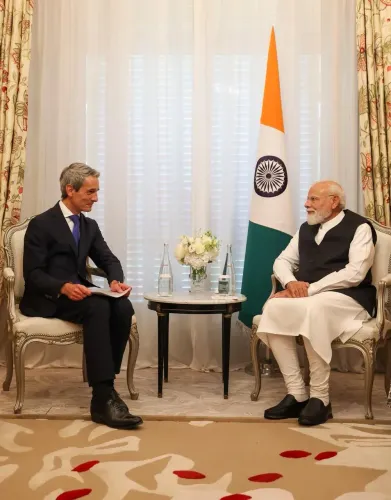
Prime Minister Narendra Modi met Alstom CEO Martin Sion on 18 June 2026, lauding the French rail giant's manufacturing presence in India and its alignment with the Make in India vision, signalling expanded opportunities ahead for one of the world's largest rail markets.
Key Takeaways
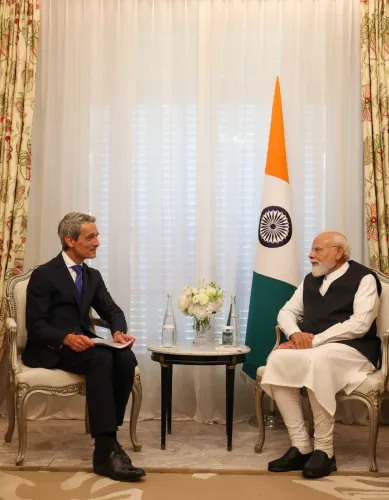
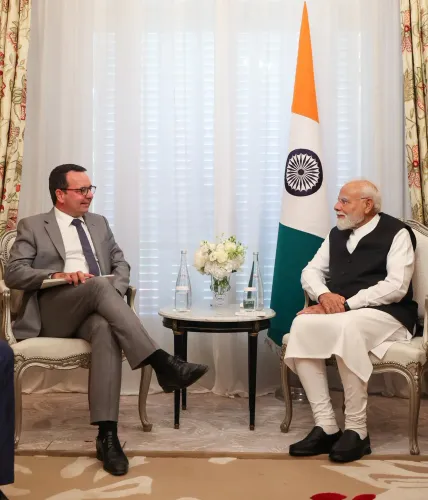
PM Narendra Modi held a meeting with Alstom CEO Martin Sion on 18 June 2026 , calling it 'productive.' Alstom , a French multinational, already has an established presence in India's rail and metro sectors.
The Prime Minister praised Alstom's commitment to 'making in India and making for the world.' The engagement aligns with the Make in India initiative launched in September 2014 to attract FDI and build export-ready manufacturing capacity.
PM Modi signalled that opportunities for Alstom in India are set to grow, pointing to further collaboration ahead.
Possible follow-up outcomes include new manufacturing investments, metro or rail orders, and India-France bilateral economic dialogues.
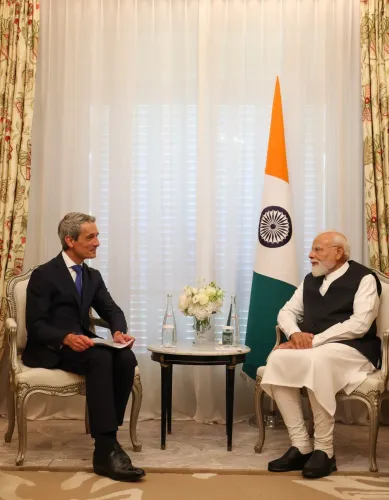
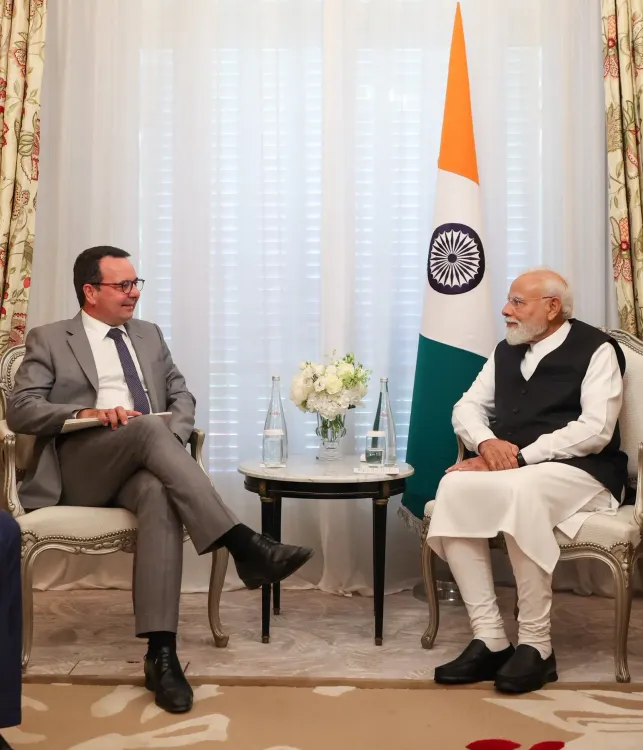
Prime Minister Narendra Modi met with Alstom Chief Executive Officer Martin Sion on Thursday, 18 June 2026, describing the interaction as productive and underscoring the French rail giant's deepening commitment to manufacturing in India for global markets.
Sharing the meeting on social media, PM Modi noted that Alstom 'already has a strong presence in India' and called the company's belief in India's growth story and its 'making in India and making for the world' efforts 'commendable.' The post concluded with an open-ended signal that 'the opportunities are going to get' larger — a phrase widely read as a forward-looking endorsement of expanded collaboration.
Context
Alstom is a French multinational with a long-standing footprint in India's rail and metro sectors. The company has been involved in supplying rolling stock, signalling systems and traction equipment across several urban metro projects and mainline railway corridors in the country. Martin Sion, the company's global CEO, engaging directly with the Prime Minister signals that the relationship is being elevated beyond routine commercial dealings.
The meeting fits into a broader pattern of high-level outreach by the Indian government to global manufacturing and infrastructure firms, particularly those with technology-transfer potential in capital-intensive sectors such as rail, energy and defence.
Policy Backdrop
The Make in India initiative, launched by PM Modi in September 2014, was designed to position India as a preferred global manufacturing destination, attract foreign direct investment and reduce the country's dependence on imports in strategic sectors. Rail equipment manufacturing has been a key target vertical under this policy framework.
India has systematically combined policy incentives — including production-linked incentive schemes and localisation mandates for railway procurement — with direct diplomatic and commercial engagement with firms from France, Japan and other partner nations. The objective is to secure technology transfer while building domestic supply chains that can eventually serve export markets.
Stakeholders and Impact
The primary beneficiaries of deeper Alstom engagement in India include the domestic railway equipment manufacturing ecosystem, workers in associated supply chains, and Indian commuters who stand to gain from faster deployment of modern rolling stock and signalling infrastructure. For Alstom, India represents one of the world's largest and fastest-growing rail markets, offering scale that few other geographies can match.
Foreign direct investors and institutional players tracking India's infrastructure build-out will read the Prime Minister's public endorsement of Alstom's local manufacturing ambitions as a positive signal for the broader investment climate in the sector.
What's Next
Observers will watch for follow-up announcements on possible Alstom project expansions, new manufacturing facility investments or fresh metro and mainline rail orders in India. The meeting could also feed into upcoming India-France economic dialogue frameworks, where bilateral manufacturing and infrastructure cooperation has been a recurring agenda item.
With India's railway modernisation programme running at scale and urban metro networks expanding to dozens of cities, the pipeline for rail technology partnerships remains substantial — and PM Modi's signal that 'opportunities are going to get' larger suggests New Delhi intends to keep that door wide open.
Point of View
' the Prime Minister frames India not merely as a consumer market but as a global production hub — a narrative central to the Make in India and Atmanirbhar Bharat policy arc. The meeting with a French rail major also carries diplomatic weight, reinforcing the India-France strategic partnership at a time when both nations are deepening defence and technology ties. The deliberately open-ended conclusion of his post — 'opportunities are going to get' larger — functions as a public investment signal, calibrated to reach boardrooms as much as domestic audiences.
NationPress
17 Sept 2026
Frequently Asked Questions
Why did PM Modi meet Alstom CEO Martin Sion?
PM Modi met Alstom CEO Martin Sion on 18 June 2026 for a productive interaction focused on Alstom's manufacturing presence in India and its alignment with the Make in India initiative, signalling the government's intent to deepen collaboration with the French rail company.
What does Alstom do in India?
Alstom is a French multinational with a long-standing presence in India's rail and metro sectors, supplying rolling stock, signalling systems and traction equipment for urban metro projects and mainline railway corridors across the country.
What is the Make in India scheme?
Make in India is a Central government initiative launched by PM Modi in September 2014 to attract foreign direct investment, promote domestic manufacturing, reduce import dependence and position India as a global production hub for export markets.
What could come out of the Modi-Alstom CEO meeting?
Possible outcomes include announcements on Alstom project expansions, new manufacturing facility investments in India, fresh metro or mainline rail orders, and references to the meeting in upcoming India-France bilateral economic dialogues.