PM Modi meets Saint-Gobain CEO, eyes wider India footprint
Synopsis
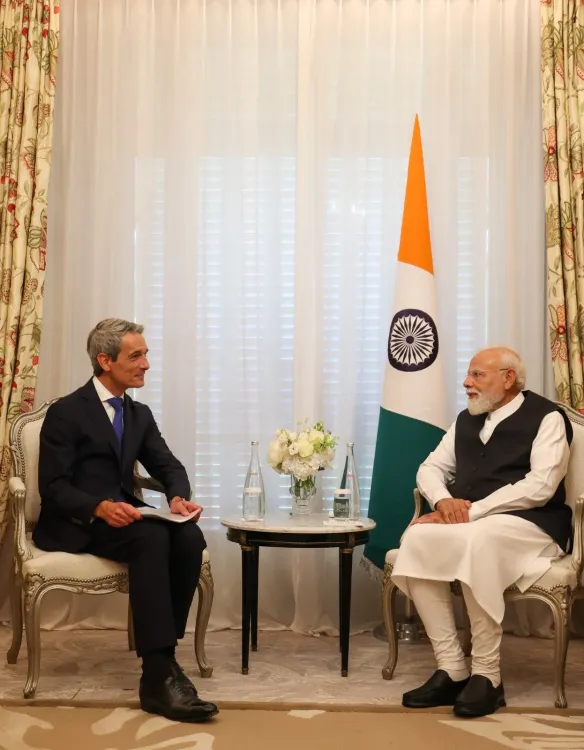
Prime Minister Narendra Modi met Saint-Gobain Chairman and CEO Benoit Bazin on 18 June 2026, discussing plans to deepen the French construction-materials giant's presence in India through infrastructure partnerships, innovation and circular-economy initiatives, aligned with Make in India and the Smart Cities Mission.
Key Takeaways
PM Modi met Benoit Bazin , Chairman and CEO of Saint-Gobain , on 18 June 2026 .
Talks centred on expanding Saint-Gobain's manufacturing and business footprint across India .
Innovation and the circular economy were identified as key areas for future partnership.
Saint-Gobain has operated in India since the 1990s , supplying glass, insulation and construction materials.
The engagement aligns with the Make in India initiative and the Smart Cities Mission , both aimed at drawing foreign investment into infrastructure and manufacturing.
Specific investment announcements or technology tie-ups had not been formally disclosed at the time of the meeting.
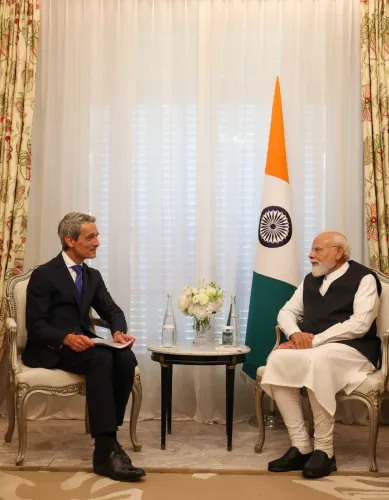
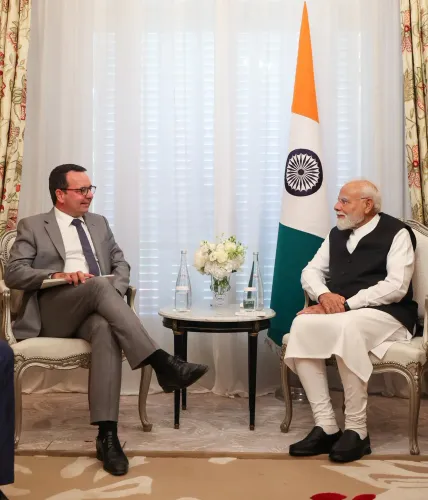
Prime Minister Narendra Modi on Thursday, 18 June 2026 met Benoit Bazin, Chairman and CEO of French construction-materials giant Saint-Gobain, and discussed expanding the company's presence in India alongside partnerships in innovation and the circular economy.
Context
Sharing the interaction on social media, PM Modi said he was 'glad to interact with Mr. Benoit Bazin of Saint-Gobain,' noting that 'India is witnessing an unprecedented transformation in infrastructure and urban development.' The two sides discussed ways to 'further expand Saint-Gobain's footprint in India and partner in innovation, circular economy and more.'
Saint-Gobain is a French multinational founded over three centuries ago and is today one of the world's largest producers of construction materials, glass, insulation and sustainable building solutions. The company has maintained manufacturing and research-and-development operations in India since the 1990s, supplying products to housing, transport and urban infrastructure projects across the country.
Policy Backdrop
The meeting sits within a well-established policy framework designed to draw foreign capital and technology into India's construction and manufacturing sectors. The Make in India initiative, launched in 2014, specifically targeted foreign direct investment in manufacturing, including building materials. The Smart Cities Mission, launched in 2015, has since driven demand for energy-efficient glass, insulation and sustainable construction products — precisely the segments where Saint-Gobain operates.
Successive Indian governments have prioritised European technology partnerships to meet ambitious housing and transport targets. French firms have been longstanding contributors in glass and insulation, and their product portfolios align closely with India's emerging net-zero and circular-economy commitments.
Stakeholders and Impact
A deeper Saint-Gobain presence in India would benefit a broad ecosystem: construction material manufacturers, urban local bodies executing smart-city projects, and the wider supply chain of contractors and developers working on government-backed infrastructure programmes. Circular-economy partnerships could also feed into India's stated sustainability goals, including waste reduction in the construction sector.
Such high-level corporate engagements between PM Modi and European business leaders also carry diplomatic weight, complementing bilateral economic dialogues between India and France at the government level.
What's Next
The specific outcomes of the 18 June 2026 meeting — including any fresh investment figures, technology tie-ups or manufacturing expansion plans — have not been formally announced. Observers will watch for Saint-Gobain entries in upcoming Indian infrastructure project tenders and state-level urban development plans as a signal of how the engagement translates into on-ground commitments.
As India accelerates its infrastructure build-out, meetings of this kind signal that the government continues to position the country as a preferred destination for European industrial investment, with the circular economy emerging as a new axis of partnership alongside traditional manufacturing and supply-chain integration.
Point of View
Where bilateral business engagement is used to reinforce India's infrastructure-investment narrative on the global stage. The explicit mention of the circular economy signals a broadening of the Make in India pitch beyond pure manufacturing scale toward sustainability credentials — a shift that resonates with European investors. France has been a strategic partner in India's defence and civil-nuclear space; deepening ties in construction materials adds an industrial dimension to that relationship. Whether this interaction converts into measurable investment will be the true test of its policy value.
NationPress
17 Sept 2026
Frequently Asked Questions
Who is Benoit Bazin and why did PM Modi meet him?
Benoit Bazin is the Chairman and CEO of Saint-Gobain, a French multinational specialising in construction materials and sustainable building solutions. PM Modi met him on 18 June 2026 to discuss expanding Saint-Gobain's presence in India and exploring partnerships in innovation and the circular economy.
What is Saint-Gobain's existing presence in India?
Saint-Gobain has had manufacturing and research-and-development operations in India since the 1990s, producing glass, insulation and construction products used in housing, transport and urban infrastructure projects.
How does this meeting relate to Make in India?
The Make in India initiative, launched in 2014, aims to attract foreign direct investment into manufacturing sectors including construction materials. Saint-Gobain's potential expansion directly aligns with this policy goal.
What is the circular economy angle in PM Modi's meeting with Saint-Gobain?
The circular economy refers to reducing waste and reusing materials in production cycles. Saint-Gobain's product lines in insulation and sustainable construction align with India's emerging net-zero and waste-reduction commitments, making it a natural area for partnership.
What outcomes are expected from the PM Modi and Saint-Gobain meeting?
No specific investment figures or formal agreements were announced at the time of the meeting. Analysts will watch for Saint-Gobain bids in Indian infrastructure tenders and state urban-development projects as indicators of follow-through.