PM Modi Invites World to Design and Develop in India
Synopsis
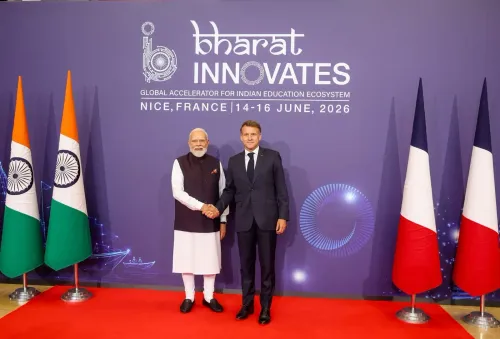
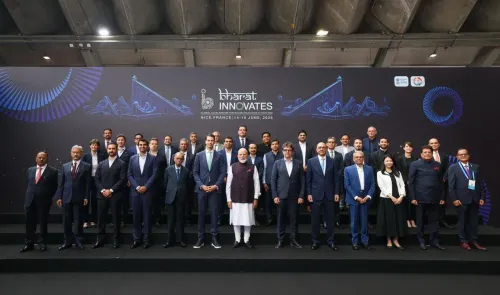
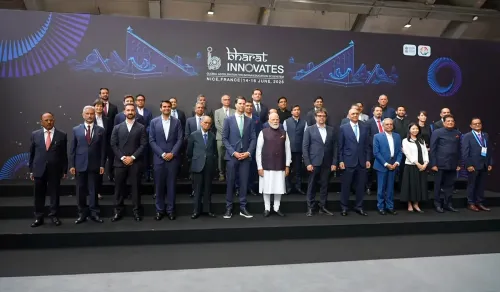
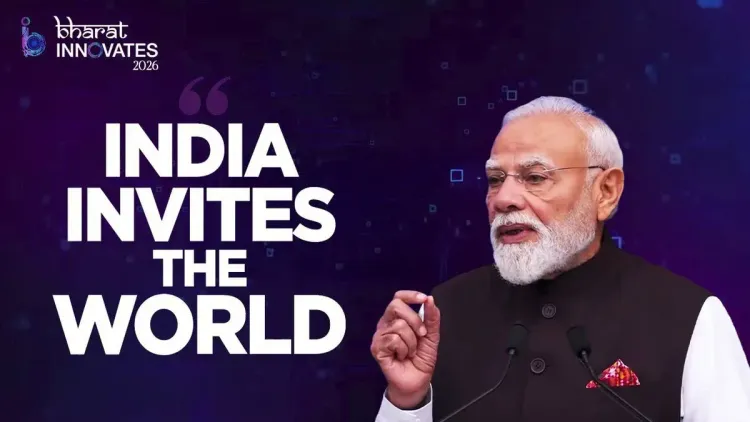
Prime Minister Narendra Modi on 14 June 2026 called on global companies and innovators to come to India, design, develop, and build solutions for the world — tagging @BharatInnov2026 in a post that extends India's decade-long pitch as a global technology and innovation destination.
Key Takeaways
Prime Minister Narendra Modi posted a direct invitation on 14 June 2026 urging global innovators to 'Come to India.
Develop in India.' The post tagged @BharatInnov2026 , pointing to an innovation event or platform linked to the message.
The call continues a policy arc stretching from Make in India (2014) and Startup India (2016) to Digital India (2015) and Atmanirbhar Bharat (2020).
The primary audience is global technology firms, international startups, and foreign researchers considering India as a base for R&D and product development.
Details of BharatInnov2026 — its organisers, format, and accompanying policy incentives — are yet to be officially detailed.
Indian tech hubs including Bengaluru , Hyderabad , and Pune stand to benefit if the initiative translates into concrete foreign investment and R&D policy measures.
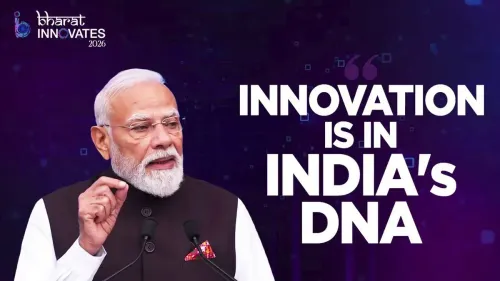
Prime Minister Narendra Modi on Sunday, 14 June 2026 issued a direct invitation to global technology companies, researchers, and innovators to come to India, collaborate with Indian talent, and build solutions for the world — tagging the handle @BharatInnov2026 in a post that also carried a video.
Context
The post, brief but pointed, reads: 'Come to India. Work with us. Design in India. Develop in India. And create solutions for the world.' The message is addressed to the global technology and innovation community, with the @BharatInnov2026 tag signalling a link to what appears to be a forthcoming or ongoing innovation event or platform under that banner.
The accompanying video, shared without a standalone caption, is expected to elaborate on the invitation. The choice of simple, imperative language — directed outward at international audiences — marks a deliberate pitch for foreign collaboration on Indian soil.
Policy Backdrop
Modi has consistently positioned India as a destination for global investment, design, and manufacturing since coming to power in 2014. The Make in India campaign, launched in September 2014, was the first major plank of this strategy, inviting multinationals to set up production and design operations domestically.
The Startup India initiative, announced in January 2016, expanded the focus to entrepreneurship and innovation, while the Digital India programme, rolled out from 2015, sought to build the underlying infrastructure for a knowledge economy. The Atmanirbhar Bharat initiative of 2020 added a self-reliance dimension, but explicitly preserved the outward-facing partnership model — domestic capability combined with global collaboration.
Sunday's post fits squarely within this decade-long arc: rather than simply promoting domestic consumption or import substitution, the government has repeatedly framed India as a node in the global technology supply chain — a place where the world's problems can be solved.
Stakeholders and Impact
The primary audience for the post is global: multinational technology firms weighing where to locate research and development centres, international startups seeking scale, and foreign researchers looking for collaborative ecosystems. India's combination of a large English-speaking engineering workforce, a growing domestic market, and successive government incentives for foreign direct investment makes the pitch credible to this audience.
Indian startups and domestic innovators also stand to benefit if the BharatInnov2026 platform translates into concrete policy incentives — such as eased foreign direct investment norms, R&D tax credits, or fast-tracked intellectual property protections. The tagging of @BharatInnov2026 suggests an organised initiative or event is the vehicle for these conversations, though its full scope remains to be detailed publicly.
For India's existing technology sector — centred on hubs such as Bengaluru, Hyderabad, Pune, and Chennai — a fresh prime ministerial push for inbound collaboration can accelerate deal pipelines and signal policy continuity to investors already present in the country.
What's Next
Attention will now turn to the BharatInnov2026 platform for details: its format, organisers, policy commitments, and which international firms or governments have confirmed participation. Any accompanying announcements on R&D incentives or foreign investment rules will determine whether Sunday's post marks the start of a concrete policy push or a broader branding exercise ahead of 2026.
If the initiative follows the pattern of earlier flagship programmes, formal policy notifications and sector-specific incentive packages are likely to follow in the weeks ahead, giving the invitation a structural foundation beyond the prime ministerial call-out.
Point of View
The government signals that this is not an abstract aspiration but a programme with an institutional vehicle. The framing — 'create solutions for the world' rather than simply 'invest in India' — is a subtle but significant shift, positioning India as a problem-solving partner rather than merely a low-cost production destination. Whether the initiative delivers on that framing will depend on the policy architecture that follows the prime ministerial pitch.
NationPress
13 Sept 2026
Frequently Asked Questions
What did PM Modi post about BharatInnov2026?
Prime Minister Narendra Modi on 14 June 2026 posted a short invitation urging global companies and innovators to come to India, design and develop products here, and create solutions for the world, tagging @BharatInnov2026 in the post.
What is BharatInnov2026?
@BharatInnov2026 is the handle tagged by PM Modi in his 14 June 2026 post, appearing to represent an innovation event or platform; full details of its organisers and scope have not yet been officially confirmed.
How does this post relate to Make in India?
The post extends the Make in India campaign launched in September 2014, which invited foreign firms to manufacture and design in India. Modi's 2026 message broadens that pitch explicitly to include global R&D and technology development.
Which countries or companies is India targeting with this innovation invite?
The post is addressed to the global technology community at large — multinational firms, international startups, and foreign researchers — without naming specific countries or companies.
What policy incentives might follow PM Modi's innovation invite?
Based on the pattern of earlier flagship programmes, analysts expect potential announcements on R&D tax incentives, eased foreign direct investment norms, and intellectual property protections, though no specific measures have been announced yet.